A used RTX 3090 makes more sense in 2026 than it did when it was new
Six years old, yet somehow still embarrassing newer GPUs.
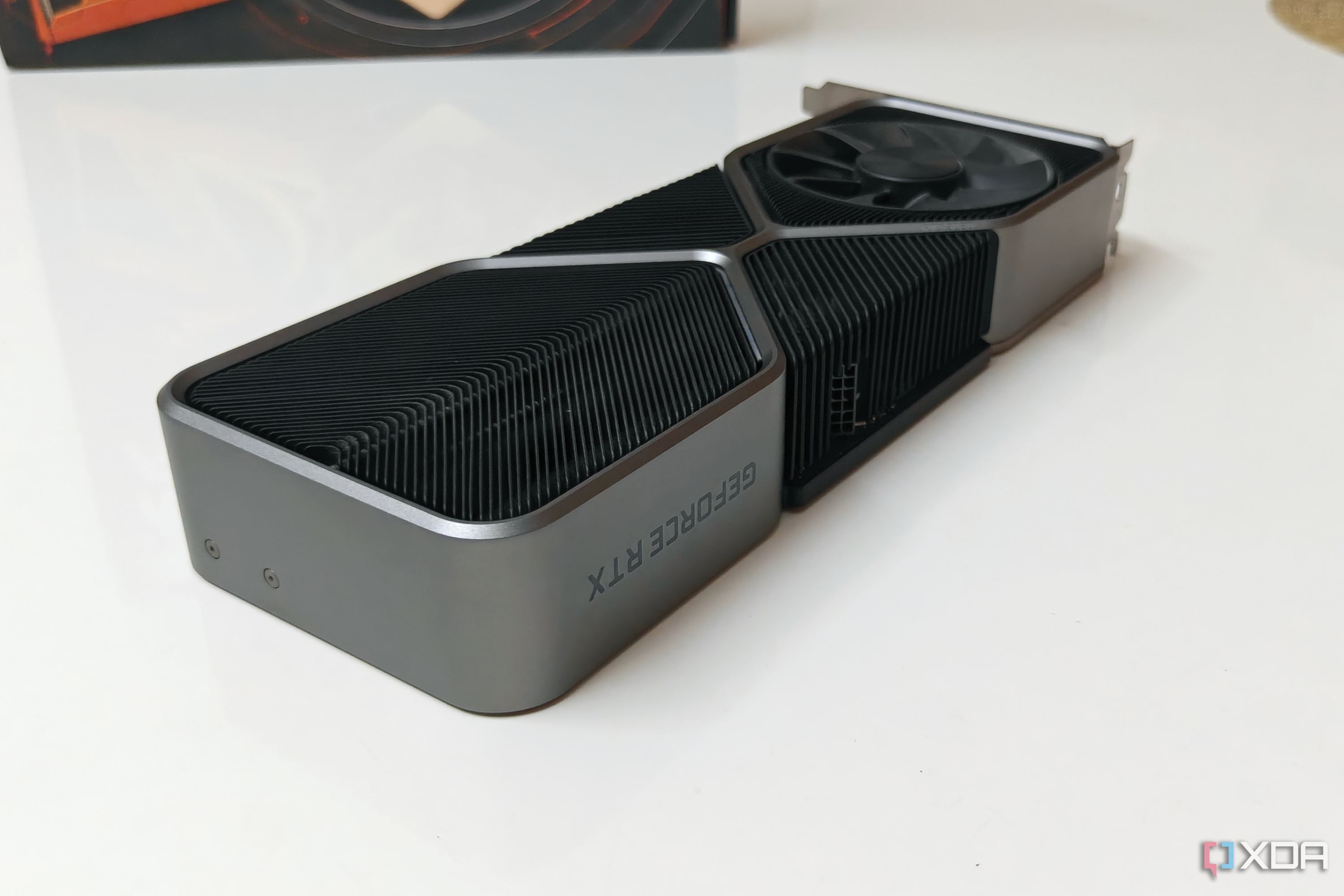
When Nvidia unveiled the RTX 3090, its $1,499 price tag made it a striking demonstration of Ampere's capabilities but a tough sell for anyone seeking value. Six years later, the math has shifted in unexpected ways. Although the RTX 3090 is now old, power-hungry, and lacks some newer GPUs' advanced features, it continues to offer reasons to consider it in 2026.
Its 24GB VRAM, once considered excessive, is now arguably its biggest selling point. Modern AI workloads demand significant VRAM, and 16GB cards now feel cramped. Newer cards may process images or tokens faster, but without sufficient memory, they're less effective. The RTX 3090's large framebuffer provides ample space to experiment with larger quantized LLMs, image-generation models, and other local AI workloads without needing to offload layers or compromise elsewhere.
Despite its age, the RTX 3090's VRAM remains 24GB, a significant advantage over newer models lacking this feature. Modern upscaling technologies like DLSS help the 3090 compete with newer GPUs, turning heavy ray tracing workloads into more manageable 1440p or 4K projects. Recent research into Ampere's AI capabilities has unlocked additional tensor performance, giving the 3090 more computational power for specific tasks.
Despite its six-year-old age, the RTX 3090 remains a compelling option in 2026, offering serious compute, capable ray tracing, and a GPU with ongoing community innovation. Its used market price ranges from $1,600–$2,000, significantly cheaper than newer RTX 90-class cards. While newer GPUs provide more performance, the RTX 3090's 24GB VRAM and other features make it an exceptionally attractive deal at the right price.
Written by urgent.news from XDA Developers's reporting — not their text. Machine-written — may contain errors; check the original before relying on it.