The case of Nvidia and the growing risk of AI and corruption
America’s export controls are fueling corruption.
In 2025, experts from the UN Office of Drugs and Crime and the Organization of American States gathered to discuss whether artificial intelligence (AI) posed the greatest corruption risk in history. However, their concerns were not about AI itself, but about the misuse of AI by those in positions of power, including heads of state, government officials, and tech CEOs.
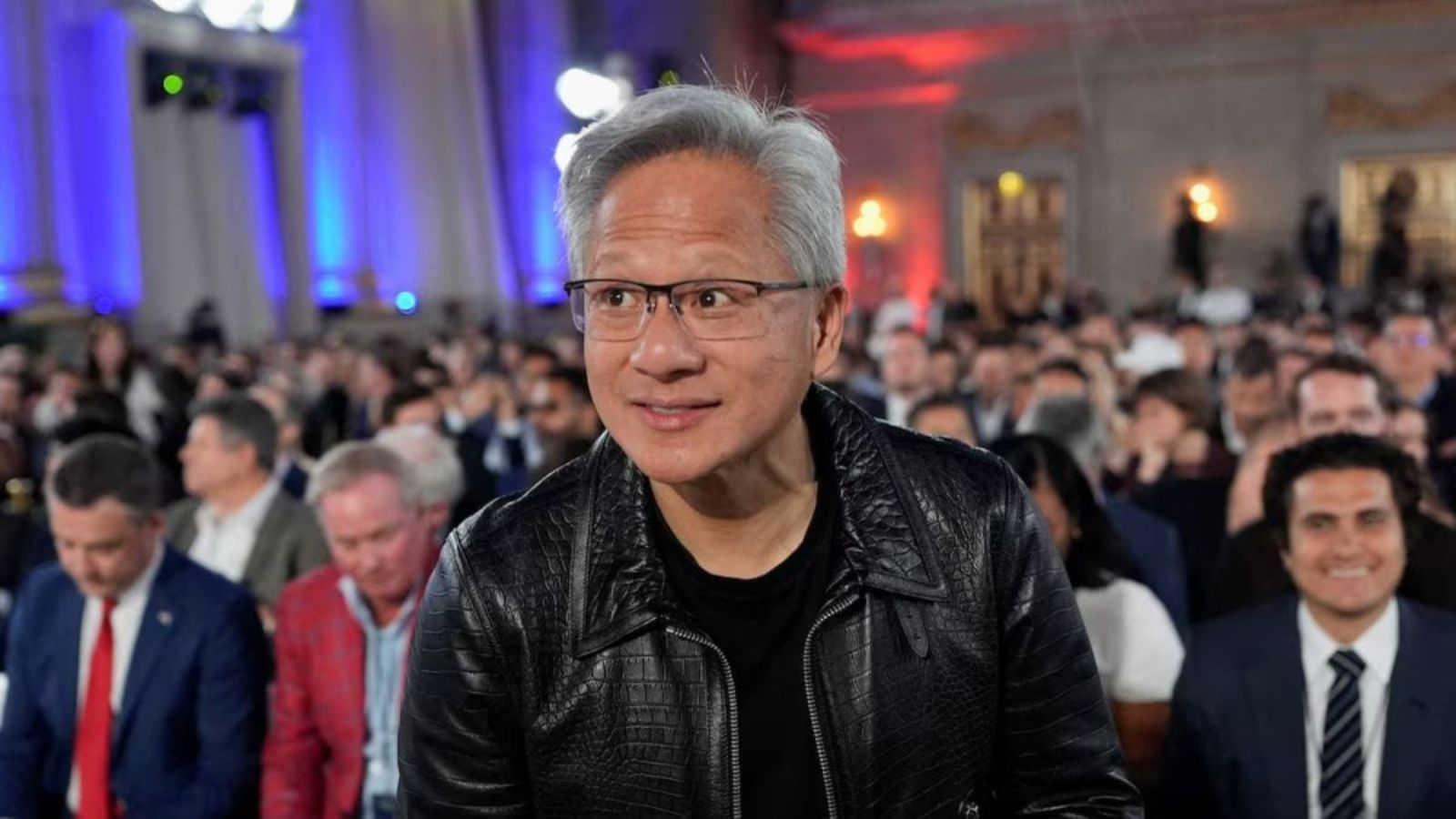
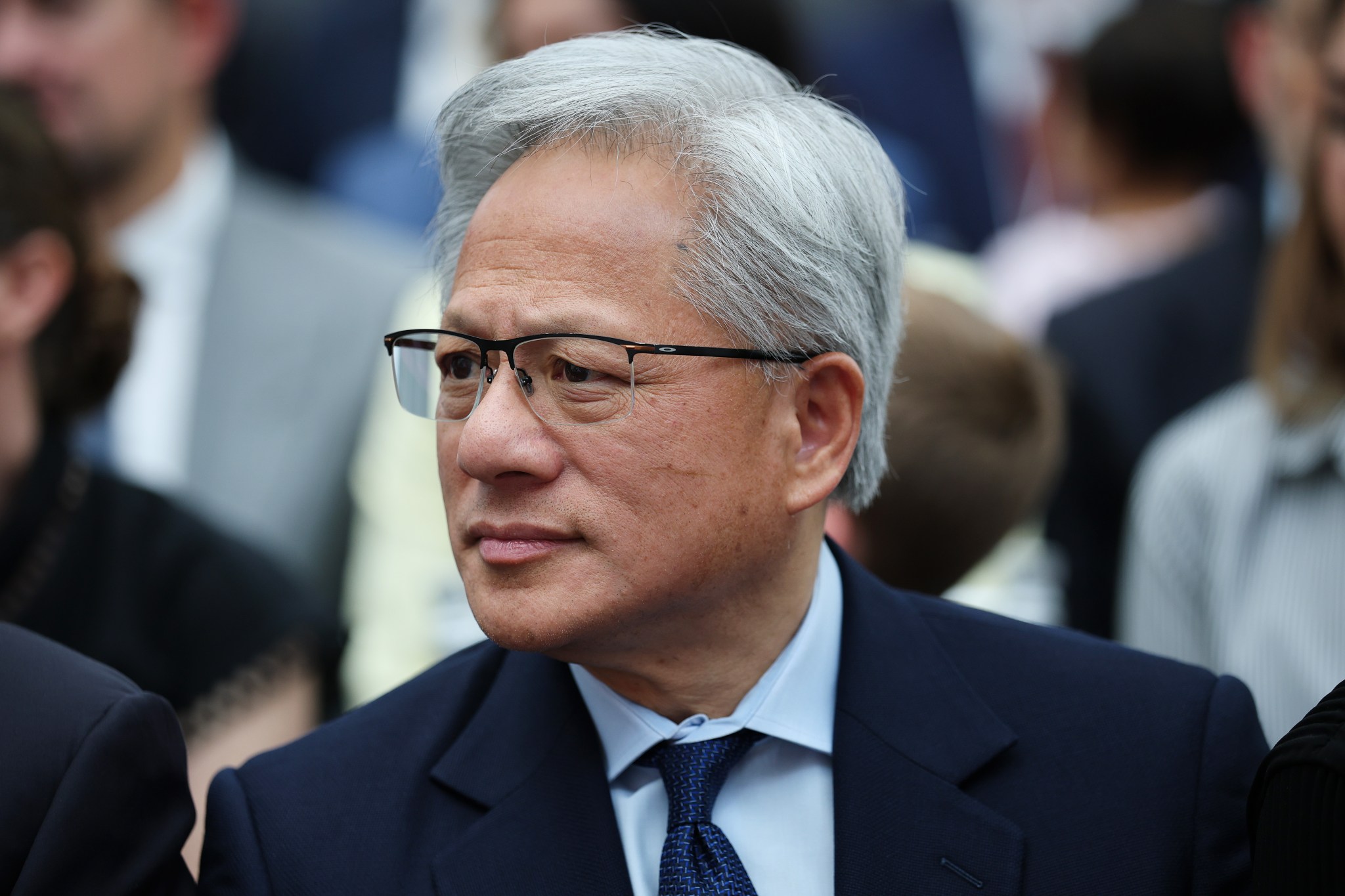
According to Transparency International, corruption is defined as the abuse of entrusted authority for personal gain. The report specifically highlights Nvidia, a leading AI chip manufacturer, as a prime example of corruption in the U.S. Nvidia’s former CEO, Jensen Huang, allegedly influenced the Trump Administration’s AI export policies through flattery and generous donations.
The administration granted Nvidia permission to sell older but still powerful AI chips to China, provided the U.S. government received a cut of the sales. This move contradicts the U.S. Constitution, which prohibits federal export taxes and duties. Moreover, Nvidia’s General Counsel, Tim Teter, allegedly interfered in an investigation into Nvidia’s sales to Chinese and Malaysian entities.
Despite warnings from senior administration officials, no action was taken. The report suggests that export controls, while necessary, are vulnerable to corruption due to their central role in high-value restricted goods, bureaucratic gatekeeping, and complex supply chains. The concentration of power in issuing licenses and clearing shipments allows corrupt officials to solicit bribes.
Additionally, export controls create artificial scarcity and high profits, making some buyers willing to pay exorbitant prices for limited AI services. The report also notes that current export control implementation can harm U.S. economic and technological competitiveness. While there are no easy solutions, the U.S. should collaborate with Western allies to manage technology transfers that may threaten shared security interests.
Written by urgent.news from Fortune's reporting — not their text. Machine-written — may contain errors; check the original before relying on it.