As Jensen Huang leaves Nvidia, what really is the threat to the AI economy?
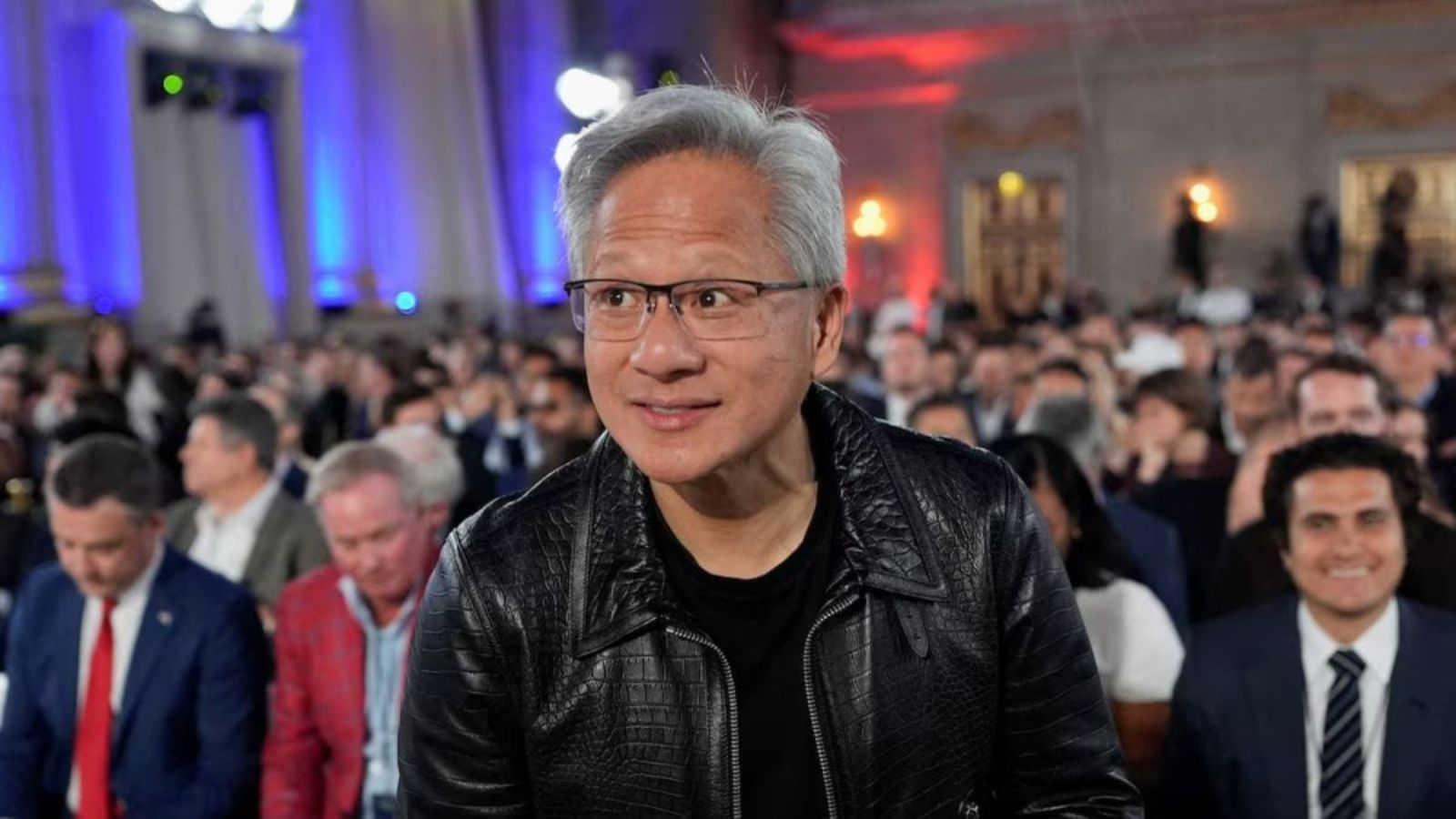
Jensen Huang's leadership at Nvidia has been instrumental in turning artificial intelligence from a scientific concept into a real-world revolution. He pioneered GPU computing, developed CUDA, and fostered an ecosystem of chips, software, developers, and infrastructure. Huang has long championed open-source and open-weight AI models, believing wider accessibility is vital for innovation.
He stresses the importance of openness for safety and security, arguing that a broader community can identify vulnerabilities and create safeguards. While not advocating for broad regulation, Huang stresses that AI companies must be accountable for product safety and adhere to relevant laws.
Huang's departure at Nvidia raises concerns about the sustainability of an ecosystem that has become increasingly interconnected financially. Nvidia's investments in AI developers and financing arrangements position it within several key connections in this ecosystem. Relationships with OpenAI, Oracle, and data-center developers illustrate the flow of capital, computing capacity, and future procurement, creating a complex web of interdependence.
The International Monetary Fund's analysis highlights an estimated $300 billion in equity investments and $650 billion in debt across the AI ecosystem, linked through around $1.4 trillion in future revenue commitments.
Nvidia's guarantees amounting to $105 billion support SB Energy for an OpenAI affiliate, covering lease and power obligations for infrastructure intended to house Nvidia's computing systems. This credit support blurs the lines between commercial and financial roles, potentially creating wrong-way risk. If an AI developer struggles to secure funding, it may default on computing contracts, weakening the infrastructure provider's revenues and ability to service debt.
The interconnectedness of investments, cash flows, and mutual promises can lead to systemic vulnerabilities.
The hype surrounding AI and the fear of falling behind can pressure investors to overlook caution. Financial institutions, corporate boards, and investors may be tempted to make individually rational decisions without critically questioning assumptions. Hyperscalers, driven by the desire to maintain technological leadership, may overinvest, creating more capacity and financial obligations than future revenues can support.
S&P Global Ratings predicts combined hyperscaler capital expenditure exceeding $1.3 trillion by 2027, with the six largest companies likely to report negative free operating cash flow in 2026 and 2027.
The scale of investment necessitates a critical examination of its sustainability. While individual companies have strong balance sheets and access to capital, the rapid pace of technological change in AI poses challenges. Data centers and power infrastructure are financed over long periods, whereas chips and computing architectures can become obsolete more quickly. The Bank of England warns that facilities may become outdated, shortening their economic lives and reducing cash flows to service debt.
Despite AI's valuable applications and productivity gains, the IMF cautions that the current financial-stability risks are manageable but warns that leverage, concentration, and interconnectedness could amplify shocks if AI monetization falls short. The key vulnerability lies in dependence on sustained demand, continued funding, and counterparties capable of meeting long-term commitments.
Huang's departure highlights the concentration of influence and risk within this ecosystem, underscoring the need for careful consideration of the interconnected financial landscape.
Written by urgent.news from The Indian Express's reporting — not their text. Machine-written — may contain errors; check the original before relying on it.
This story
This is one outlet's version. Read the fullest account.
- After Jensen Huang’s exit, what lies ahead for Nvidia’s open-source AI ambitions? indianexpress.com
- ‘Why did you cheat?’: How sharing Jensen Huang’s name became blessing and a headache for AI founder livemint.com
- Jensen Huang exit and US scrutiny imperil $3 billion in Chinese AI projects reliant on Nvidia economictimes.indiatimes.com
- Will Jensen Huang’s downfall tip the scales against open-source AI? scmp.com