Jensen Huang’s Exit: How Deep Does NVIDIA’s AI Ecosystem Run In India?
Jensen Huang’s exit from NVIDIA has put the spotlight on the company’s leadership and succession plans. But for India, the…
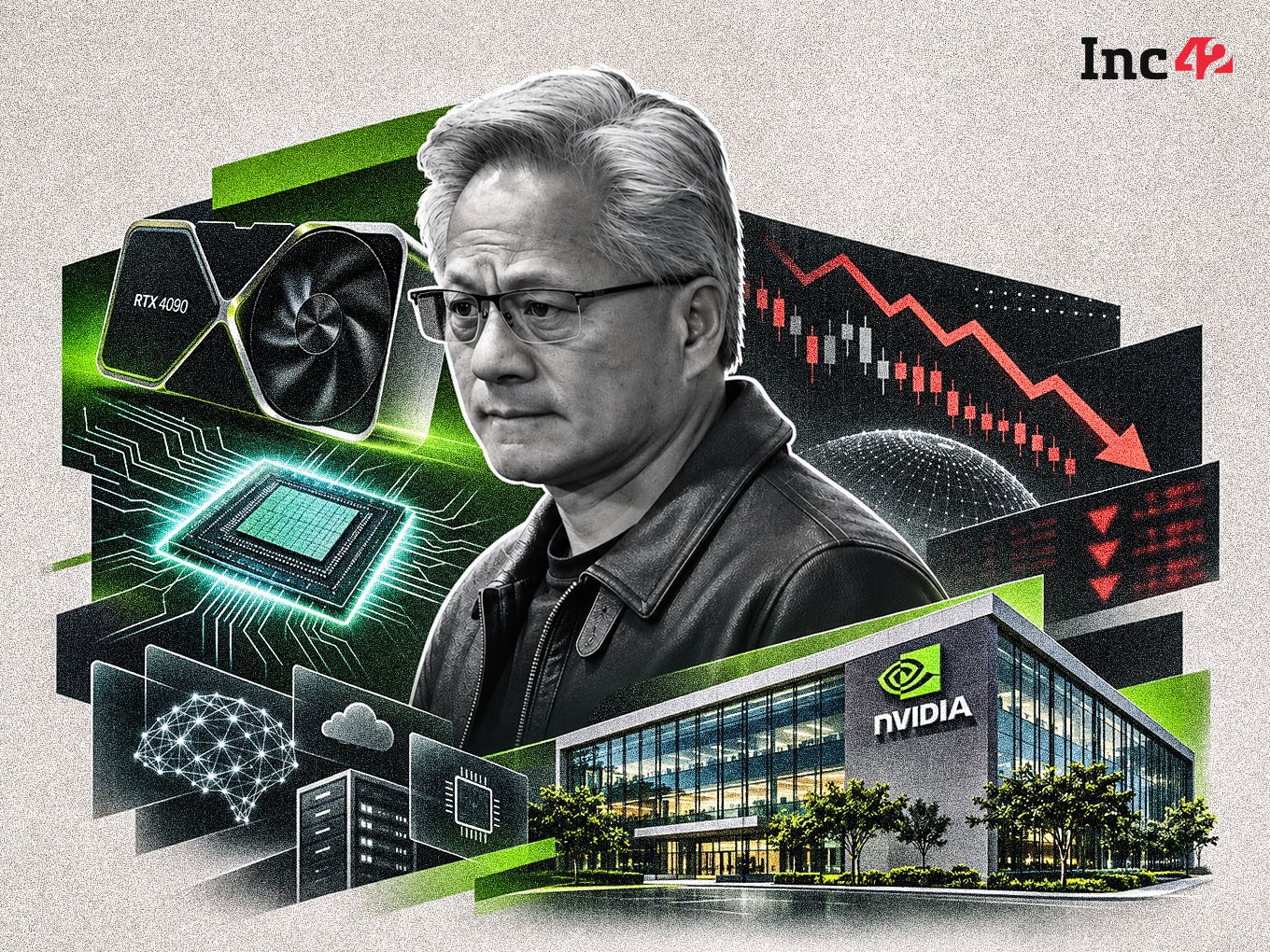
The departure of NVIDIA co-founder and CEO Jensen Huang has highlighted the critical role his company plays in India's rapidly growing AI ecosystem. For the Indian market, the pressing question is how this exit will impact the ecosystem that has become heavily reliant on NVIDIA's hardware, software, and commercial relationships.
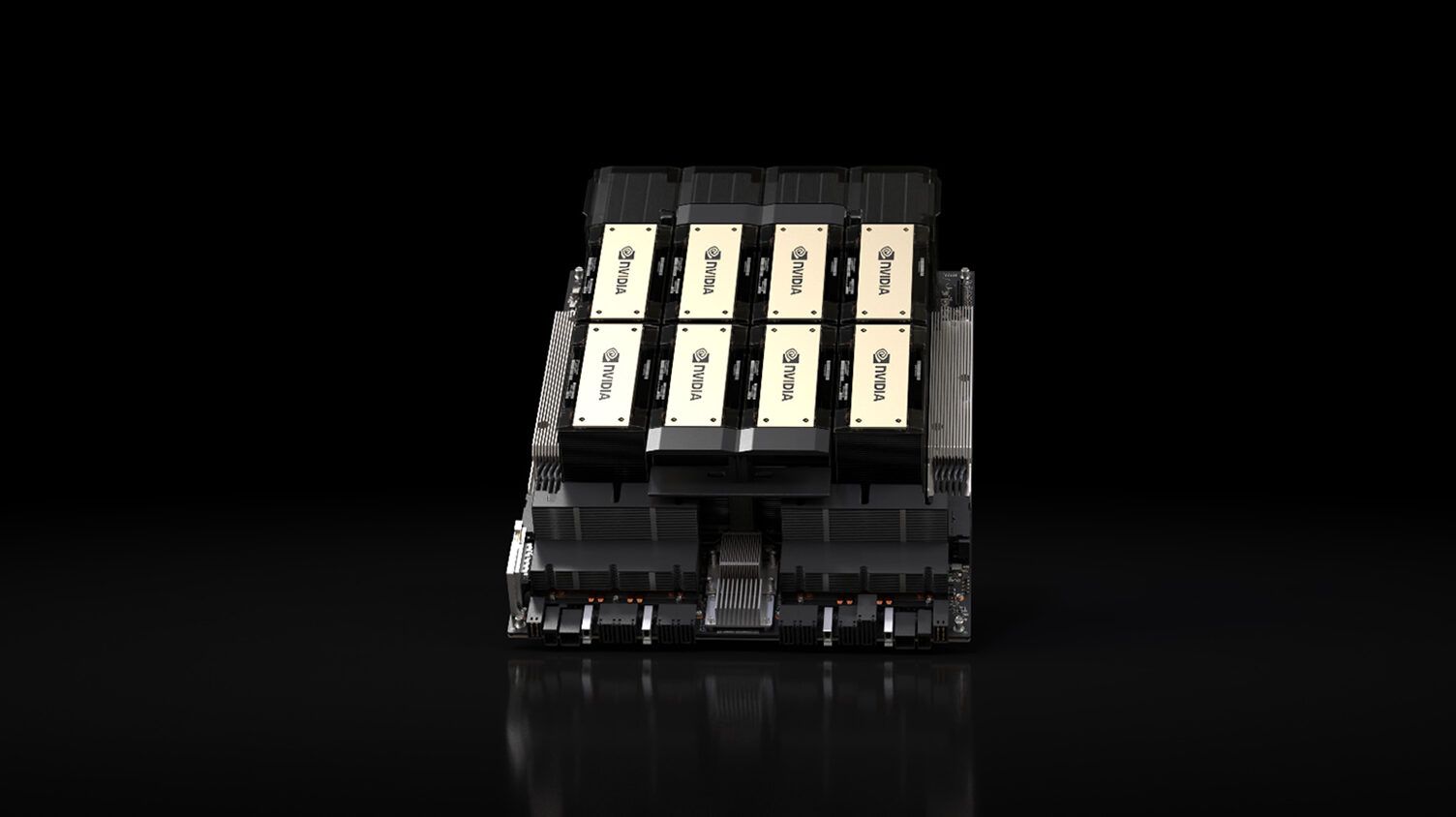
From data center operators procuring thousands of GPUs to startups leveraging NVIDIA's software stack, NVIDIA has embedded itself across nearly every layer of India's AI industry. This influence extends beyond mere hardware procurement to encompass cloud infrastructure, developer tools, technical partnerships, startup incubation, and even equity investments.
Companies such as Yotta Data Services, Greenko-promoted AM Intelligence, and L&T's Vyoma exemplify the scale of NVIDIA's presence in India, with commitments ranging from 20,000 to 10,000 GPUs.
However, India's dependence on NVIDIA operates on three distinct levels: hardware, software, and commercial relationships. Competing with NVIDIA and providing viable alternatives to Indian partners will require more than just matching NVIDIA's hardware capabilities. Rivals must replicate NVIDIA's extensive software ecosystem and industry relationships to truly challenge the American chipmaker.
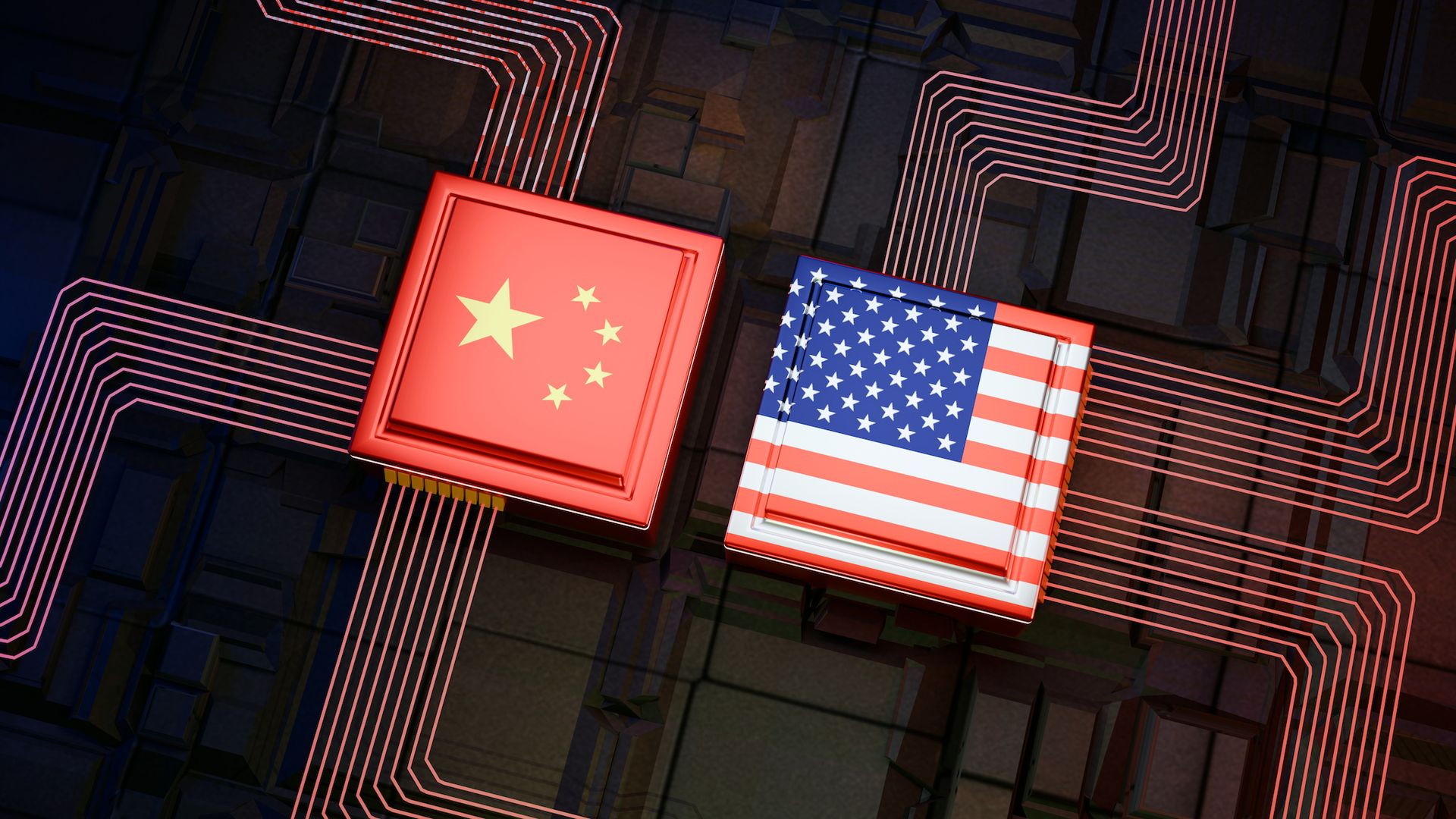
The geopolitical implications of this dependence on NVIDIA cannot be overlooked. The United States' scrutiny of advanced chip exports, particularly under the Biden administration's AI Diffusion Rule, has created uncertainty around the stability of NVIDIA's supply chain and access to global markets. Although India currently enjoys comparatively favorable treatment, the ever-changing regulatory landscape and the potential for tighter licensing requirements could pose significant challenges for Indian data center operators and AI stakeholders.
While alternatives such as AMD's Instinct accelerators, Google's Tensor Processing Units, and AWS's Trainium and Inferentia units do exist, India may need to diversify its AI compute infrastructure to mitigate risks associated with NVIDIA's potential changes in priorities or supply disruptions. The IndiaAI Mission's common compute program, which relies on a network of empanelled cloud and infrastructure providers, further underscores the importance of a resilient AI ecosystem that can withstand geopolitical and supply chain challenges.
Written by urgent.news from Inc42's reporting — not their text. Machine-written — may contain errors; check the original before relying on it.