Malaysia plans new law using data center power consumption to catch AI GPU smugglers
Malaysia plans to track AI GPU imports and data center power consumption to combat chip smuggling. But will it be able to do so?
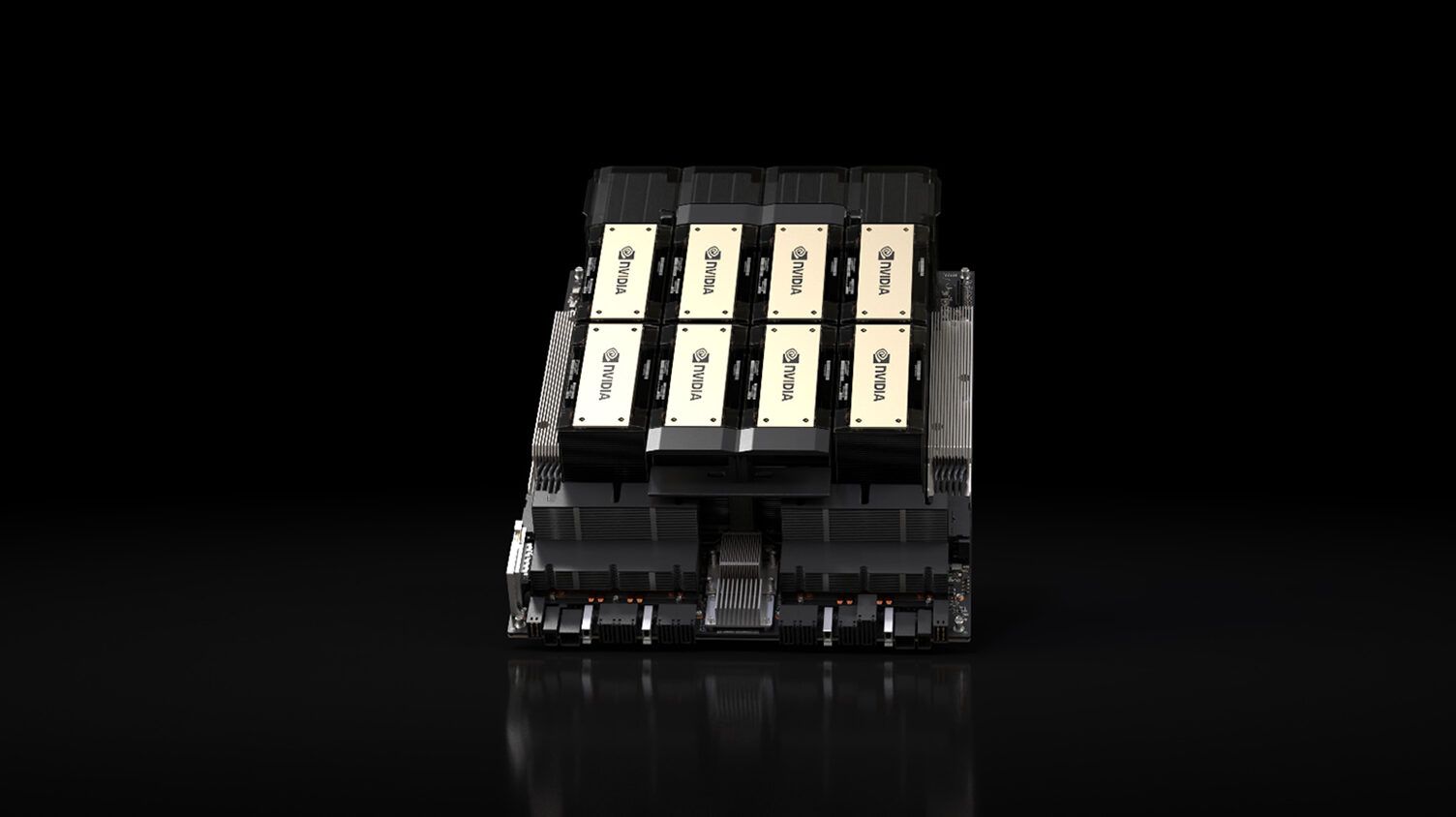
Malaysia has announced plans to introduce legislation that would require data center operators to disclose information on AI accelerator imports and power consumption. The objective is to prevent the smuggling of restricted hardware to countries like China and optimize the use of the country's power infrastructure, according to Malay Mail. The Digital Ministry is currently reviewing existing laws to ascertain whether they can take action against entities that re-export processors subject to U.S. export bans.
In addition to disclosing import details, GPU manufacturers, operators, and hyperscale customers will also be required to provide information. The government intends to track data center operations throughout their lifecycle, rather than just during the project approval stage. Data center operators will also be responsible for paying for all the electricity capacity they reserve, regardless of whether they use it or not.
This measure aims to discourage companies from reserving electricity capacity they may not need for a period of one to three years.
However, there are concerns about the practicality of using power consumption data to detect potential GPU smuggling. This is because power consumption alone cannot accurately determine the number of AI accelerators deployed at a facility, as it can vary depending on factors such as server configurations, CPUs, memory, storage, networking equipment, and power usage effectiveness (PUE). There may also be a delay between GPU imports and their actual deployment, making reliable verification challenging.
Malaysia has become a popular destination for data center investments in Southeast Asia due to the expansion of cloud service providers and AI infrastructure companies. As of now, 117 data center projects have been approved, with 55 already operational. This makes Malaysia an attractive venue for rerouting restricted hardware to countries like China, as it can be easier to conceal a small amount in a large number of facilities.
Written by urgent.news from Tom's Hardware's reporting — not their text. Machine-written — may contain errors; check the original before relying on it.