Researchers allege DeepSeek, Kimi, and other Chinese AI models were trained using banned Nvidia Blackwell GPUs
Researchers pinpoint that DeepSeek, Kimi, and other Chinese AI models were trained on export-controlled Nvidia Blackwell chips — statistical analysis on model weights reveals high correlation to Nvidia hardware
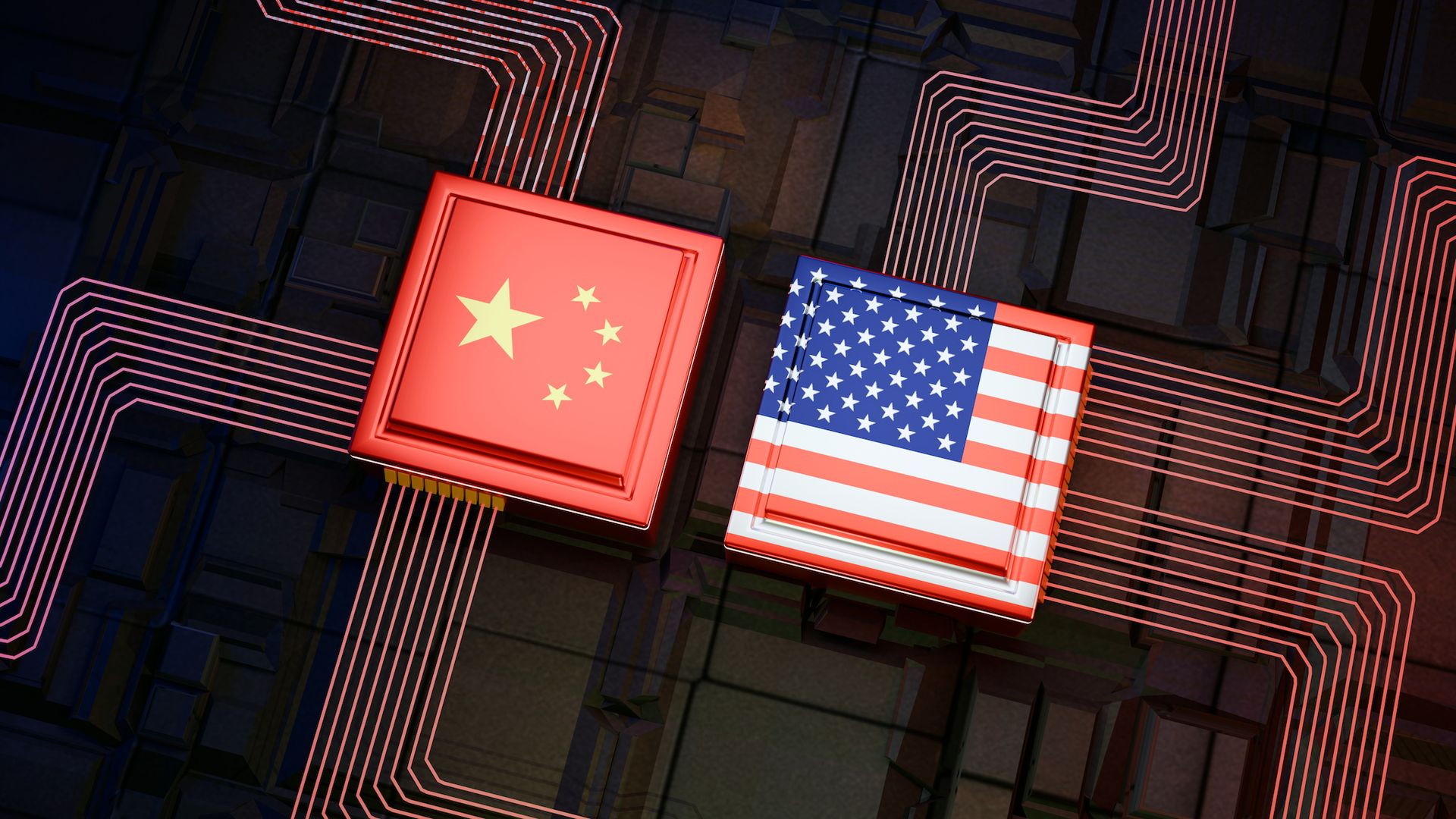
Researchers have uncovered compelling evidence suggesting that certain Chinese artificial intelligence models, including DeepSeek V4, Kimi K3.1, MiniMax-M3, and Ling-3.1-Flash, may have been trained using Nvidia's restricted Blackwell GPUs. UnemploymentLabs, an independent research company, conducted a study to analyze the training processes of these models.
They discovered that the models' weight initialization patterns align closely with those of Nvidia's Blackwell and Hopper silicon chips. While the study acknowledges that their findings do not reveal where the chips were physically sourced or accessed, it suggests that Chinese companies might be legally allowed to rent these high-end GPUs abroad.
The researchers utilized PyTorch and CUDA-aware software stacks, common in the AI industry, to train their models, ensuring a consistent and comparable training environment. By comparing the statistical distribution of weight values from the models with that of Nvidia's chips, the research team was able to accurately identify the Blackwell/Hopper chip families employed for each model.
However, they were unable to determine the specific model or configuration used, as the analysis focused solely on initialization layout counts, which do not account for VRAM capacity, memory bandwidth, or other unique characteristics of individual cards.
Written by urgent.news from Tom's Hardware's reporting — not their text. Machine-written — may contain errors; check the original before relying on it.
This story
This is one outlet's version. Read the fullest account.
- The Nvidia scandal is heightening America’s AI rivalry with China ahead of Trump’s visit winnipegfreepress.com
- Export-banned Nvidia chips are behind China’s most powerful AI models—uh oh, Jensen! techcrunch.com
- Chinese AI labs are training models on Nvidia's Blackwell despite export controls, says ex-OpenAI engineer theregister.com
- A secret transit hub for Nvidia AI chips? Minister says Malaysian police on the case since April malaymail.com
- Documents tie banned Nvidia AI chips to Alice Huang-linked Shanghai data center qz.com