I stopped paying for motherboard features I never use, and a cheaper board made a better PC
Mid-range is the sweet spot.
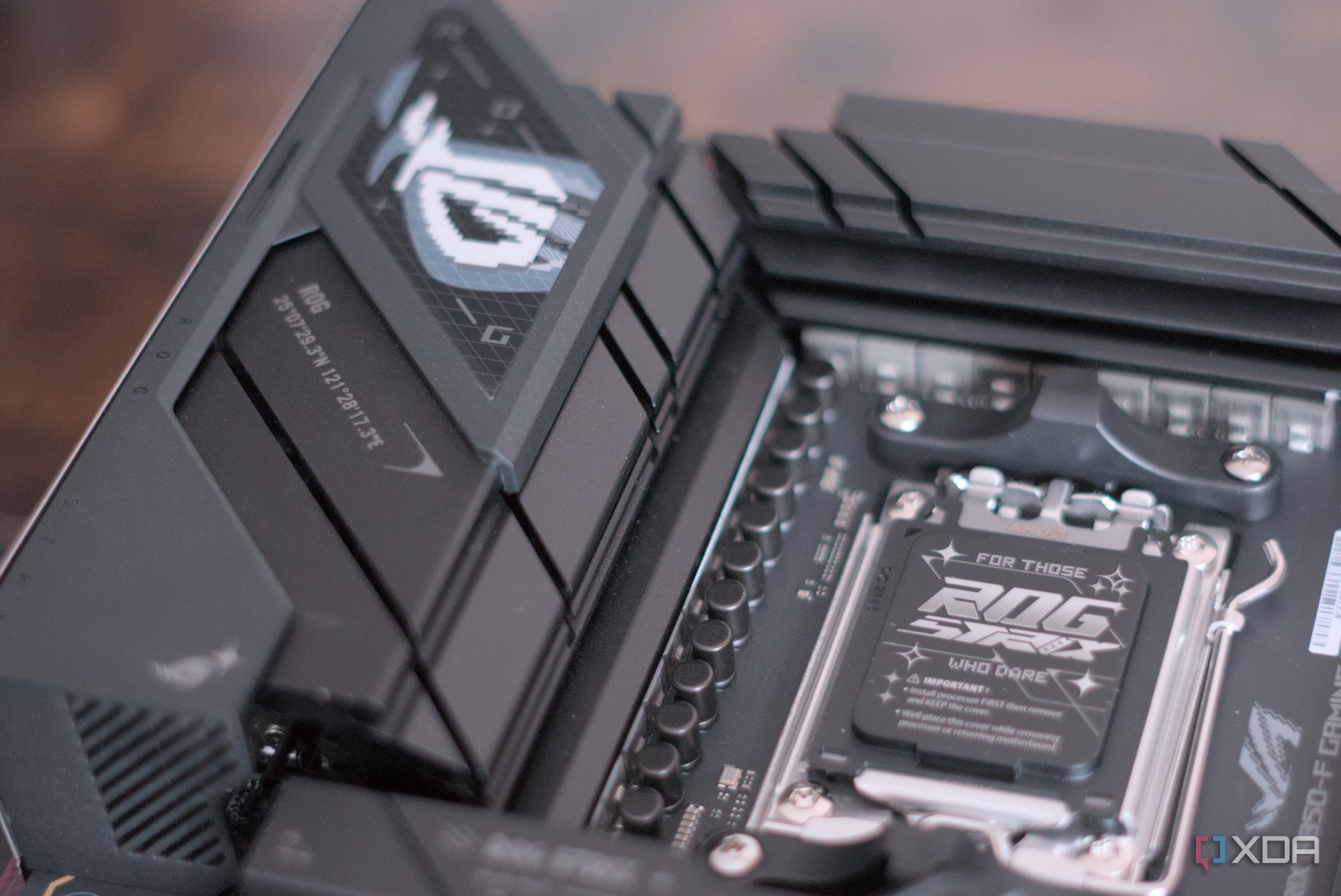
For years, I've been drawn to high-end motherboards, even though I know they won't improve gaming performance. Despite this, I find it hard to let go of the belief that they'll last longer than cheaper alternatives. When I purchased the ROG Strix X570-E for my AM4 build in 2020, I intended to use it for several CPU generations. However, as I transitioned to AM5 with the 9800X3D, I began to wonder how many of those premium motherboard features I actually utilized over the years.
Although motherboards have evolved since the X570, features like POST code displays, PCIe 4.0, and multi-gig Ethernet were already prevalent then. Moreover, considering the minimal use of some features, I couldn't justify the high cost, particularly with DDR5 memory already being pricey. Upon examining what distinguishes high-end motherboards from mid-range ones, most differences relate to gaming performance enhancements rather than quality.
While beefier VRMs with more power phases cater to overclocking enthusiasts, most users like myself typically undervolt their CPUs to maintain temperatures and boost clocks. Therefore, the necessity for costly power delivery systems is questionable. Premium motherboards primarily offer quality-of-life features and connectivity options.
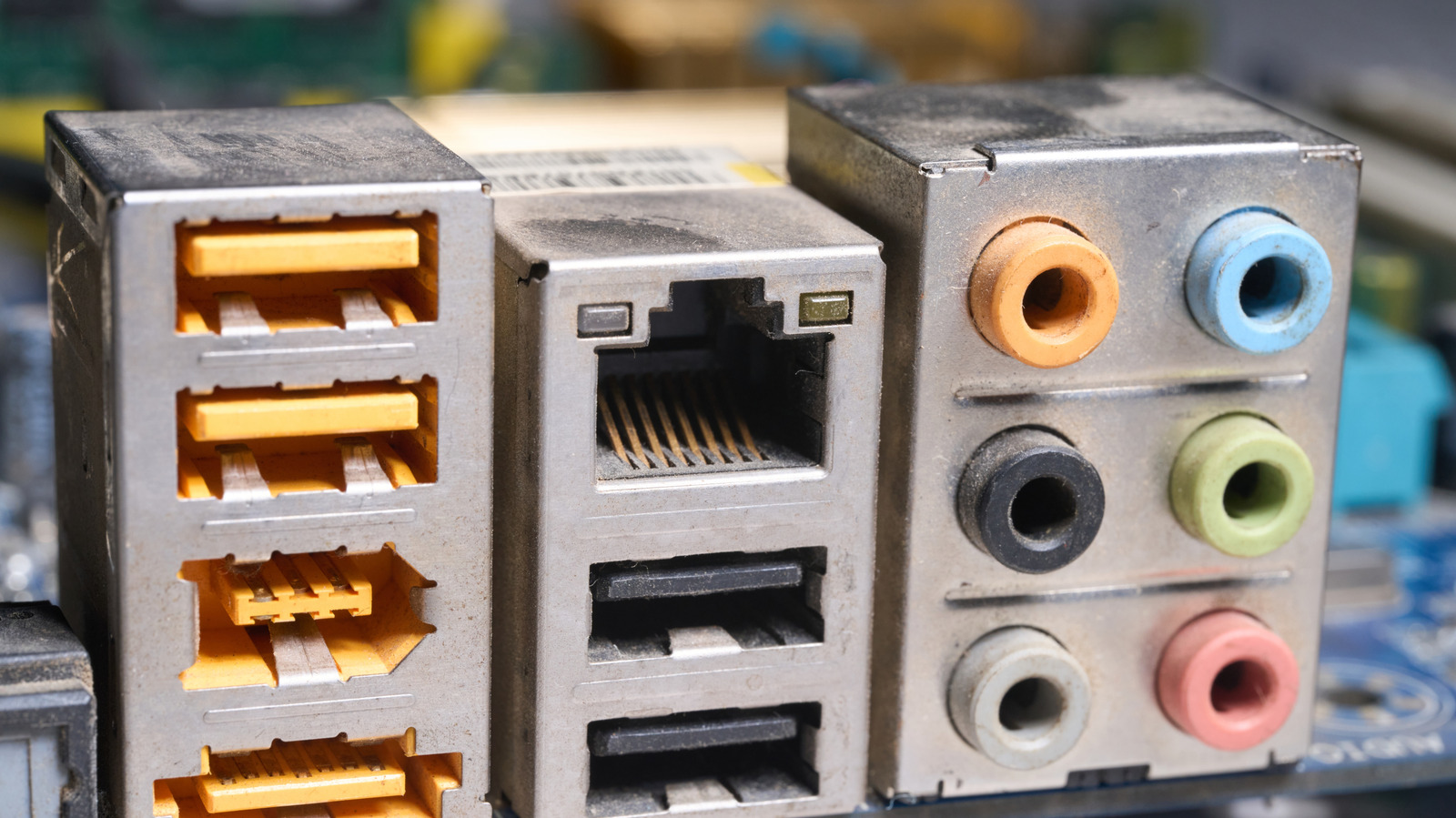
Although I found the MSI B850 Tomahawk MAX Wi-Fi lacking in some aspects, such as a two-digit POST code display, it has been useful only twice in the past five years. Some expensive boards include onboard power and reset buttons, magnetic M.2 heatsinks, and tool-less installation across multiple M.2 slots. Connectivity-wise, options like extra USB ports, USB4 support, faster or dual Ethernet ports, and additional extras are present but not essential for everyone.
When exploring AM5 motherboards, I was initially drawn to the MSI MPG X870E Carbon Wi-Fi. However, the B850 Tomahawk MAX Wi-Fi, priced $160 lower, caught my attention. While the X870E Carbon Wi-Fi offers more PCIe 5.0 M.2 slots, its lane allocation may limit the performance of high-end GPUs like the RTX 4090. Conversely, the B850 Tomahawk MAX has dedicated CPU lanes for its two Gen5 M.2 slots, preventing lane sharing with other slots.
Ultimately, choosing a high-end motherboard depends on individual needs, budget, and future-proofing considerations. For those who prioritize USB4 or have many expansion cards, investing in a premium board might be worthwhile. However, for most users, a mid-range motherboard provides sufficient features and performance at a more affordable price.
Written by urgent.news from XDA Developers's reporting — not their text. Machine-written — may contain errors; check the original before relying on it.