After Jensen Huang’s exit, what lies ahead for Nvidia’s open-source AI ambitions?
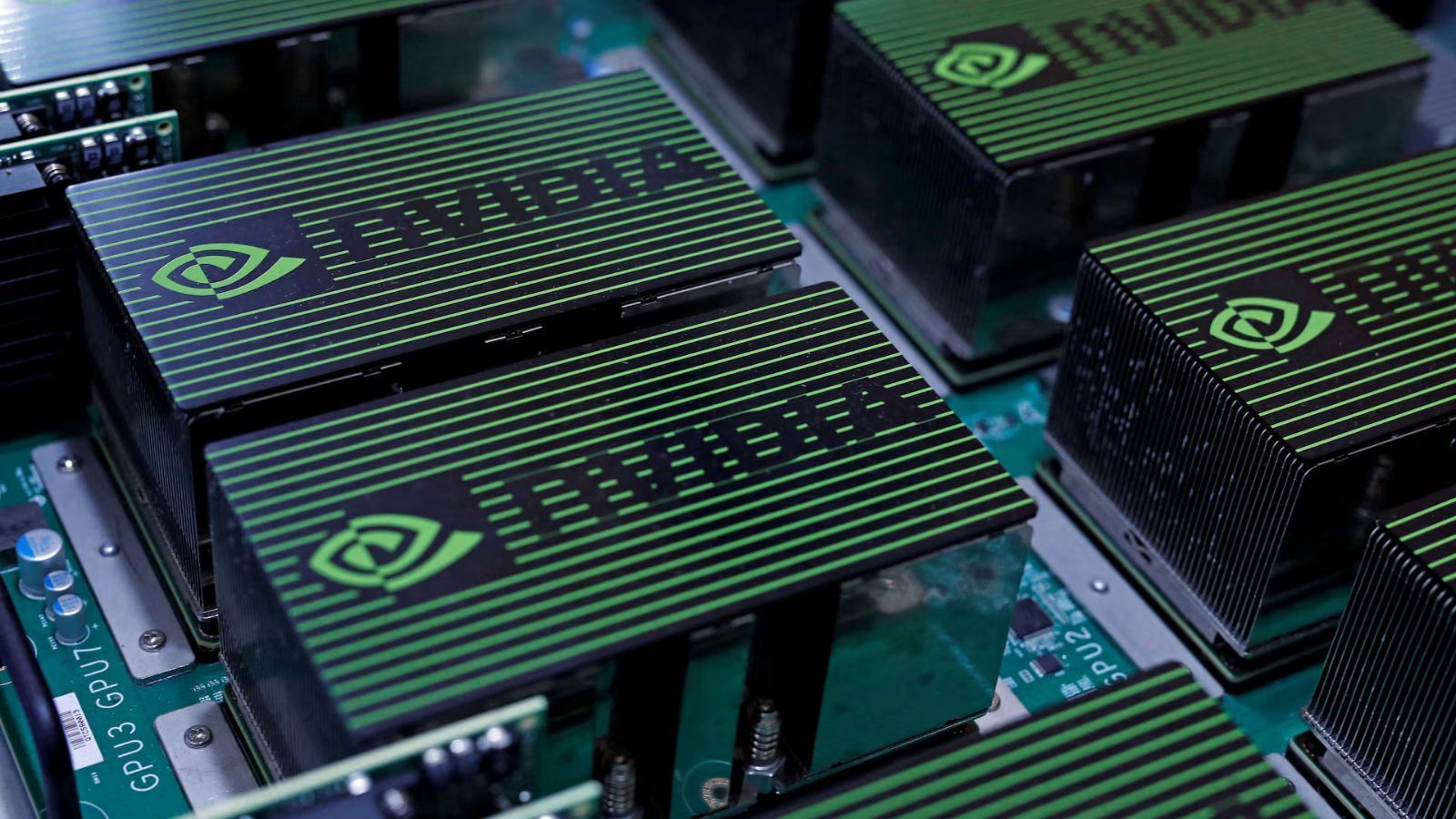
The departure of Nvidia's CEO Jensen Huang has raised questions about the company's dedication to open-source AI. Known for his strong advocacy of open-weight AI models, Huang has argued that these models are crucial for innovation, competition, and wider AI adoption. However, his absence comes at a time when open AI models are facing increased regulatory scrutiny in the United States, prompting speculation on whether Nvidia will continue to support this technology under new leadership.
Open-weight models make their trained parameters available for developers to utilize, modify, and build upon, while open-source models provide even more access, including to source code, training data, and development instructions. Although these models are becoming more prevalent, developers still lean heavily on proprietary systems.
A recent study found that about 80% of tokens processed on a tech platform are from closed models like those from Anthropic, Google, and OpenAI, whereas only 20% are from open models from companies like Meta, Mistral, and DeepSeek.
Huang has consistently argued that both open source and closed models have their place in the AI industry. He believes they serve different purposes and can coexist. Open models, he contends, enable companies, researchers, developers, and nations to create AI systems tailored to their specific needs, particularly in sectors like healthcare, finance, transportation, and scientific research.
Huang also noted that open models are not standalone products but rather foundational upon which developers can build specialized AI applications.
Despite the growing popularity of open models, developers tend to favor proprietary systems. This preference is highlighted in a research paper co-authored by Frank Nagle, a research scientist at the MIT Initiative on the Digital Economy. The study found that users prefer closed models, which account for the majority of AI token processing.
Huang has defended open models, emphasizing their role in driving industry adoption, research, and innovation. He also pointed out that developing open models helps Nvidia understand AI architecture evolution, which aids in designing future chips and computing systems.
Nevertheless, open-source AI is currently facing political and regulatory challenges in the US. Some policy makers and AI companies have called for stricter regulations, fearing that open models could become restricted or banned. In response, Huang has defended open models, advocating for their use by American businesses and rejecting claims that Chinese open models pose a security threat.
Huang's support for open models could significantly benefit Nvidia, as wider AI adoption could increase demand for chips, data centers, and computing infrastructure.
Written by urgent.news from The Indian Express's reporting — not their text. Machine-written — may contain errors; check the original before relying on it.
This story
This is one outlet's version. Read the fullest account.
- As Jensen Huang leaves Nvidia, what really is the threat to the AI economy? indianexpress.com
- ‘Why did you cheat?’: How sharing Jensen Huang’s name became blessing and a headache for AI founder livemint.com
- Jensen Huang exit and US scrutiny imperil $3 billion in Chinese AI projects reliant on Nvidia economictimes.indiatimes.com
- Will Jensen Huang’s downfall tip the scales against open-source AI? scmp.com