Claude Code is quietly becoming a hardware hacker's best helper, and Linux support is next
Claude Code is changing how we tinker with hardware.
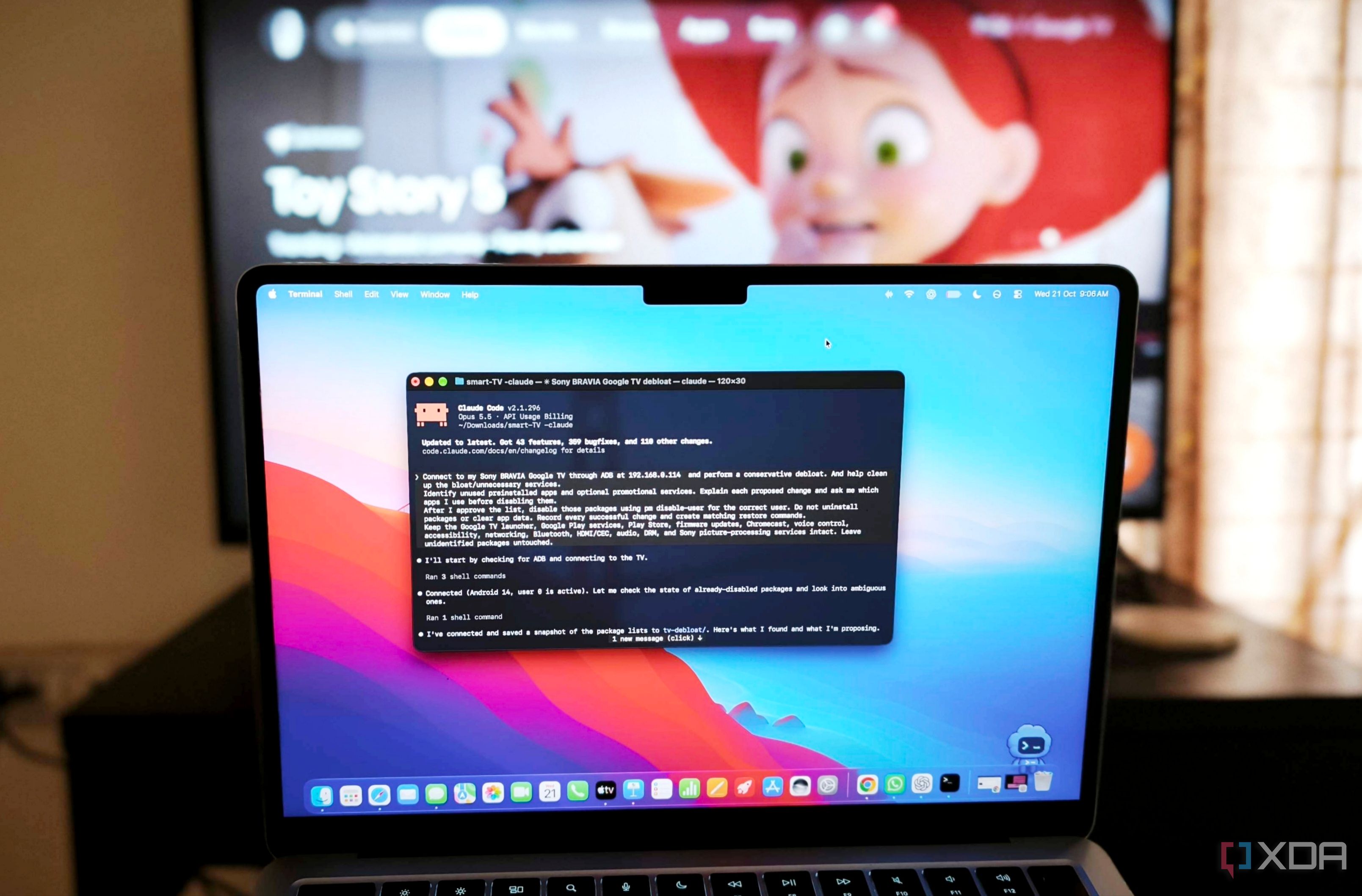
Claude Code is quietly emerging as a valuable tool for hardware hacking, potentially boosting Linux hardware support. Initially, the AI coding agent proved helpful for the author in building a custom ESP32 sensor for their smart home, a task they wouldn't have been able to accomplish on their own. This trend is not isolated, with many people using coding agents to program microcontrollers, troubleshoot hardware, and develop device drivers.
The accessibility of hardware development through tools like Claude Code could significantly benefit Linux hardware support.
Hardware projects often require specialized knowledge, a barrier that coding agents help overcome. For instance, understanding GPIO pin assignments, component communication protocols, and configuration in software platforms like ESPHome can be challenging for beginners. Claude Code assisted the author in navigating these challenges, leading to a functional multi-sensor device integrated with Home Assistant.
The utility of Claude Code extends beyond simple projects. Developers have employed the tool to create touchscreen music controllers, wireless network monitors, and custom notification displays using ESP32 boards. More ambitious projects involve firmware development, circuit board design, and companion applications for hardware devices. One developer even utilized Claude Code to create a digital hourglass with an ESP32, a custom PCB containing 211 LEDs, and a companion iPhone app.
Another challenge in hardware projects involves reverse engineering proprietary protocols. A developer improved Home Assistant integration for a Bluetti EP760 home battery inverter by analyzing the manufacturer's Android app, understanding its cloud APIs, and reverse engineering the Bluetooth communication. Another developer reverse-engineered the communication protocol of the original Ray-Ban Stories smart glasses, building an alternative Android app that accessed photos, videos, and battery/storage information without relying on Meta's official app.
Claude Code could significantly impact Linux hardware compatibility. One example is Christian Schaller's experience with a Plustek OpticFilm 8200i scanner, which initially lacked proper Linux support when the manufacturer changed its chipset. Using Claude Code, Schaller captured USB communication between the computer and scanner, compared it with his experimental Linux driver, identified differences, and helped develop a compatible driver. This approach led to nearly complete support for infrared scanning on Linux.
Schaller also applied a similar method to fix an underperforming webcam on his ThinkPad X1 Carbon Gen 14. By examining the Windows driver configuration and existing Linux implementation, Claude Code identified issues in the kernel driver and libcamera, resulting in patches ready for review by the end of the day. Although other developers independently added support for Schaller's scanner to SANE, he released an open-source project called hw-harness to help others reproduce his approach.
Merging such experimental drivers into Linux remains challenging, requiring proper testing, code review, and ongoing maintenance. However, if coding agents can assist in this initial reverse-engineering phase, we may eventually witness improved Linux support for devices that manufacturers have largely ignored.
Written by urgent.news from XDA Developers's reporting — not their text. Machine-written — may contain errors; check the original before relying on it.
This story
This is one outlet's version. Read the fullest account.