One stack, not three silos: How Stelcore’s leaders want Indian brands to go global
At TechSparks 2026, Stelcore’s Bharat Mandot, Percy Avari and Navin Mistry explained how brands can turn compliance, tech and supply chain into one growth engine.
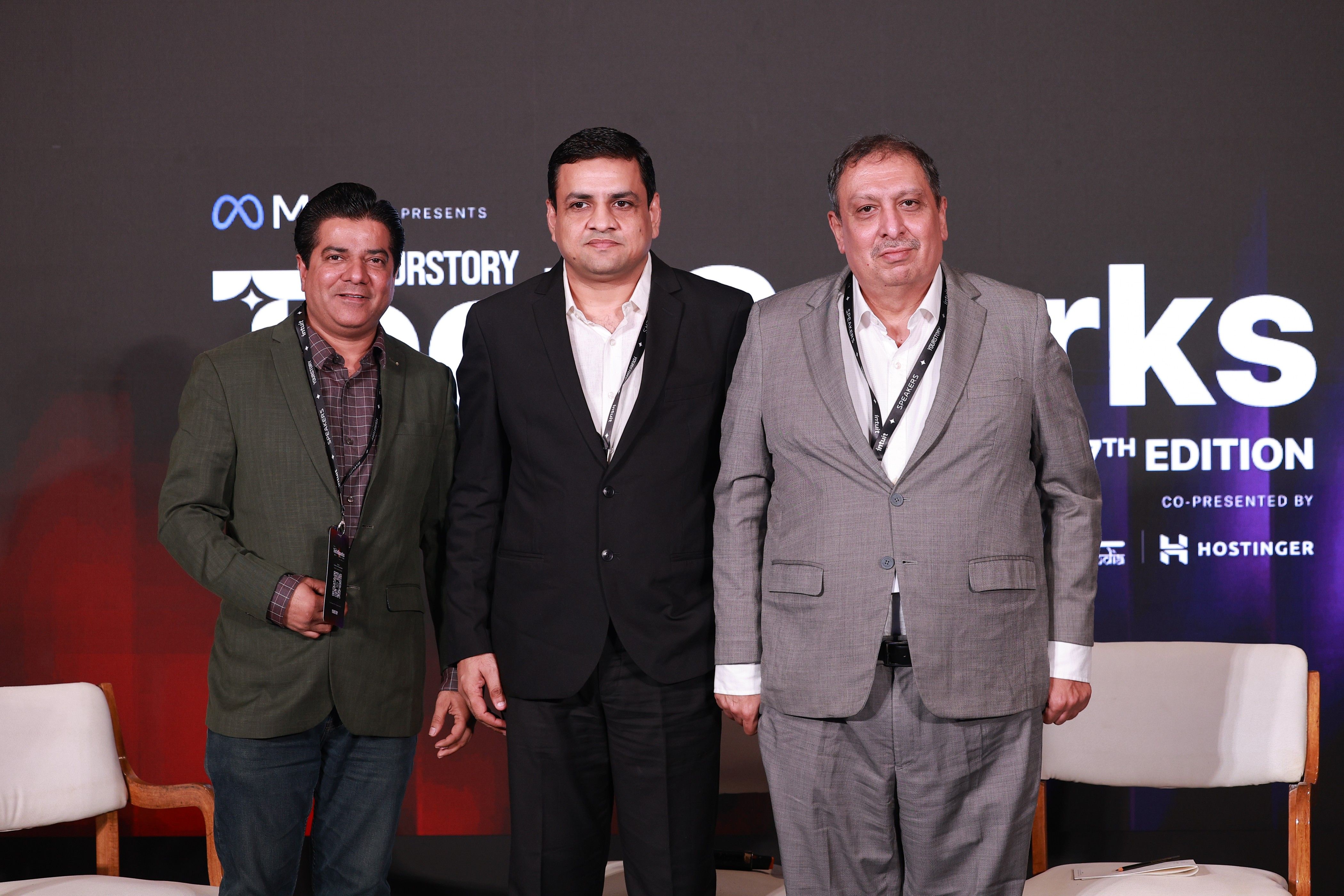
The focus of a recent session at TechSparks 2026 was how India's upcoming brands should shift from a patchwork of commerce, technology, and logistics to a single connected commerce stack. Navin Mistry, Strategic Partner at Stelcore Commerce, discussed this shift with Bharat Mandot, Founder & Chairman of Stelcore Group, and Percy Avari, Co-Founder of Stelcore Supply Chain. The discussion centered on how technology, trade, and supply chain can work together as a single layer to help brands go global.
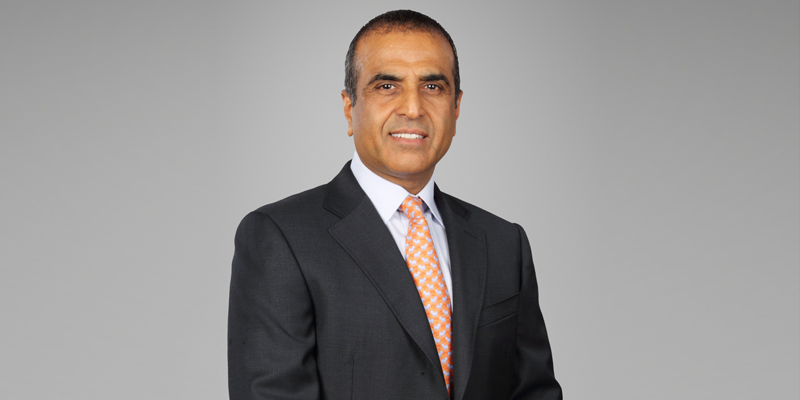
Mandot, who founded Stelcore in 2011, highlighted that over the years, commerce, technology, and logistics were operating in silos. He explained that the solution lies in bringing all three elements into one ecosystem, making it easier for Indian brands to expand cross-border without hassle and with intelligence and compliance. Mandot advised founders to prioritize customer acceptance, starting with testing products through marketplaces or social platforms before bringing in compliance, logistics and payments.
He also stressed the importance of inventory placement, recommending that businesses distribute stock across different locations to serve various markets efficiently, such as the Middle East and the US.
Avari, with 35 years in logistics, including 29 at Aramex, noted that compliance rules have eased over the past decade but warned that customs still catch new exporters off guard. Stelcore Supply Chain now incorporates this knowledge into its technology to alert sellers about required documents during shipment creation. He emphasized that failure to consider all three aspects—compliance, technology, and logistics—can hinder brand growth in a profitable way.
The session also touched on when to transition from dropshipping to forward fulfillment. Avari shared that most brands start with dropshipping, with 85-90% of orders in the first year. As demand data reveals which SKUs should be fulfilled regionally from hubs like Dubai, dropshipping typically drops to 10-20% of orders by years two or three.
Mistry pointed out that there is no one-size-fits-all formula, but a blend of both approaches is key. The session also highlighted the significant role of micro, small, and medium enterprises (MSMEs) in Indian exports. Avari aimed to move 25,000 MSMEs from domestic to cross-border trade within five years, expecting export opportunities to grow tenfold in the next three to five years due to government support.
Written by urgent.news from YourStory's reporting — not their text. Machine-written — may contain errors; check the original before relying on it.