Mittal says India must hold the satellite 'kill switch', warns against reliance on one company
The kill switch is the ability to cut off, throttle or restrict a satellite network's service, whether for a single terminal, a region or an entire country, from the operator's control systems and ground gateways.
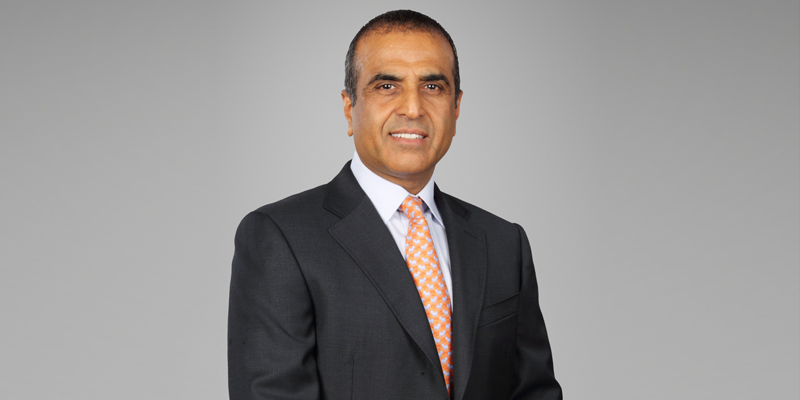
Bharti Airtel's founder and chairman, Sunil Bharti Mittal, has warned India to retain control of the satellite communications kill switch to avoid becoming reliant on a single company. The kill switch, which Mittal referred to as "the one that matters," should remain under India's jurisdiction, he stated in an interview marking Bharti Enterprises' 50th year.
The kill switch enables operators to disable, throttle, or restrict satellite network services, either for individual terminals, regions, or the entire country, from their control systems and ground gateways. Governments view it as a security tool, allowing them to quickly shut down service during conflicts, security threats, or to enforce lawful orders.
Mittal emphasized that India must exercise sovereignty over its space destiny, which includes ensuring control of the kill switch. If the switch is held by a foreign operator or abroad, it could lead to service disruptions for Indian users due to decisions made elsewhere. He cited Ukraine's reliance on Starlink and OneWeb, which saw connectivity issues during its conflict with Russia, as an example.
Mittal highlighted that warfare is increasingly transitioning to space, with various military operations, cyber threats, and guided missiles being managed from orbit. He stressed the need for India to secure its space infrastructure, including ensuring the security of equipment, communications, and monitoring of data. Mittal reiterated that India should not depend on a single provider and that the government's scrutiny of satellite operators is justified.
He also noted that satellite communications will coexist with mobile networks, providing coverage in remote and underserved areas.
Written by urgent.news from YourStory's reporting — not their text. Machine-written — may contain errors; check the original before relying on it.