Alliance urges farmers to plant more trees to protect cocoa farms following El Niño weather
Rainforest Alliance has urged cocoa farmers to increase tree cover on their farms to protect cocoa crops against excessive heat and other potential effects of the developing El Niño weather phenomenon. The post Alliance urges farmers to plant more trees to protect cocoa farms following El Niño weather appeared first on Ghana Business News .
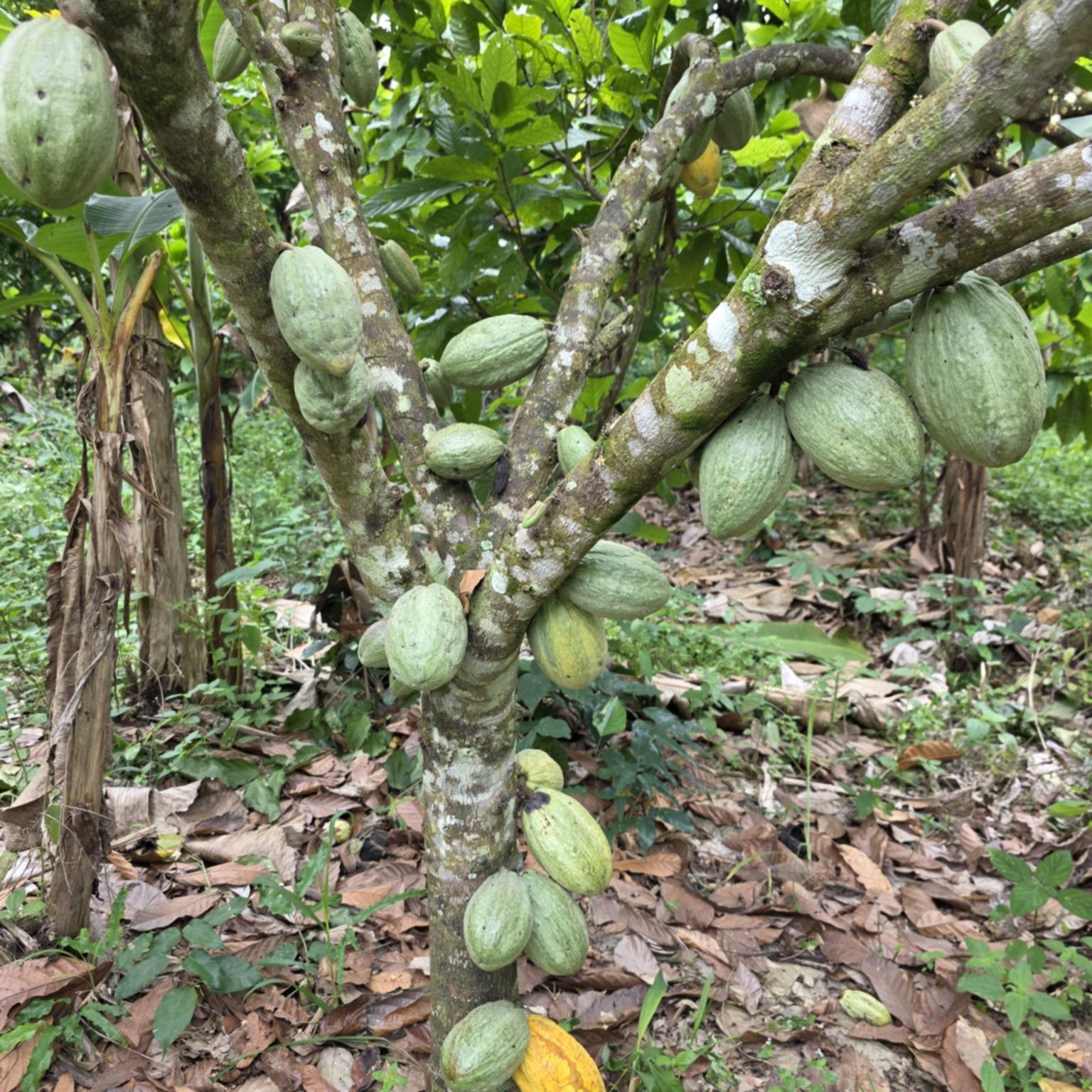
The Rainforest Alliance has called on cocoa farmers to plant more trees alongside their cocoa crops as a way to safeguard their harvests against the anticipated effects of the growing El Niño weather event. According to Nicholas Jengre, the Country Director for the organization in Ghana, increasing tree cover on farms would help mitigate excessive heat, enhance soil quality, and bolster the resilience of cocoa plantations to fluctuating weather conditions.
Jengre emphasized that adequate tree cover is crucial as Ghana anticipates hotter and drier weather patterns associated with El Niño. He stressed that farms with economic trees exhibited healthier cocoa trees due to the additional vegetation's temperature-regulating properties. The Ghana Meteorological Agency (GMet) reported in a technical brief that a strong and intensifying El Niño was affecting the tropical Pacific, with a 96 per cent likelihood of reaching very strong intensity between November 2026 and January 2027.
The agency warned of potential hotter and drier conditions, water scarcity, bushfires, and increased dust, which could negatively impact agricultural production and livelihoods, especially in vulnerable northern and transitional communities.
To support farmers in adapting to these challenges, the Rainforest Alliance requires a minimum of 18 trees per hectare on farms, which provides shade and shields cocoa crops from climate-related impacts. Jengre also highlighted that the organization promotes regenerative agriculture and improved farming techniques, such as timely weeding, pruning, harvesting, and proper drying of cocoa beans, to enhance productivity and farmers' incomes.
Research indicated that around 80 per cent of Ghanaian cocoa farmers earned below the living income threshold. A study conducted by Cocobod and SUSCO found that Ghanaian cocoa farmers typically produced 476 kilogrammes per hectare, falling short of the 652 kilogrammes needed for a family of five to maintain a suitable income.
Addressing income disparities is vital, according to Jengre, and improving farm productivity is essential in this regard. He noted that Rainforest Alliance certification offers farmers ongoing training in farm management, pest and disease control, and practices that can boost yields. Proper pruning, in particular, can increase cocoa yields by 30 percent or more.
In a separate interview, Prosper Ayimiah Hyacinth, the Standards and Assurance Manager of ETG Beyond Beans Ghana, reported on the progress of implementing sustainability standards in Ghana’s cocoa sector. The company supports approximately 9,000 farmers across 20 cocoa districts through training, farm mapping, tree planting, and other initiatives.
Hyacinth reported that free pruning assistance had led to yield increases of over 50 percent for participating farmers, while tree planting efforts achieved an 85 percent survival rate.
Written by urgent.news from Ghana Business News's reporting — not their text. Machine-written — may contain errors; check the original before relying on it.