The first sci-fi Booker winner
M. John Harrison’s post-apocalyptic novel maintains the author’s signature “unpredictability and off-kilter” style, The Times wrote.
M John Harrison, the oldest winner of the Booker Prize at the age of 81, has emerged as a significant figure in the literary world. Born in 1945, the British author has been a prolific writer across science fiction, fantasy, and literary fiction since the 1960s. Harrison's career began in the 1960s, with his first story sold in 1965, and he joined the influential British science fiction magazine New Worlds in 1969, where he edited its books pages until 1978.
Over the decades, his work has gained recognition and respect, earning him a reputation for fiction that challenges conventional ideas of genre and combines speculative worlds with philosophical questions about identity, perception, and reality.
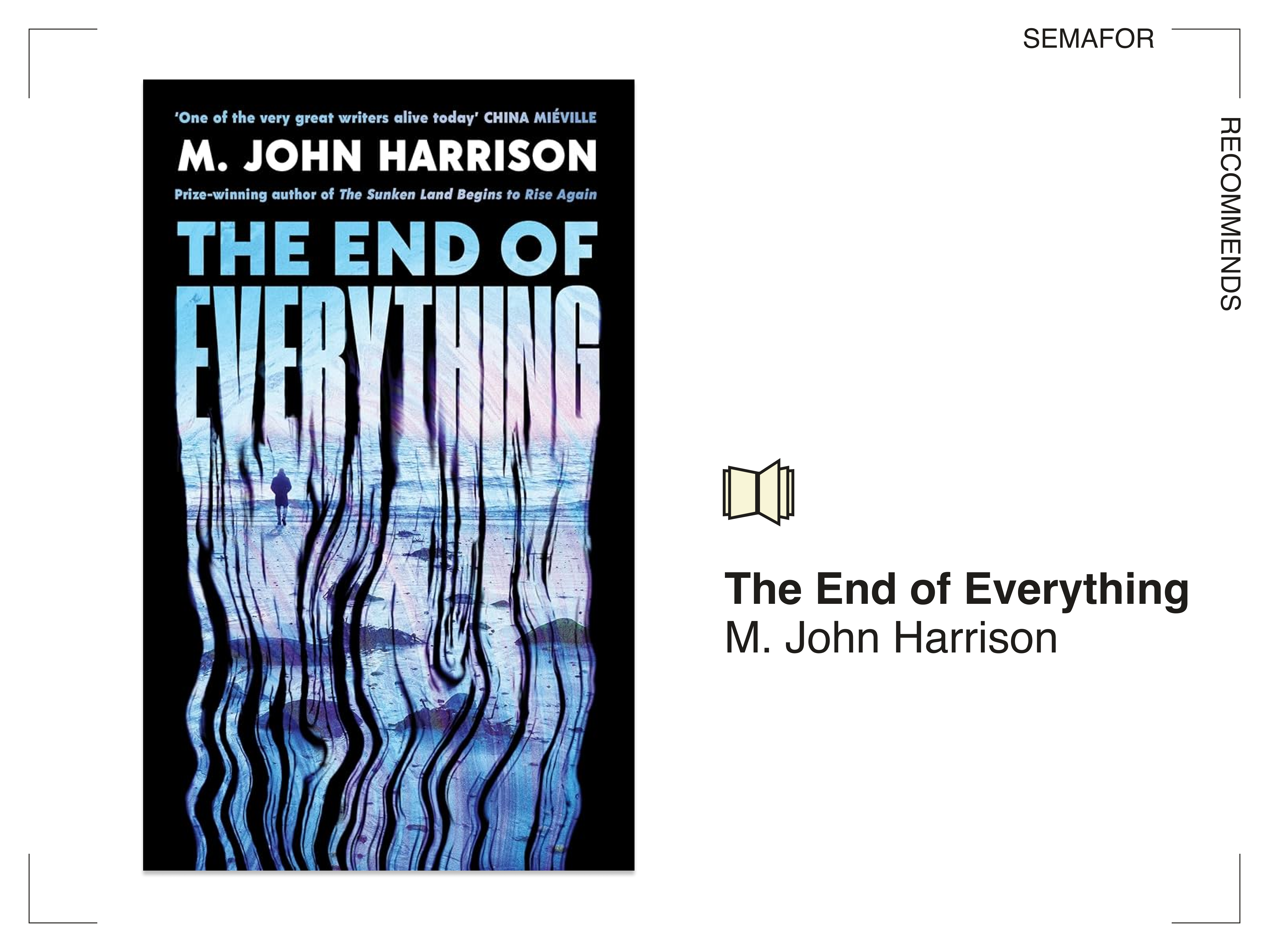
Harrison's latest novel, "The End of Everything," has brought him international acclaim. Published in 2020, this dystopian tale, marked by its brevity at just 198 pages, explores a post-apocalyptic near-future Britain. The narrative revolves around Phillip Tennent, a beachcomber, and his elderly aunt Marnie, who grapple with an inexplicable catastrophe involving mysterious shapeshifting entities known as the iGhetti.
The story delves into the collapse of societal structures, presenting a world where familiar norms have vanished, and characters struggle to comprehend their new reality.
The novel's inspiration, as revealed by Harrison, lies in the 2008 financial crisis and his fascination with how societies respond to disasters they cannot fully comprehend. Harrison's work often reflects current affairs, infusing his narratives with satire and commentary on the political landscape. In "The End of Everything," he examines the challenges societies face when expectations and explanations of the world break down, forcing individuals to forge new paths in a rapidly changing reality.
The 2026 Booker Prize judging panel, chaired by classicist and broadcaster Mary Beard alongside other distinguished figures, unanimously selected Harrison's novel as the winner from a list of 163 eligible books. Beard praised the book for its ability to challenge readers while offering moments of humor and unexpected optimism, even amidst its bleak subject matter. The judges highlighted how the novel serves as a commentary on the present, reflecting the political climate through the lens of a fictional future apocalypse.
Written by urgent.news from The National Business's reporting — not their text. Machine-written — may contain errors; check the original before relying on it.
This story
This is one outlet's version. Read the fullest account.