The End of Everything is a bonkers Booker winner
This year's Booker Prize winner feels less like high literature and more like a collective nervous breakdown, writes Harry Owen.
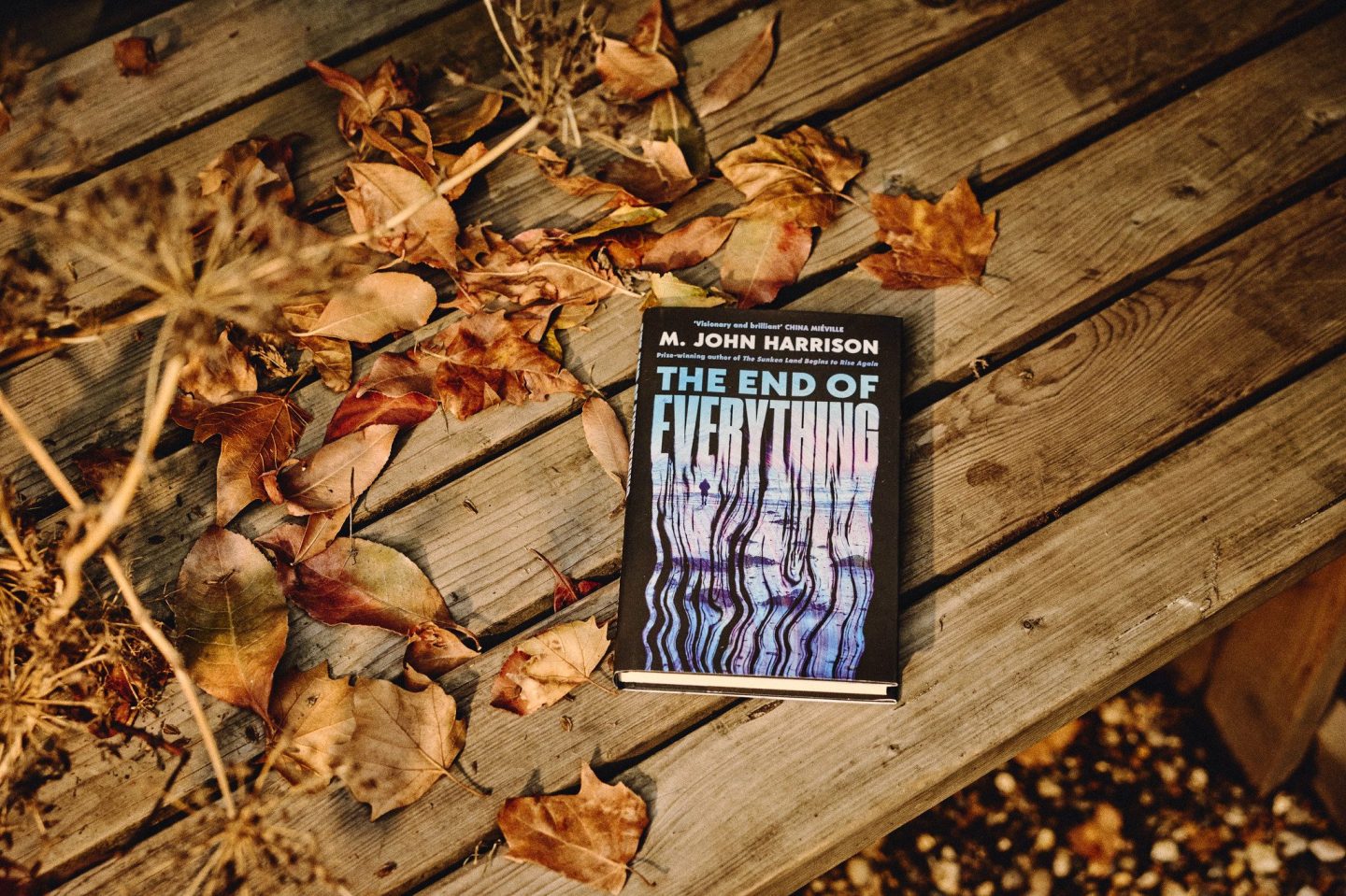
The Booker Prize winner for 2021, M. John Harrison's "The End of Everything", has been described by critics as a bizarre and unsettling choice. The novel, set in a dystopian Britain where London has been abandoned and the remaining population lives in makeshift tent cities along the South Coast, features a variety of strange elements.
An elderly aunt suffering from dementia, a nephew navigating the ruins, and a sentient beach-blob called "iGhetti" that swells in size and telepathically controls the surviving humans. The judges, including Cambridge classicist Mary Beard, Pulp front-man Jarvis Cocker, online-surrealist poet Patricia Lockwood, 'lyrical innovator' Raymond Antrobus, and cultural critic Rebecca Liu, selected this unconventional work for its themes of collapsing empires and vivid atmosphere.
While some find the book a compelling reflection of current societal issues, others question whether it truly deserves the highest fiction honor. The book's bizarre elements, combined with the unusual composition of the judging panel, have sparked debate about the nature of high literature and the role of the arts in capturing the chaos of our times.
Written by urgent.news from City AM's reporting — not their text. Machine-written — may contain errors; check the original before relying on it.
This story
This is one outlet's version. Read the fullest account.