Kutter økostempel på laks: – Dyrevelferd og miljø er ikke godt nok
Det kan bety slutten for økologisk laks i britiske butikker og vil blant annet ramme den norske…
The Soil Association (SA), which certifies organic salmon in Britain, announced it will no longer endorse farmed salmon. While their standards ensure lower fish density and prohibit harmful chemical treatment methods, documentation revealed that animal welfare and environmental effects fall short of their requirements, writes SA's leader Helen Browning in a statement.
SA began working on certifying salmon over 20 years ago with the ambition to contribute to an organic production system that respects ecological principles both in the sea and on land. The aim was to provide salmon with the conditions for a good life, with minimal impact on the environment and other species. However, progress in this direction has been very limited, Browning concludes.
The British newspaper The Times also covered the story. Norwegian company Mowi has organic salmon production in both Ireland and Scotland and is one of the largest producers of organic salmon in Britain. To obtain organic certification from the British Soil Association, salmon farmers must meet stricter requirements for fish density, feed, medication use, and animal welfare.
This affects Mowi in a very small degree, Mowi's communications director Ola Helge Hjetland writes in an email to E24, but he does not answer questions about the consequences when certification ends in 2027. It is unclear if organic salmon will disappear as a product in British stores or if another certifying body will take over.
In that case, it would require negotiations between the industry and authorities. Mowi may face lower revenues, as organic salmon is sold at higher prices. Organic salmon accounts for a relatively small portion of the British salmon market. To obtain organic certification, salmon farmers must meet stricter requirements for fish density, feed, medication use, and animal welfare.
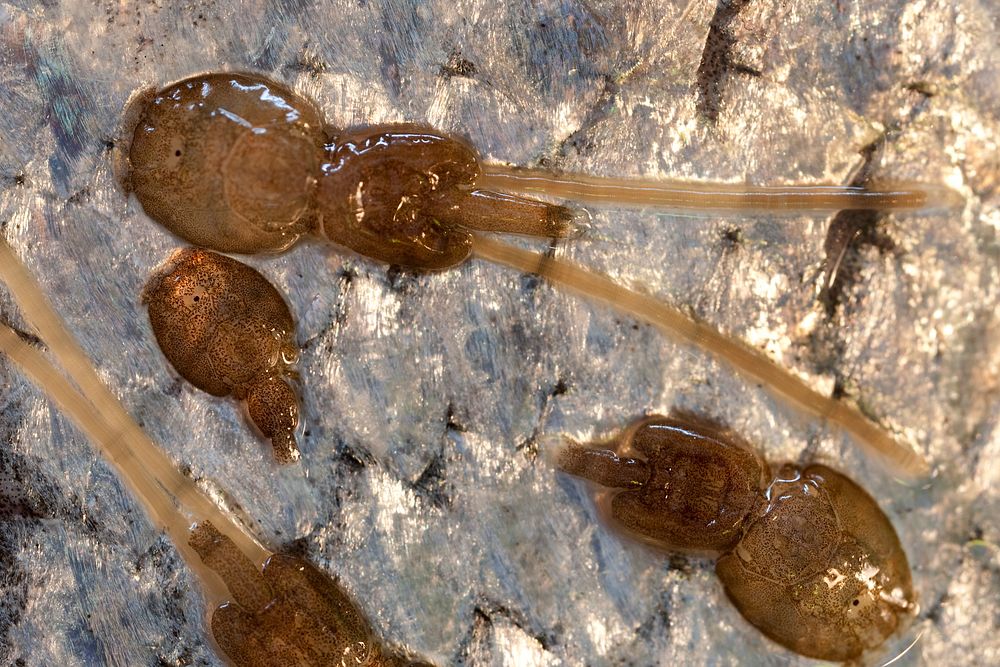
Salmon farming has struggled with high mortality rates for several years. Scottish salmon farming has been particularly hard hit in recent years due to disease and lice outbreaks, leading to much higher mortality rates than in Norway. Browning notes that warmer waters also pose new challenges for animal welfare, especially in the form of outbreaks of parasites that are beyond farmers' control.
However, she says they never thought the problems could be solved so quickly through their standards. "There is a need for greater research and development efforts in this area," she adds, emphasizing that as an organization, it is not their responsibility to lead this work. The breach of animal welfare in salmon farming has attracted increased attention in Britain in recent times, with a large-scale campaign on London's subway system.
Written by urgent.news from E24 Norway's reporting — not their text. Machine-written — may contain errors; check the original before relying on it.