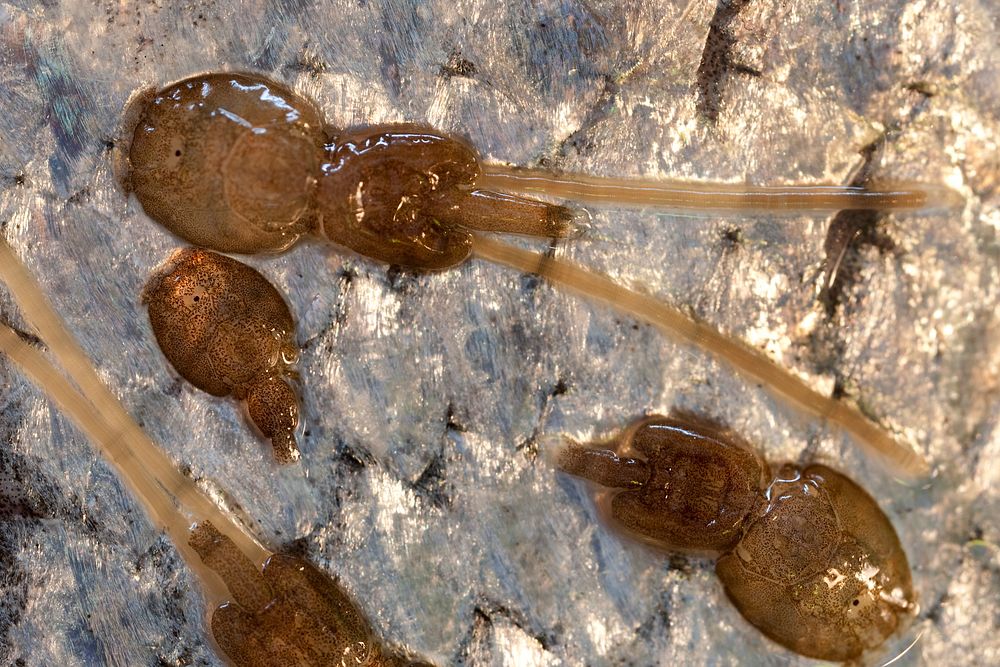
Milbenlarven als Überträger: Asienreise: So schützt man sich vor dem Tsutsugamushi-Fieber
Nach Nepal soll's gehen, nach Südostasien oder in den Norden Japans? Dort können sich Reisende mit dem Tsutsugamushi-Fieber anstecken. Was unter anderem schützt? Nicht auf den Boden setzen.
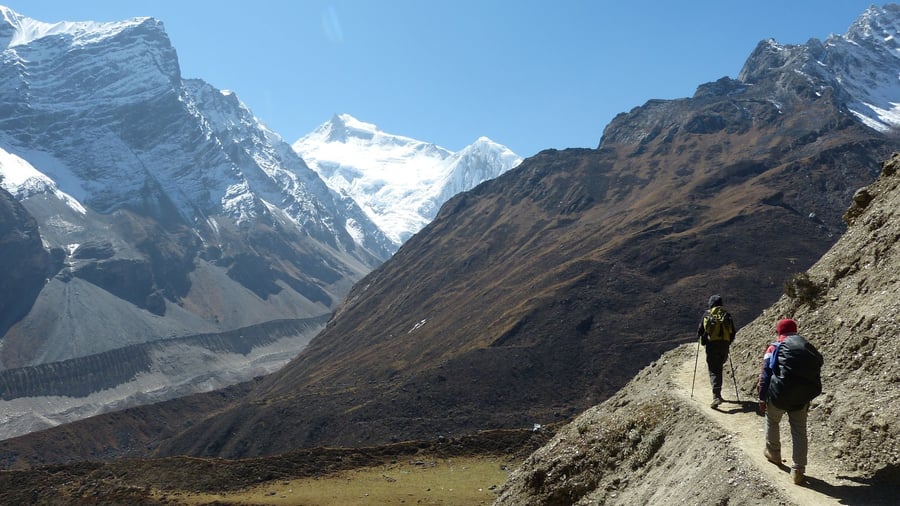
The tiny, blood-sucking larvae of mites, known as mite larvae, have the potential to leave harmful bacteria in our bodies, causing a disease called Tsutsugamushi fever. This condition is prevalent in northern Japan, Southeast Asia, northern Australia, China, and the Indian subcontinent, with recent cases reported in Nepal. The CRM Center for Travel Medicine advises travelers to Nepal, especially those going on trekking tours, to take proper precautions to avoid contracting the disease.
Tsutsugamushi fever is transmitted by the bacterium "Orientia tsutsugamushi," naturally found in rodents. However, mite larvae carrying the bacterium can also transmit it to humans through their bites. This is more likely to occur when travelers are in nature, as the mite larvae live on bushes and shrubs near riverbanks. The CRM reports that these larvae reside in areas accessible to travelers.
The symptoms of a Tsutsugamushi fever infection usually appear one to two weeks after the mite bite. About half of the infected individuals develop a dark rash at the site of the bite. Additionally, regional lymph node swelling may occur, along with fever, body and muscle aches, and coughing. A distinctive feature is a patchy skin rash that appears several days after the onset of symptoms.
Rarely, the infection can lead to complications affecting the brain, brain coverings, heart muscle, or lungs. To prevent these complications and potential deaths, early treatment with antibiotics is crucial, typically using Doxycycline. Current vaccination against Tsutsugamushi fever does not exist, leaving travelers to rely on preventive measures.
The CRM advises travelers to Nepal, particularly those going on trekking tours, to protect themselves by wearing long, permethrin-treated clothing and using insect repellents. The CDC recommends DEET-containing repellents for protection against mosquito-borne diseases, including Tsutsugamushi fever. Travelers should also avoid contact with animals, minimize ground contact or grass exposure to reduce the risk of mite bites.
When traveling to remote areas, carrying an emergency antibiotic may be beneficial. It is recommended to consult a travel medicine professional before embarking on a journey to Nepal or anywhere else where Tsutsugamushi fever is prevalent.
Written by urgent.news from Handelsblatt's reporting — not their text. Machine-written — may contain errors; check the original before relying on it.