Who will take care of us when we get old?
Unlike projecting how many jobs AI may eliminate over the next 10 years, or what a country’s birth rate might look like, there’s far less debate among policymakers about how large America’s older population will be in a decade’s time, and how many of them are likely to need direct care for disabilities. By 2036, […]
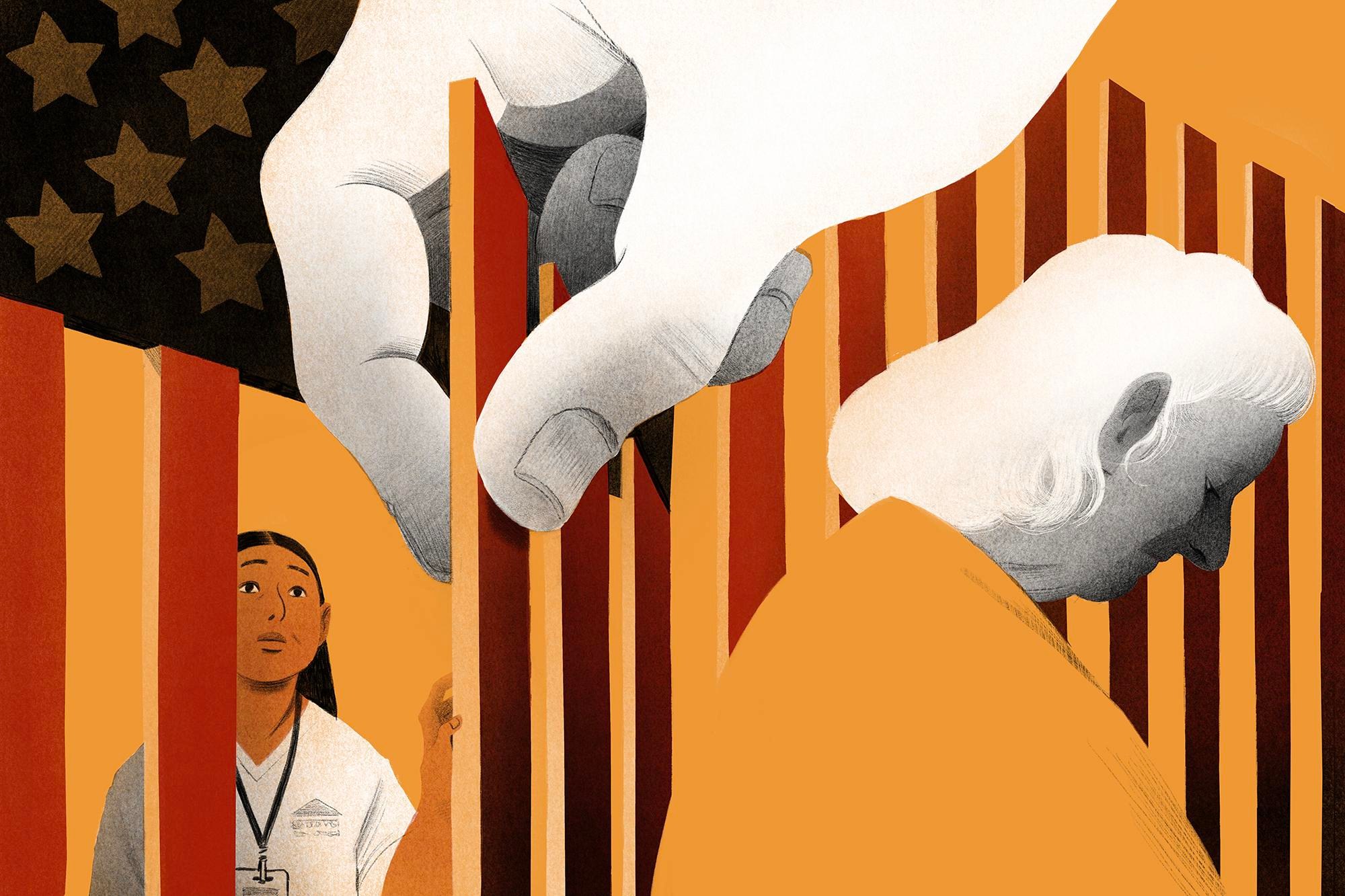
By 2036, the United States is expected to have a growing population of older adults and people with disabilities, with the number of those 65 and older increasing from 65.6 million to 77.5 million, according to the Congressional Budget Office. This aging population will require an estimated 625,000 to 1.3 million more direct care workers to maintain current levels of care, and potentially even more to address existing shortages.
These direct care workers, who help with tasks like bathing, dressing, eating, taking medication, and overall daily living assistance, either in nursing homes or at home, are primarily women and currently number around 3.62 million. They are largely paid for by Medicaid, the joint federal-state health insurance program that covers most people with limited financial resources, but also serves as the dominant payer for long-term care in the United States.
Three bipartisan-friendly proposals aim to address this need: the Dignity Act, the Careworker Visa Act, and a caregiving visa. The Dignity Act, introduced by Reps. María Elvira Salazar (R-FL) and Veronica Escobar (D-TX), offers legal status for undocumented immigrants who have been in the country since before 2021, permanent residency for Dreamers, and green card reforms.
It has gained bipartisan support and the backing of organizations like LeadingAge and the American Seniors Housing Association. The Careworker Visa Act, introduced by Rep. Gabe Vasquez (D-NM), would create a new temporary visa program allowing up to 100,000 immigrants annually to work in caregiving roles, while allowing some already in the U.S. to obtain permanent residency.
Written by urgent.news from Vox's reporting — not their text. Machine-written — may contain errors; check the original before relying on it.