What Makes a Real World Asset Useful in DeFi When Tokenization is Not Enough
For tokenized assets to become financial infrastructure every stage of its financial lifecycle must work well enough so that the next one can depend on it

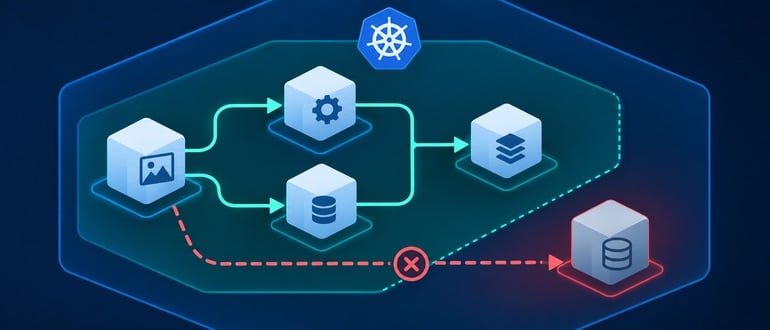
What makes a real world asset useful in DeFi? Tokenization is often seen as the key, but it's just the beginning. A tokenized asset must have legal certainty, clear ownership, and the ability to be used as collateral in financial markets. Token A, representing an asset with transparent records and clear transfer rules, can be used as collateral in DeFi.
Token B, however, represents an asset with difficult valuation and complex redemption, making it useless in DeFi. Tokenization alone doesn't determine an asset's utility in DeFi; it's the integration of legal, economic, and risk factors that truly matter. A token holder wants to know what they own, their rights, and how payments are handled, especially in the case of tokenized bonds.
For DeFi protocols, it's crucial to have predictable rules, reliable valuation, and an active market for token holders to sell their assets. Risk management is also essential, as automated liquidation processes must be in place to handle market downturns. Lastly, the asset must have an interface compatible with other applications to be truly useful in DeFi.
Building this infrastructure, from legal and custody to market and liquidity, is what truly makes a tokenized asset financial infrastructure.
Rewritten by urgent.news; may contain errors — check the original.