Tempted by snacks before bed? Here’s why – and what you can do about it
You’ve eaten dinner, you’re comfortably full, and yet half an hour later you’re raiding the kitchen cupboards. Sound familiar? Research suggests that about a third of people are snacking every night after their evening meal—for those aged 18-24, four in five are unable to resist. Dietitian Dr Kristine Beaulieu says this spells trouble. She points […]
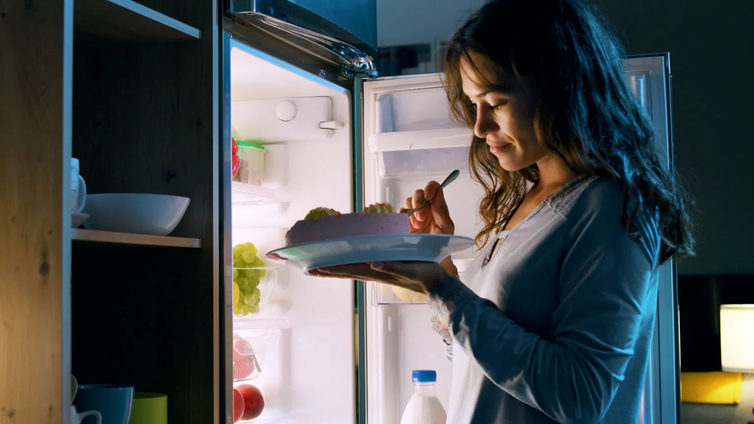
Many individuals experience the urge to snack before bedtime, with studies suggesting that around one-third of people indulge in nighttime snacking. For those aged 18-24, the rate is even higher, with four out of five individuals finding it difficult to resist the temptation. Dietitian Dr Kristine Beaulieu warns that frequent evening eating can lead to weight gain and obesity. She points to research indicating that consuming more than two hours before bedtime increases the likelihood of weight gain.
The reasons behind evening cravings are complex. Our bodies naturally have higher levels of the hunger hormone ghrelin in the evening, which can boost appetite. However, what we eat plays a significant role in satiety. Consuming meals rich in protein, fibre, and volume can keep us feeling full for longer. Inadequate nutrition or an unsatisfying evening meal can lead to a post-meal "crash," prompting snacking.
Additionally, the fear of waking up hungry during the night and habitual routines can contribute to nighttime snacking.
The appeal of high-calorie foods also increases later in the day due to the brain's reward system. Research shows that our preference for calorie-dense foods, such as those high in sugar, fat, and salt, becomes stronger in the evening. Even after a substantial evening meal, these types of foods can still stimulate the brain's reward pathways, making us crave more.
The impact of snacking on sleep is still uncertain. While large meals close to bedtime can disrupt digestion and the body's natural sleep process, the evidence on how specific evening snacks affect sleep quality is mixed. Some studies suggest that high-sugar, high-fat foods may lead to poorer sleep due to fluctuations in blood sugar levels and hormonal disruptions. However, the relationship between snacking habits and sleep quality is complex and varies among individuals.
To snack more healthily in the evening, it's essential to identify the underlying cause of the cravings. If hunger is the driving factor, focusing on filling, nutritious meals earlier in the day can help. If the snacking is habitual, adjusting routines and planning snacks in advance can be beneficial. While completely eliminating evening snacks may not be necessary, opting for healthier options like fruit, yoghurt, or nuts can help maintain better sleep quality and overall well-being.
Allowing yourself occasional treats in moderation is also acceptable, as long as healthier choices remain the default.
Written by urgent.news from Adom Online's reporting — not their text. Machine-written — may contain errors; check the original before relying on it.
This story
This is one outlet's version. Read the fullest account.