Quantifying and Visualizing the Invisible Hazard of Infant Rebreathing
BACKGROUND: Rebreathing of expired gases during prone infant sleeping contributes to hypoxic and hypercapnic exposure, even without airway obstruction. We investigated how anatomical, physiological, and environmental factors influence aerodynamic rebreathing. METHODS: A dynamically scaled in vitro model simulated prone nasal breathing corresponding to infants weighing 2 to 5 kg, with nostril…
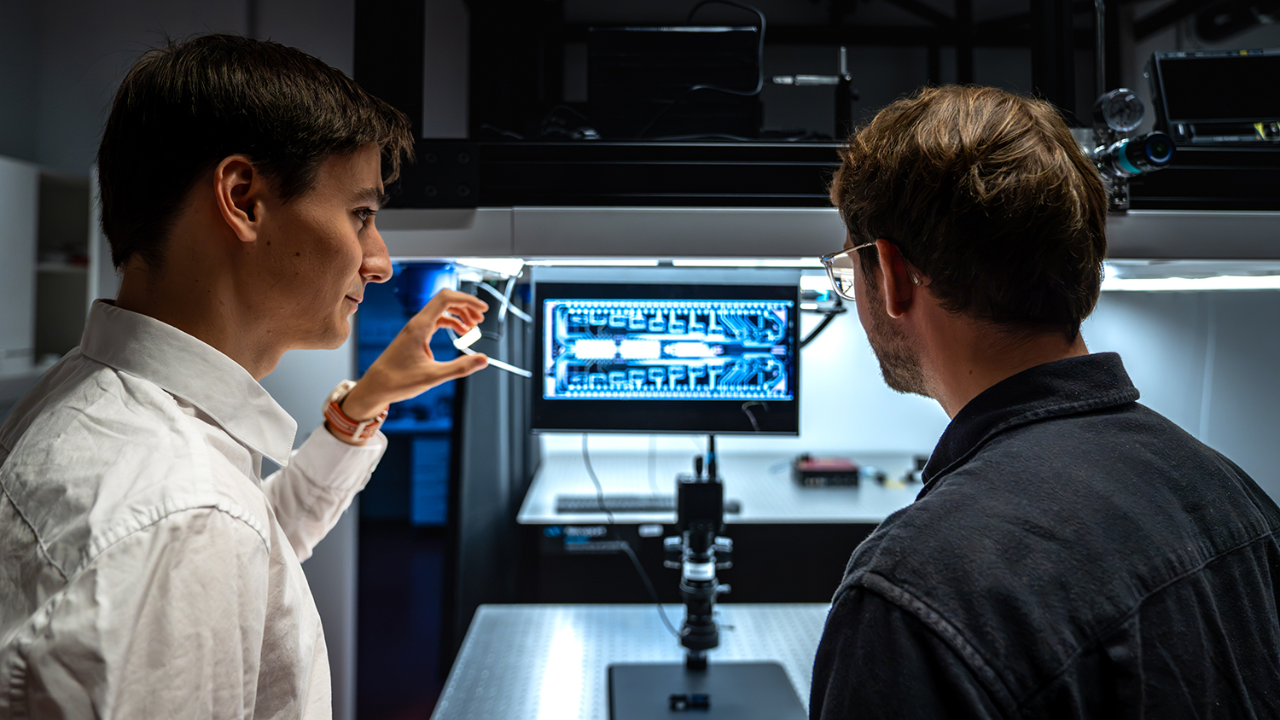
The dangers of infant rebreathing while sleeping prone were quantified and visualized in a new study. Rebreathing during nasal breathing during prone infant sleep can lead to hypoxic and hypercapnic conditions, even without airway obstruction. Researchers created a scaled in vitro model to simulate the breathing of infants weighing between 2 and 5 kg, with nostrils ranging from 3.2 to 6.0 mm in diameter and breathing frequencies between 25 and 40 breaths per minute.
They varied factors such as ambient temperature and the sleep surface to understand their impact on rebreathing.
The findings showed that rebreathing exceeded 60% of total breaths, even when nostrils remained unobstructed. Temperature played a significant role, with a rise from 23 to 30 degrees Celsius increasing rebreathing by 68 to 77%. Conversely, reducing the simulated infant's mass from 5 to 2 kg led to a 39 to 46% increase in rebreathing.
The presence of fibrous surfaces also heightened rebreathing, especially near the nasal openings. A surprising discovery was that larger nostrils, ranging from 3.2 to 6.0 mm, increased rebreathing by up to 50%.
Flow visualization revealed that vortical structures were formed, trapping expired fluid near the nasal openings. This trapped air facilitated re-inspiration, contributing to the rebreathing phenomenon. The study's conclusions align with existing safe-sleep recommendations, identifying nostril diameter as a potentially crucial anatomical factor that warrants clinical investigation.
Written by urgent.news from bioRxiv's reporting — not their text. Machine-written — may contain errors; check the original before relying on it.