Beyond elite conflicts: How state surveillance swept up lives
A massive wiretapping scandal targeting over 6,000 people, ranging from politicians to activists, reveals that Indonesia’s surveillance apparatus isn't just guarding the state. It's systematically dismantling democracy from the shadows.
A sweeping wiretapping scandal, targeting over six thousand individuals from various walks of life, has emerged in Indonesia, raising serious concerns about the erosion of democracy. Former National Police chief Gen. Listyo Sigit Prabowo and his inner circle are at the center of the alleged illegal wiretapping, but the true scope of the surveillance apparatus extends far beyond.
According to the National Police’s Criminal Investigation Agency (Bareskrim), the surveillance network captured phone numbers belonging to over six thousand people, far beyond the original targets of politicians and high-ranking officials. The Lawful Interception Management System (LIMS) server processed thousands of numbers without judicial warrants, bypassing crucial procedural checks and disregarding basic legal standards.
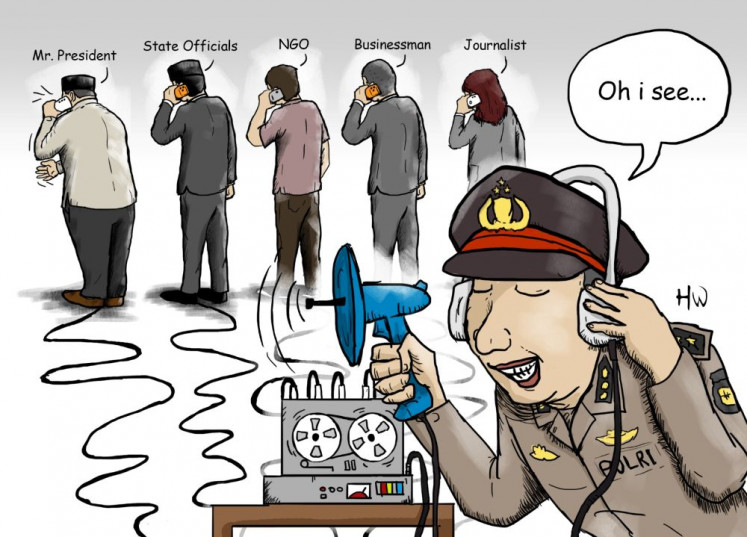
The victims of this surveillance operation were divided into five distinct clusters. The first cluster comprised senior politicians and government executives, including former president Susilo Bambang Yudhoyono and Cabinet Secretary Teddy Indra Wijaya. The second cluster involved the police's own ranks, with intelligence chief Comr.
Gen. Dedy Kusuma Bakti among the targets. Journalists, editors, and media executives were ensnared in the third cluster, followed by civil society leaders and human rights activists in the fourth cluster. Lastly, prominent entrepreneurs and business leaders rounded out the list. This diverse range of targets demonstrates that the wiretapping operation was an indiscriminate dragnet, targeting not just high-level political figures but also everyday citizens engaged in politics, media, commerce, and advocacy.
While the threat to the head of state is certainly significant, the fallout from this surveillance scandal extends far deeper, impacting civil liberties, political rights, press freedom, and the fundamental right to privacy. Such unchecked surveillance mechanisms run the risk of transforming Indonesia into a state of covert policing, designed to neutralize dissent, echoing George Orwell's dystopian warning.
The situation was further exposed in Amnesty International's May 2024 report on spyware exports to Indonesia, which revealed how state bodies quietly acquired military-grade spyware through opaque channels. Indonesians and concerned citizens are urged to share their experiences, suggestions, and feedback regarding this concerning situation.
Written by urgent.news from The Jakarta Post Academia's reporting — not their text. Machine-written — may contain errors; check the original before relying on it.
Also reported by 1 other outlet
- Beyond elite conflicts: How state surveillance swept up lives thejakartapost.com