NASA’s ESCAPADE Completes Powered Earth Flybys, Now En Route to Mars
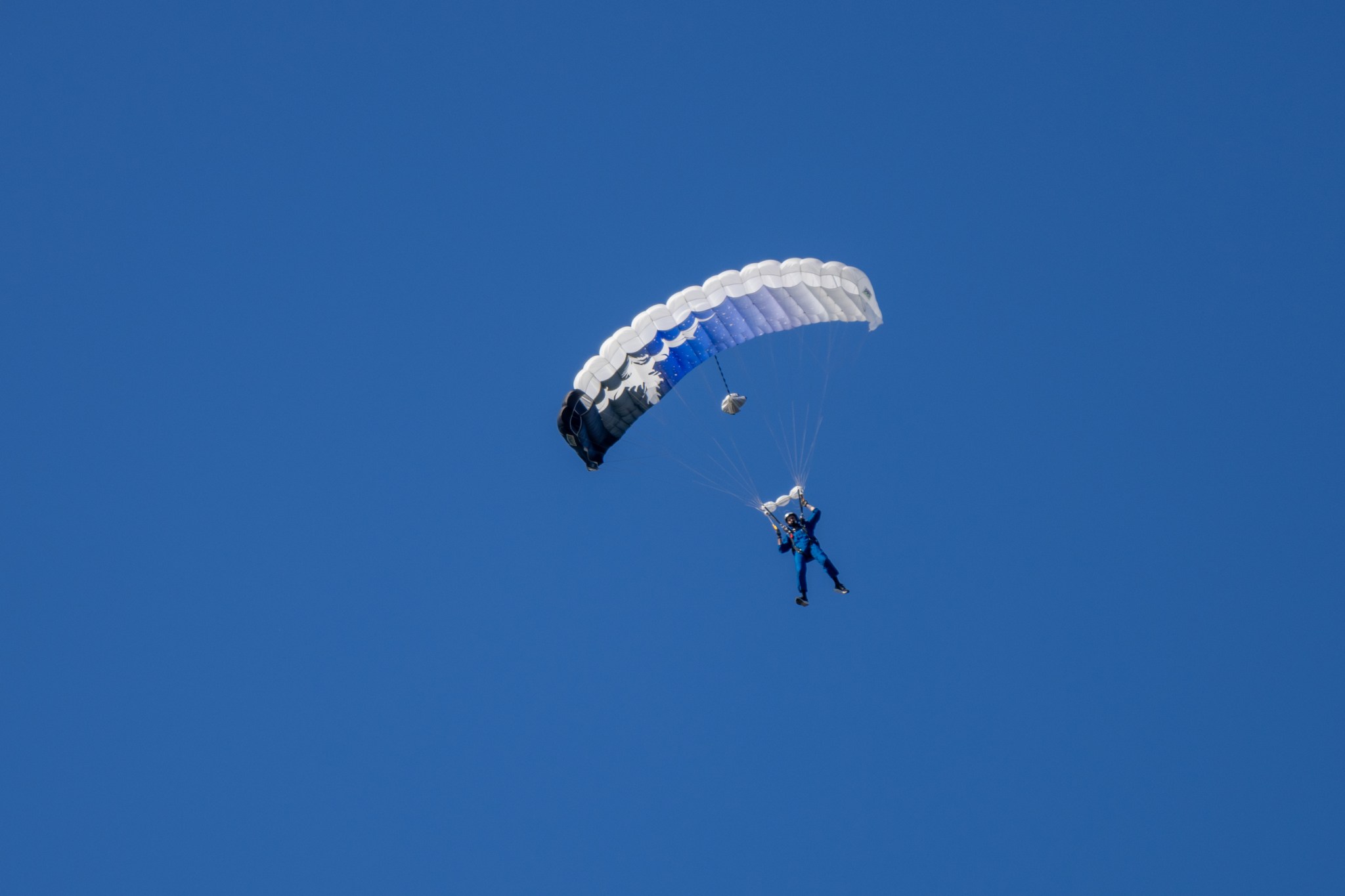
NASA’s two ESCAPADE (Escape and Plasma Acceleration and Dynamics Explorers) spacecraft have each successfully completed a powered Earth flyby, using Earth’s gravity in combination with a sustained engine burn to slingshot themselves toward Mars. With these successful maneuvers complete, the twin spacecraft are on target to reach the Red Planet in September 2027. “This is […] The post NASA’s…
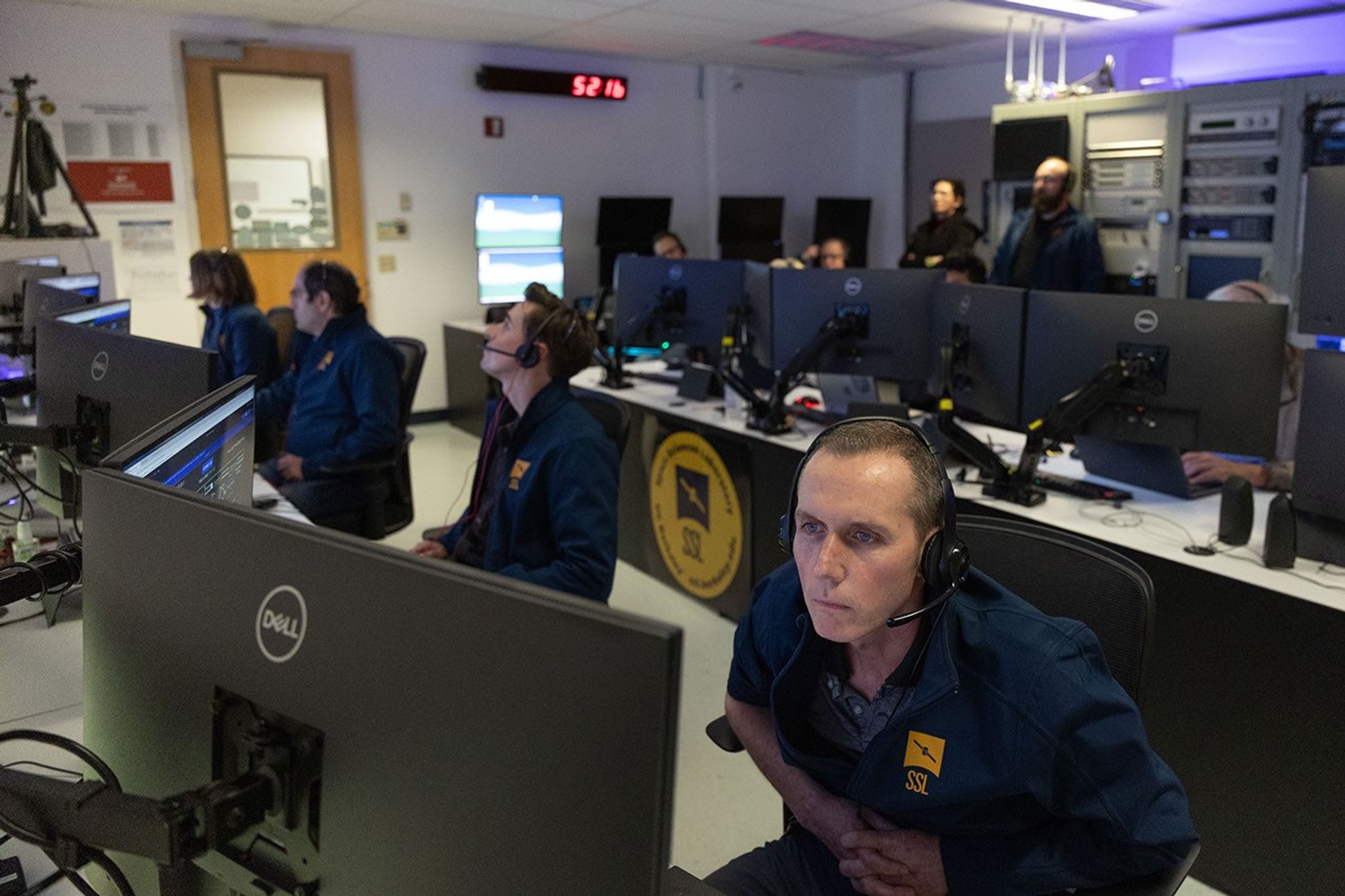
Two identical NASA spacecraft, dubbed ESCAPADE (Escape and Plasma Acceleration and Dynamics Explorers), have completed their first powered Earth flybys, using the gravity of our planet to slingshot themselves toward Mars. Acting associate flight director Asal Naseri of NASA's Heliophysics Division announced that both spacecraft flawlessly executed their complex maneuvers within a span of two days in November 2026.
The first spacecraft approached Earth at 5 a.m. EST on November 7, while the second did so two days later, at 6 a.m. EST on November 9.
The ESCAPADE mission launched from Cape Canaveral Space Force Station in Florida on November 13, 2025, when Earth and Mars were positioned on opposite sides of the Sun. Unlike conventional Mars missions, the ESCAPADE spacecraft entered a unique "Earth-proximity" orbit around the Lagrange point 2 (L2), a gravitationally balancing point about a million miles from Earth. This unique trajectory allowed the spacecraft to return to Earth in November 2026, where they took advantage of Earth's gravity to get a boost towards Mars.
Lead mission designer Jeff Parker of Advanced Space explained that this pioneering method provides flexibility in launching almost anytime and utilizes Earth's gravity to propel the spacecraft towards Mars, instead of waiting for the planets' alignment every two years. Following the Earth flybys, the ESCAPADE spacecraft will embark on a 10-month journey to Mars, with planned Mars orbit insertion burns scheduled for September 7 and 9, 2027.
Once in orbit around Mars, the spacecraft will study the interaction between the solar wind and the Martian environment, assisting in future human exploration of the Red Planet.
Written by urgent.news from NASA Science's reporting — not their text. Machine-written — may contain errors; check the original before relying on it.