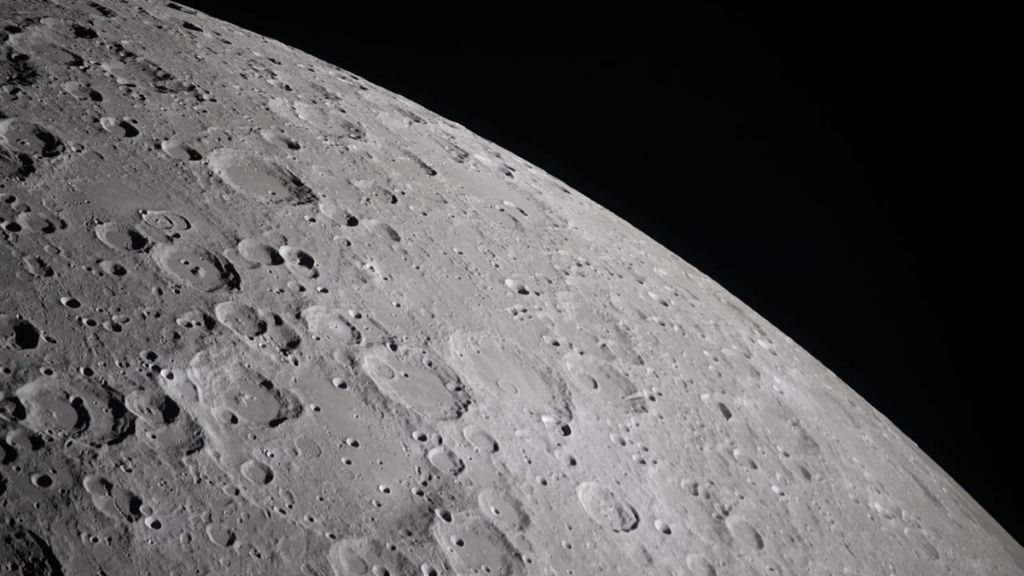
La NASA busca a la próxima generación de astronautas
Read this release in English here.La NASA busca a los exploradores que ayudarán a escribir el próximo capítulo de los vuelos espaciales tripulados. Ya está abierto el plazo de inscripción para la próxima promoción de astronautas de la agencia, que se incorporarán a la NASA en un momento en el que Estados Unidos regresa a […]
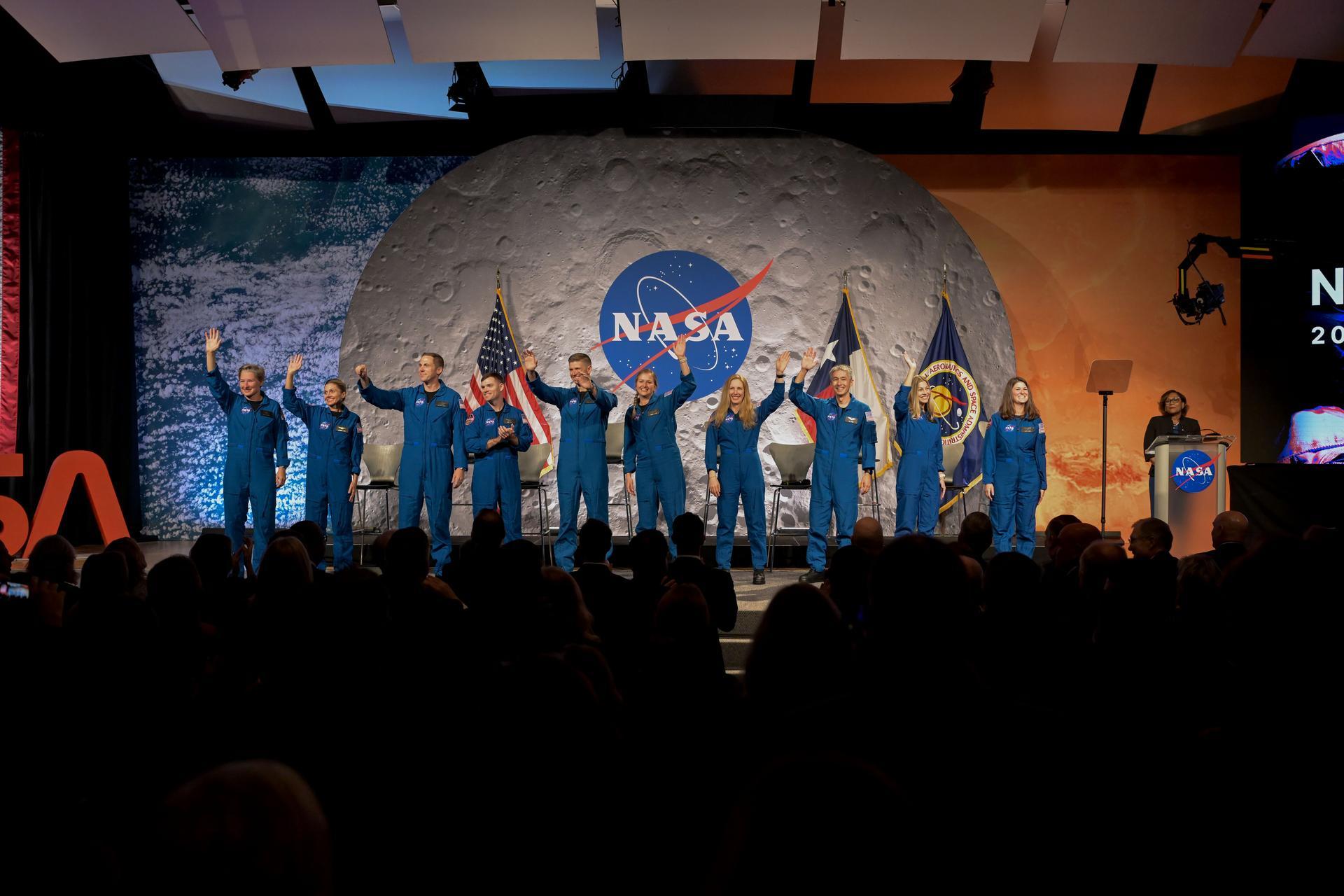
La NASA announced its selection of astronaut candidates for 2025 on September 22, 2025 at the agency's Johnson Space Center in Houston. The agency is seeking explorers to help write the next chapter of human spaceflight. The application period for the next batch of astronauts has opened, with these future astronauts set to join NASA at a time when the United States is returning to the Moon, building a lunar base and paving the way for the first crewed missions to Mars.
The next generation of astronauts will be trained to operate on the lunar surface, live and work off the Earth, and carry out missions that will push the boundaries of exploration farther than ever before. U.S. citizens interested in joining the astronaut corps must submit their complete application by 11:59 p.m. EST (Eastern Time) on Thursday, December 3, to https://go.nasa.gov/3WyvlQi.
"This is an extraordinary moment to join the NASA astronaut corps," said NASA Administrator Jared Isaacman. "The people we select could walk on the Moon, live and work at the Lunar Base, and help develop the systems and operations that ultimately take crews to Mars. These missions will require technical excellence, good judgement, teamwork, and courage.
The NASA astronaut corps has always drawn upon exceptional Americans willing to take extraordinary challenges in service to the nation. If you want to join that tradition, come help us write the next chapter of humanity's greatest adventure." NASA expects to make its final selection by the end of 2027 to begin training the next batch of astronaut candidates.
"The opportunity window is open. The mission awaits. And the only thing standing between you and the greatest adventure humanity has ever undertaken is you," said NASA Deputy Administrator Matt Anderson. The agency last opened the call for applicants in 2024. Of the more than 8,000 applicants in 2025, 10 astronaut candidates were selected, currently completing almost two years of training.
"For those applying, becoming a NASA astronaut is more than a professional opportunity," said Chief Astronaut and NASA Space Flight Branch Leader at the Johnson Space Center, Scott Tingle, in Houston. "It's an opportunity to be part of a legacy of explorers who have pushed the boundaries of knowledge and play a role in missions that will shape the future of humanity in space.
The next generation of astronaut candidates could help write history while inspiring future scientists, engineers, and explorers." Since the 1960s, NASA has selected 370 individuals to train as astronaut candidates for its increasingly demanding missions. The agency currently has 32 active astronauts, and selected candidates will join their ranks to train in spacewalks, lunar geology, high-performance aircraft handling, and much more.
Basic requirements for applying include U.S. citizenship and a master's degree in a STEM field — such as engineering, biological sciences, physical sciences, computer science, or mathematics — from an accredited institution. The master's degree can also be satisfied through: Completing at least two years of study in a relevant doctoral program in engineering, biological sciences, physical sciences, computer science, or mathematics.
Holding a medical degree, osteopathic medical degree, physician assistant, nurse practitioner, family practice nurse, or any other related medical credential. Completing or currently enrolled in a nationally recognized test pilot school program, provided the program is completed before July 2027. If the Test Pilot School is the only higher technical degree, a bachelor's degree in a STEM field, such as engineering, biological sciences, physical sciences, or computer science, is required.
Candidates must also have at least three years of related professional experience after obtaining the required degree. Pilots must complete at least 750 hours of flight time as a pilot in command of high-performance jets. Other fixed-wing aircraft: 1,500 total flight hours, including 750 hours as pilot in command. Helicopters: 1,000 total flight hours, including 300 hours as pilot in command.
Medical doctors must complete their residency period as part of the professional experience requirement and must complete it before July 2027. Astronaut candidates must pass NASA's medical exam for long-duration spaceflight and demonstrate strong leadership, teamwork, and communication skills. Since its inception, the NASA astronaut corps has represented the best of American ingenuity, expertise, and determination, conducting missions that achieve the almost impossible and expanding humanity's knowledge of Earth, the Moon, and beyond.
As part of an era of innovation and exploration, NASA will send astronauts on increasingly complex missions near the lunar South Pole to explore the Moon like never before. In addition to bringing economic benefits and advancing scientific understanding through its Artemis missions, NASA will establish a permanent presence on the Moon as part of this golden age of exploration.
Written by urgent.news from NASA's reporting — not their text. Machine-written — may contain errors; check the original before relying on it.