Investing where Malaysians can age in comfort and confidence
Malaysia does not need to choose between commercial discipline and doing good - the strongest care investments will require both.
Malaysia's 2027 budget boosts preparations for a longer lifespan among its residents. The government-linked investment companies plan to inject RM25 billion into the economy, providing an ideal moment to explore how housing, care, healthcare, technology, and services can all work together to support older Malaysians. The goal is to turn this momentum into dependable services families can trust.
The population aged 60 and above in Southeast Asia was 74.4 million in 2020 and is expected to reach 127 million by 2035. In Malaysia, this demographic stood at 4.2 million in 2026, representing 12.3% of the total population. These numbers underscore the urgency of focusing on healthy aging as an immediate infrastructure and investment priority.
The finance ministry's call to invest responsibly in the longevity economy is a vital starting point. The proposals currently under development should be guided by the purpose of preserving independence, adapting to changing needs, and creating enduring value for families and investors alike. The focus should begin with the individual rather than the building.
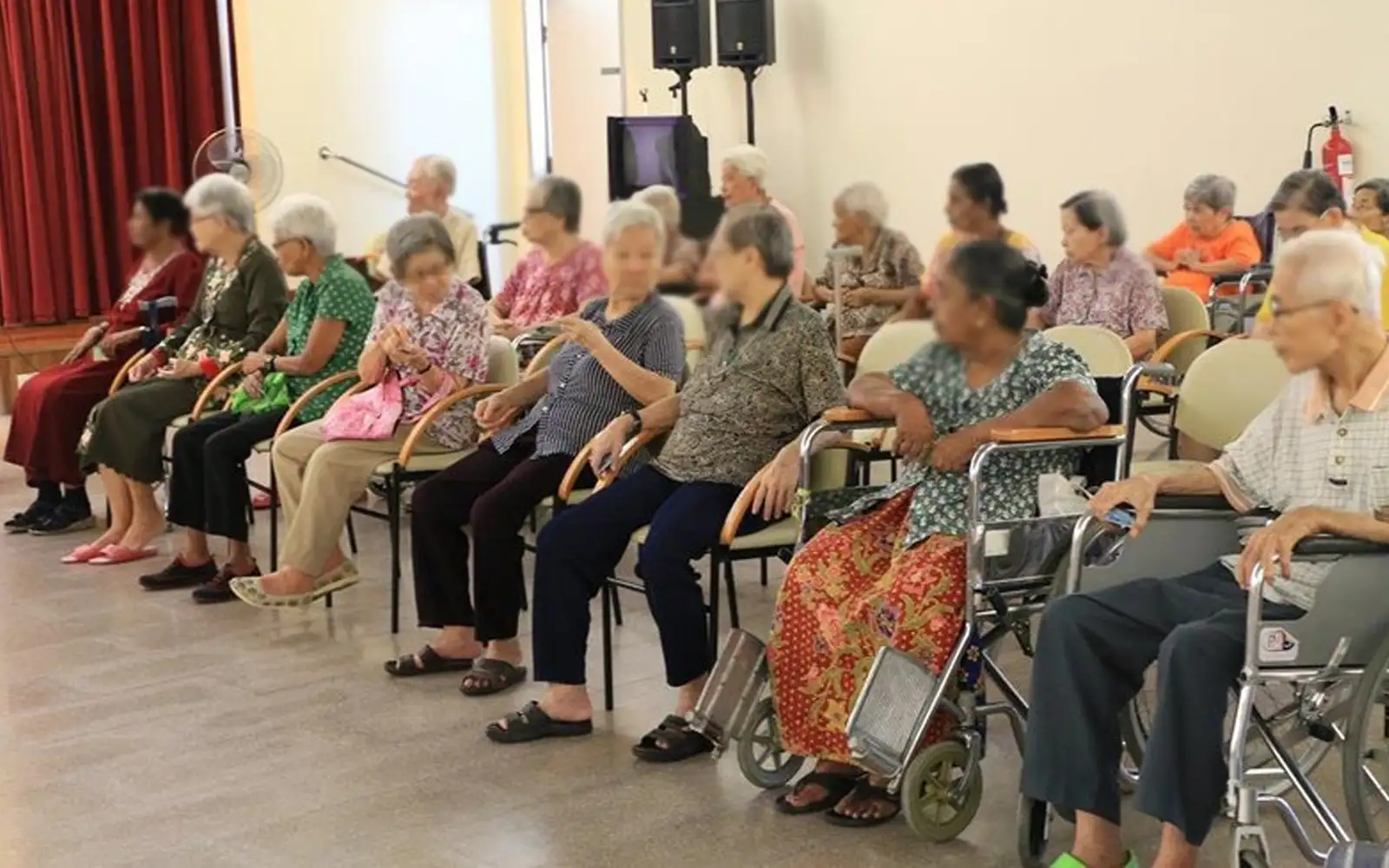
According to the National Health and Morbidity Survey 2025, 60% of older Malaysians were pre-frail, amounting to about 2.4 million people, while another 10.7% were already frail. These figures highlight the need for earlier support to prevent greater dependency. Most individuals aspire to maintain their independence and connection to familiar surroundings for as long as possible.
As their needs evolve, either gradually or suddenly due to illness or a fall, a robust care system must offer flexibility, ranging from in-home support to more intensive assistance. This includes day services, rehabilitation, home nursing, assisted living, and residential care.
The surroundings play a crucial role too. What was once comfortable at 45 may become challenging at 75. Stairs, maintenance, transport, and access to healthcare can become barriers. This doesn't necessarily mean someone requires residential care; the environment may simply need adaptation to maintain independence.
The property sector should extend beyond providing more retirement units. Adaptable homes, accessible public spaces, walkable neighborhoods, and connections to healthcare and community services can help individuals remain active and engaged. Independence should be considered in terms of both the living environment and the lifestyle a person leads.
This perspective influences development, emphasizing the importance of well-designed buildings that remain useful as residents' needs change. Early collaboration between developers, care operators, and families can ensure the building's design, staffing, and support align with future needs.
Clear information about services and costs is essential for families to make confident decisions. For families, the most critical question is whether the living arrangement will still be suitable when that loved one requires additional assistance. These factors also bolster the investment case, highlighting the need for local demand, sustainable pricing, staffing, governance, and long-term maintenance.
The reduction in service tax on elderly care and the exemption announced in the 2027 budget provide families with welcome relief. These measures should be considered alongside affordability across various needs, from accommodation and daily living to more intensive care. Middle-income and lower-income households must be part of this planning process, and affordability cannot be an afterthought.
Developers, care providers, insurers, employers, and policymakers must collaborate to explore practical ways for people to pay for support at different stages of their needs. Community services, rental options, and supported access can complement ownership models, supported by local evidence and sustainable funding.
The proposed Senior Citizens Bill further emphasizes the importance of clear responsibility, transparent fees, accessible complaints procedures, and standards that can be monitored. This legislation helps build confidence among families, operators, and investors. Assessing progress should go beyond counting beds built and units sold, focusing on residents' social connections, consistent care, timely support, and staff development. These outcomes demonstrate whether the investment is genuinely improving everyday life.
The combined experience of both reporters, Sri Nadarajah and Khin Nadarajah, highlights the need for a balanced approach that merges commercial discipline with genuine care. Institutional capital, government support, communities, and responsible private operators all play a part in creating dependable homes and services for older Malaysians.
With local insights, adaptable design, and clear responsibilities, Malaysia can build a future where its residents remain independent and well-supported, regardless of their evolving needs.
Written by urgent.news from Free Malaysia Today's reporting — not their text. Machine-written — may contain errors; check the original before relying on it.
This story
This is one outlet's version. Read the fullest account.
- Investing where Malaysians can age in comfort and confidence freemalaysiatoday.com