Investing where Malaysians can age in comfort and confidence
Malaysia does not need to choose between commercial discipline and doing good - the strongest care investments will require both.
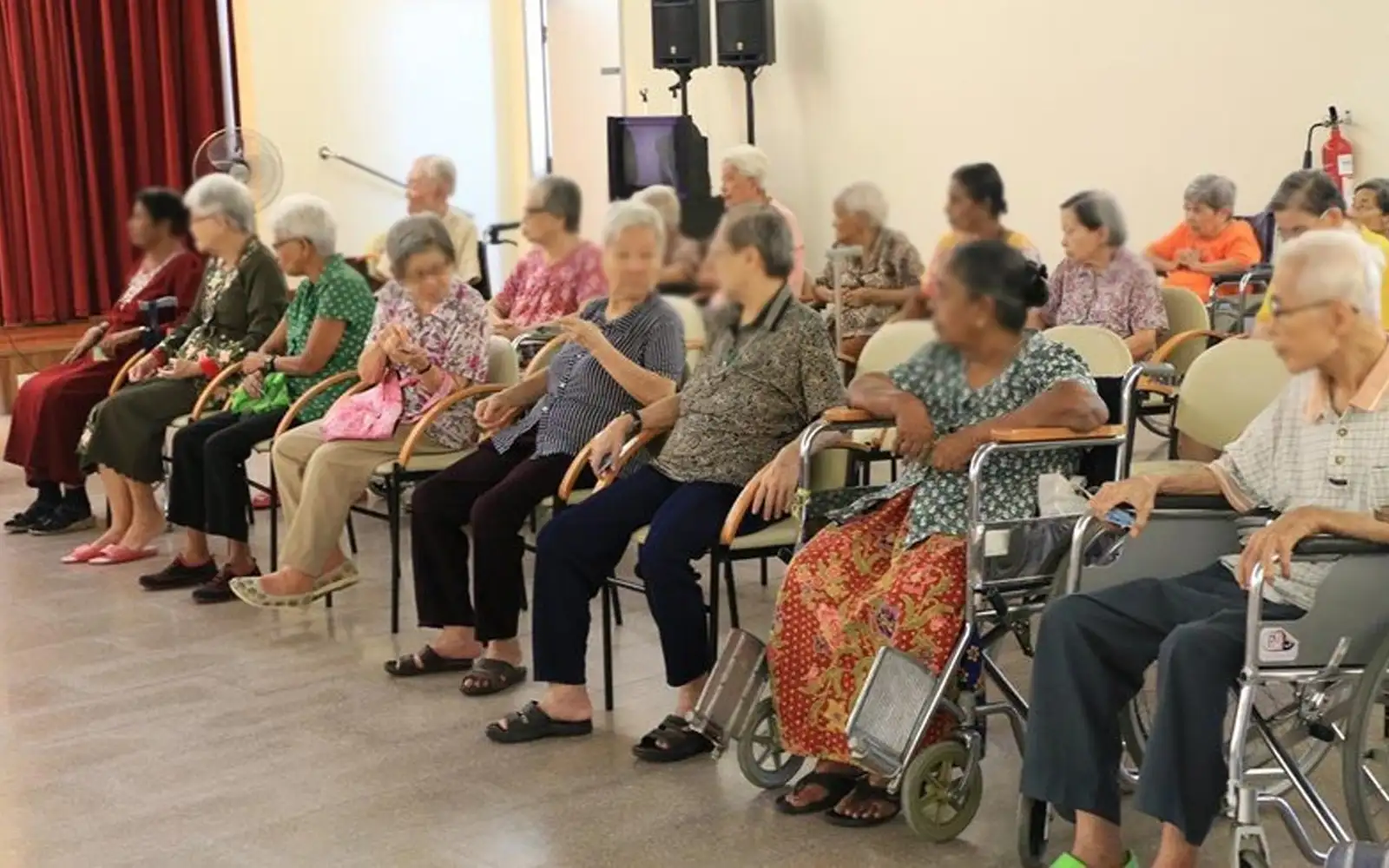
The 2027 Malaysian budget is focusing its investment commitments on addressing the needs of an aging population. With a projected increase in the number of people aged 60 and over from 74.4 million in 2020 to an estimated 127 million by 2035, the country must act fast to prepare for longer lives. Finance Minister's call for responsible investment in the longevity economy is a good starting point.
The statistics department estimates that there were already 4.2 million Malaysians aged 60 and above in 2026, making up 12.3% of the total population. These figures underscore the need for healthy aging to be an immediate infrastructure and investment priority.
The National Health and Morbidity Survey 2025 found that 60% of older Malaysians were pre-frail and 10.7% were already frail. This highlights the importance of providing earlier support and interventions before dependency increases. People generally hope to remain independent and connected to familiar surroundings for as long as possible. Their needs may change gradually or suddenly due to illness or a fall.
A useful care system should offer choices ranging from living at home with support to receiving more intensive help. This includes day services, rehabilitation, home nursing, assisted living, and residential care. The surroundings also play a crucial role. A home that was comfortable at 45 may become harder to manage at 75, due to factors such as stairs, maintenance, transport, and access to healthcare.
The property sector can contribute by creating adaptable homes, accessible public spaces, walkable neighborhoods, and connections to healthcare and community services. Independence should be understood not only through the place where someone lives but also through the life they can lead. This means that a well-designed building must be useful as residents' needs change over time.
Collaborating early with care providers can help align design, skilled staffing, and the support families may need in the future. Clear information about services and costs helps families plan with greater confidence. Local demand, sustainable pricing, staffing, governance, and long-term maintenance are all important factors to consider.
The reduction in service tax on elderly care and the exemption announced in the 2027 budget offer welcome relief for families. These measures should be part of a broader planning effort that takes into account affordability across different stages of care needs. Developers, care providers, insurers, employers, and policymakers each have a role to play in exploring practical ways for people to pay for support.
Training more people in elderly care is also essential. The proposed Senior Citizens Bill emphasizes the importance of clear responsibility, transparent fees, accessible complaints procedures, and standards that can be monitored. Measuring progress should go beyond the number of beds built or units sold, focusing on residents' social connections, consistent care, timely support, and staff development.
Written by urgent.news from Free Malaysia Today's reporting — not their text. Machine-written — may contain errors; check the original before relying on it.
Also reported by 1 other outlet
- Investing where Malaysians can age in comfort and confidence freemalaysiatoday.com