COP31: Q&A: Ana Toni on the fossil-fuel transition roadmap
The CEO of COP30, says the new plan helps countries gauge their dependence and pick policies that suit them The post COP31: Q&A: Ana Toni on the fossil-fuel transition roadmap appeared first on Dialogue Earth .
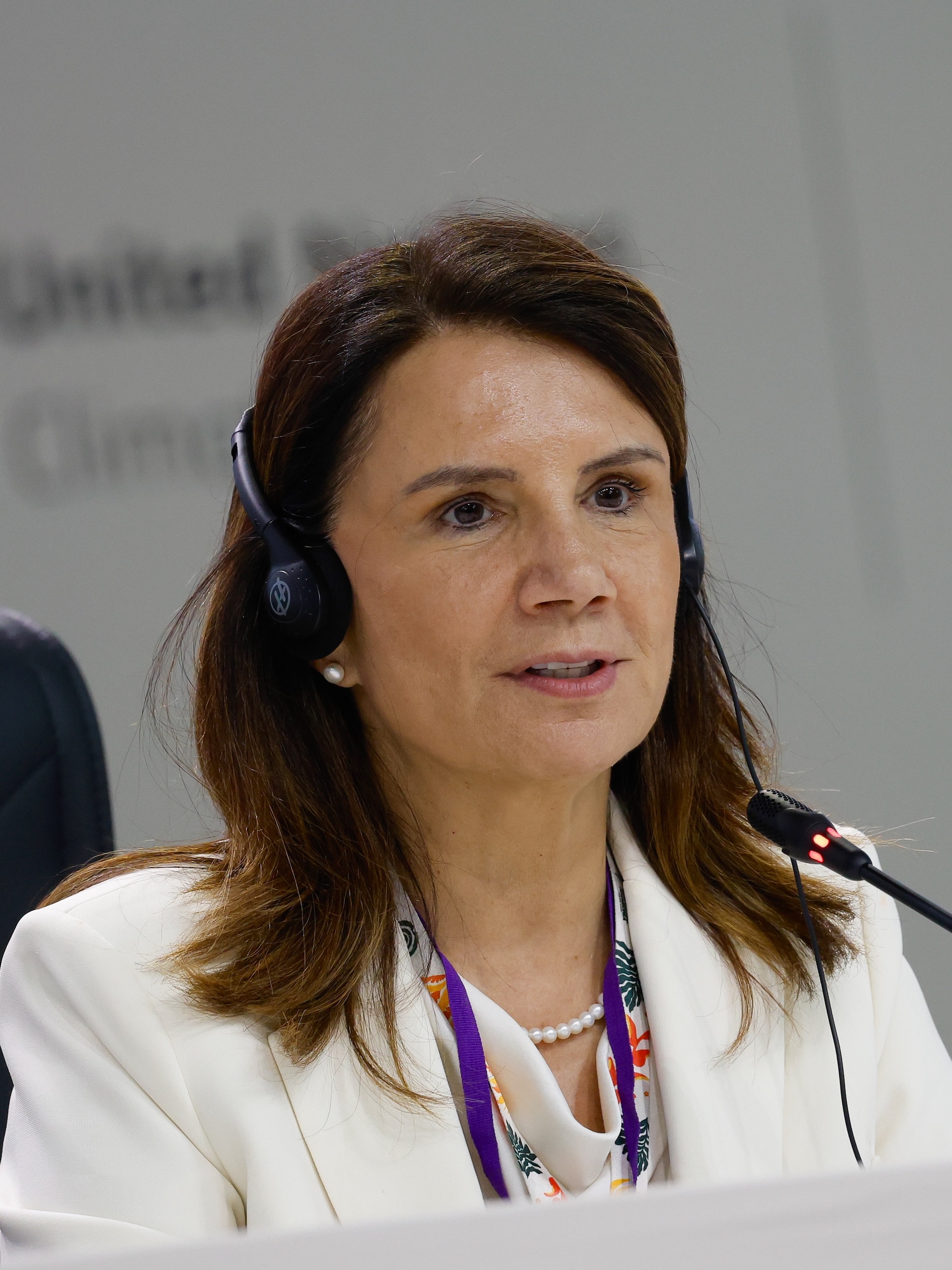
Ana Toni, CEO of last year's COP30 climate conference in Brazil, has been instrumental in developing the Roadmap for Transitioning Away from Fossil Fuels. This roadmap, launched in November, asks each country to assess its dependence on fossil fuels and readiness to transition, using a self-assessment tool. It then suggests policy options tailored to each country's unique circumstances over a 10-year period ending in 2033.
While countries are not required to follow the recommendations, the presidency hopes they will use the roadmap to create their own national plans. Three countries - France, the Netherlands, and Germany - have already done so. The roadmap is crucial for addressing the issue of fossil fuel reduction and stopping the burning of these fuels, which is necessary to prevent the worst impacts of climate change.
However, UN climate conferences have struggled to clearly express this need in their final documents. At COP30, a large group of countries pushed for the roadmap, but opposition from other countries prevented its inclusion in the official UN document. Instead, the presidency decided to create it outside the UN process. The roadmap, informed by the first international conference on transitioning away from fossil fuels held in Colombia, acknowledges that different countries start from different positions, with varying energy resources and capacities.
For example, China heavily relies on coal while rapidly expanding its renewable energy sector, while Brazil already gets around 90% of its electricity from renewable sources. The roadmap includes a readiness index and different country archetypes to help countries understand their level of dependence on fossil fuels and identify the most relevant policy options for their specific circumstances.
The roadmap can assist countries with different starting points in planning the transition, providing guidance on policies and levers to move forward.
Written by urgent.news from Dialogue Earth's reporting — not their text. Machine-written — may contain errors; check the original before relying on it.