Community Members Test Oklahoma Waters
What’s in Your Water? engages local residents in monitoring Oklahoma’s waterways and helps fill gaps in state water quality data.
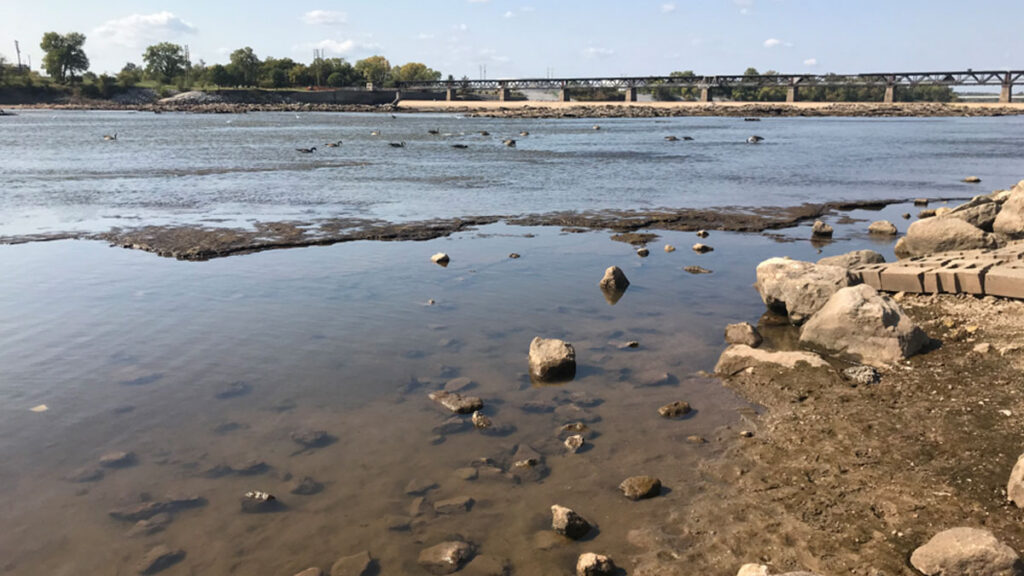
Nearly half of Oklahoma's surface waterways are deemed compromised or impaired, with water quality levels insufficient for designated uses such as supporting aquatic life and recreation. Insufficient funds for monitoring water quality and gaps in available data present challenges in accurately assessing water conditions statewide.
To increase reliable datasets and fill gaps in coverage, Haygood and Halihan propose community science projects. One such project, "What's in Your Water?," collected over 100 water samples from 20 counties in Oklahoma. Community scientists measured variables such as alkalinity, conductivity, total dissolved solids, temperature, and levels of metals like lead and mercury.
These community-generated data bolstered existing state monitoring efforts by offering additional measurements across diverse locations and sampling periods. Project scientists trained community members to collect water quality measurements using standardized procedures adapted for fieldwork using portable equipment. Participants documented their findings on an online form, enabling scientists to analyze the collected data.
Sampling locations were selected based on accessibility, local concerns, and the potential to supplement existing monitoring systems. Following each sampling session, participants received educational materials and opportunities to continue sampling independently. Subsequently, project scientists organized workshops and established connections with K–12 schools, maintaining virtual engagement with participants even after the initial project concluded.
To assess the reliability of the project's collected data, researchers compared water temperature measurements with records from U.S. Geological Survey monitoring stations. Both datasets exhibited cooling trends. However, comparisons for other measurements were not possible due to limited state recording data in the region. The authors emphasize that successful projects necessitate reliable measurements, accessible participation options, clear communication, and a plan to sustain the work beyond the funding period.
These examples illustrate how community science can broaden water quality monitoring opportunities while empowering local communities to identify and investigate environmental concerns.
Written by urgent.news from Eos's reporting — not their text. Machine-written — may contain errors; check the original before relying on it.