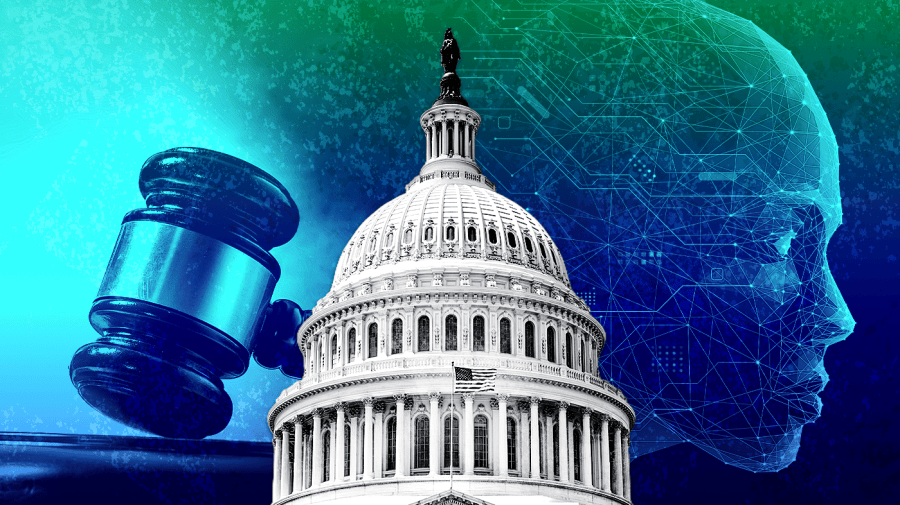
A transitioning Congress finds itself in a pickle on AI data centers
Politicians are walking a tightrope when it comes to regulating AI.

As Congress reconvenes in Washington this week, the insatiable appetite of artificial intelligence for massive power demands has reignited a debate over data center infrastructure. In a bid to expedite energy project approvals, a Senate procedural vote is set to consider a bipartisan bill that would impose stricter regulations on large data centers while holding them accountable for the costs they impose on the power grid.
While the legislation aims to regulate the burgeoning AI industry, some Democrats fear it could inadvertently spur further data center construction. The recent midterm elections saw voters expressing a strong desire to halt or limit data center development in their communities, with local officials responding by pushing back against these facilities.
Last year, Silicon Valley prioritized building larger and quicker data centers without much regard for community concerns. However, the new Democratic Congress faces the challenge of reconciling their pro-restriction stance with the potential consequences of hindering AI innovation. If the pending bill leads to more restrictions, incoming lawmakers will need to explain why they are reversing their previous campaign promises to prevent data center development.
The risk lies in pushing too aggressively for restrictions on AI, as it may slow down the rollout of new technology. While some slowdown may be unavoidable due to the lack of adequate data centers, electricity, and computing capacity, there is also a possibility that tech giants like Silicon Valley will respond strategically. They may argue that without sufficient data centers, features like ChatGPT, Claude, and Siri will not continue to improve at the rapid pace consumers expect.
On one hand, residents have legitimate concerns about the financial burden placed on them by multibillion-dollar AI companies. Rising electricity rates, grid upgrades, and higher utility bills have made many question the long-term affordability of these technological advancements. Communities are understandably frustrated with the mounting costs of other necessities like gas, groceries, and housing.
However, it is essential to acknowledge the economic benefits that data centers can bring to communities. While they may not directly employ low-skill workers, AI companies can contribute by funding local infrastructure projects that immediately put existing workers to work. The influx of high-paying AI technicians also injects new tax revenue into the community, stimulating growth for local businesses such as restaurants and shops.
Ultimately, it is crucial for both AI companies and local governments to find a balance between protecting residents and reaping the economic rewards of technological investment. Companies that wish to build data centers should actively contribute to the economic well-being of the communities they choose to host. By doing so, they can mitigate potential resistance and ensure a harmonious coexistence between technological progress and community welfare.
Written by urgent.news from Mashable's reporting — not their text. Machine-written — may contain errors; check the original before relying on it.