5,000-year-old underwater peat reefs off Mozambique teem with marine life
Submerged ancient peat forests off Mozambique's coast have transformed into vibrant marine ecosystems, offering vital habitats for diverse marine life. As rising sea levels allowed these forests to sink, they have now integrated with coral reefs, enhancing local biodiversity. The carbon-rich legacy of these underwater realms also holds significant implications for climate strategies, highlighting…
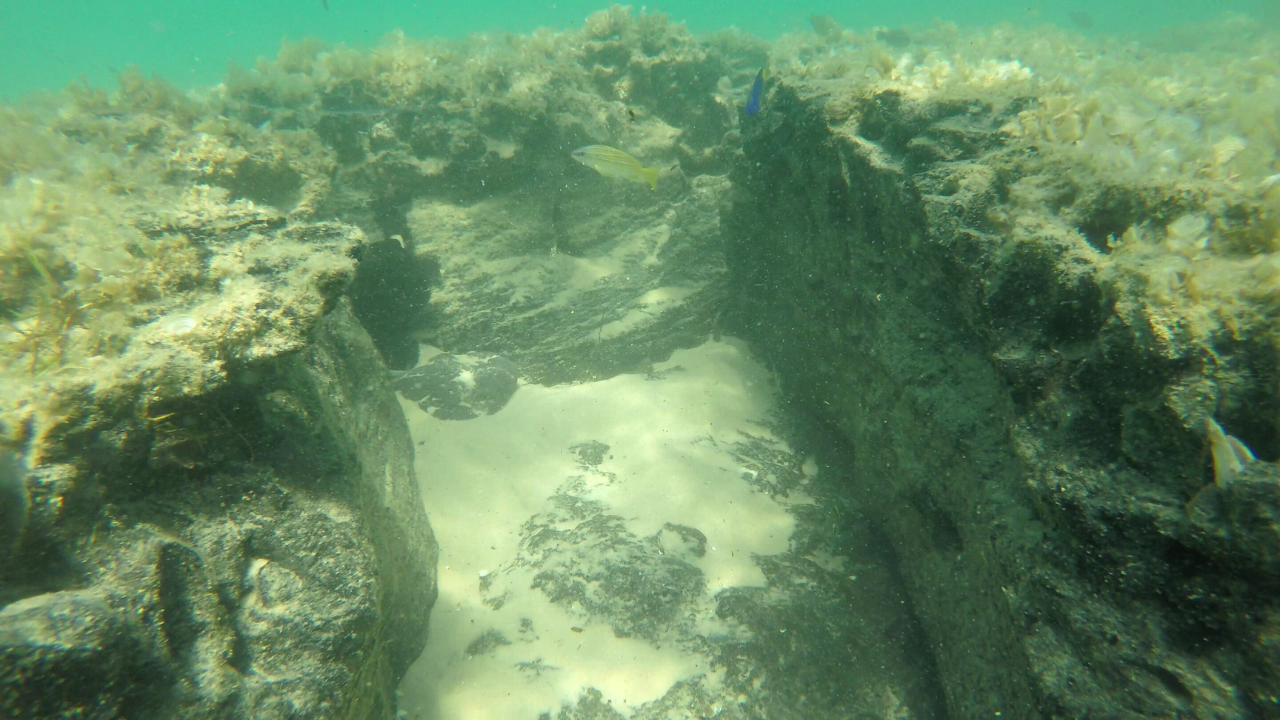
Scientists have discovered 5,000-year-old underwater peat reefs off the coast of Mozambique that are teeming with marine life. These ancient forests, which were submerged after the last Ice Age, have transformed into modern marine ecosystems. The peat reefs, located near Bazaruto, are formed from the remains of trees that died thousands of years ago and were buried in waterlogged conditions.
Scientists found that these reefs support a diverse array of marine species, including small fish, sponges, oysters, and larger animals like sharks and rays. While coral reefs are dominated by living coral, peat reefs are dominated by exposed peat, algae, and seagrass. The researchers found that many of the same animal species are found in both peat and coral reefs, indicating that peat reefs serve as important habitats for marine life.
The peat reefs also contain up to 40% organic carbon by dry weight, making them a significant source of "blue carbon" – carbon stored in coastal and marine ecosystems. These reefs are not static features, but are subject to change due to storms, tides, and currents, which can expose new patches or alter the habitat structure. The researchers argue that peat reefs should be included in coastal and marine conservation planning, as they currently lack recognition in many conventional frameworks.
Written by urgent.news from Times of India's reporting — not their text. Machine-written — may contain errors; check the original before relying on it.