1 in 4 data centers sits in a water-stressed area — here’s what that means for nearby communities
A quarter of data centers are in water-stressed areas, a study finds. Here’s what that could mean for local supplies as AI infrastructure expands.

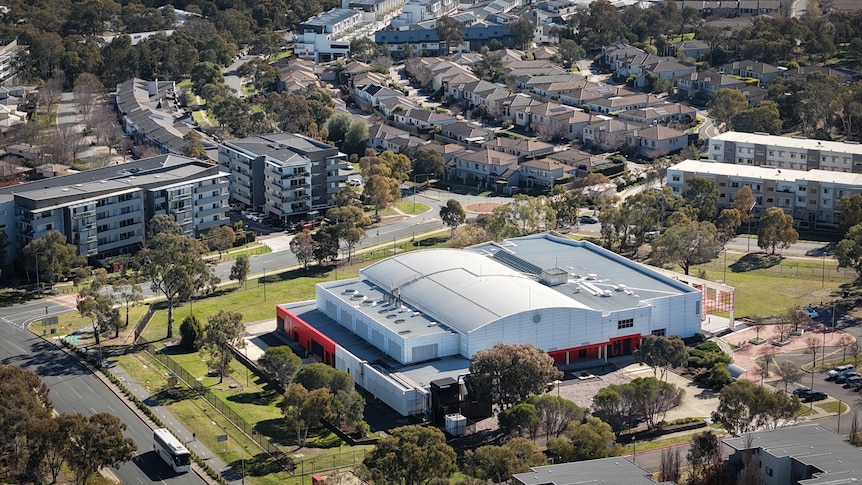
Approximately one in four data centers are situated in regions where water demand surpasses local supply for at least a month annually, according to research published in Environmental Science & Technology. Data centers rely on water to cool their equipment; in evaporative cooling systems, some of the water evaporates instead of returning to the local water system.
Electricity generation and hardware manufacturing also contribute to a data center's water footprint. Lorenzo Rosa, lead author of the study, noted that data center water demand peaks during hot, dry periods when local supplies may be strained, putting additional pressure on utility infrastructure. Out of the nine thousand-plus data centers identified, nearly a quarter are located in water-stressed areas, highlighting the need for communities to assess whether their water systems can accommodate new data center customers during dry summers.
Cities account for around 41% of the facilities studied, while agriculture is the primary user at 28%. To better evaluate proposed projects, communities need clear answers about a data center's cooling water source, summer water use, and plans for drought. Transparency from operators about water usage and any required infrastructure upgrades can help residents make informed decisions before approving a facility.
Written by urgent.news from Tom's Guide's reporting — not their text. Machine-written — may contain errors; check the original before relying on it.