Ozone hole bigger than North America hits a 10-year high: what NASA says happens next
The hole in the ozone layer above Antarctica has grown to its biggest size in 10 years, covering an area […]
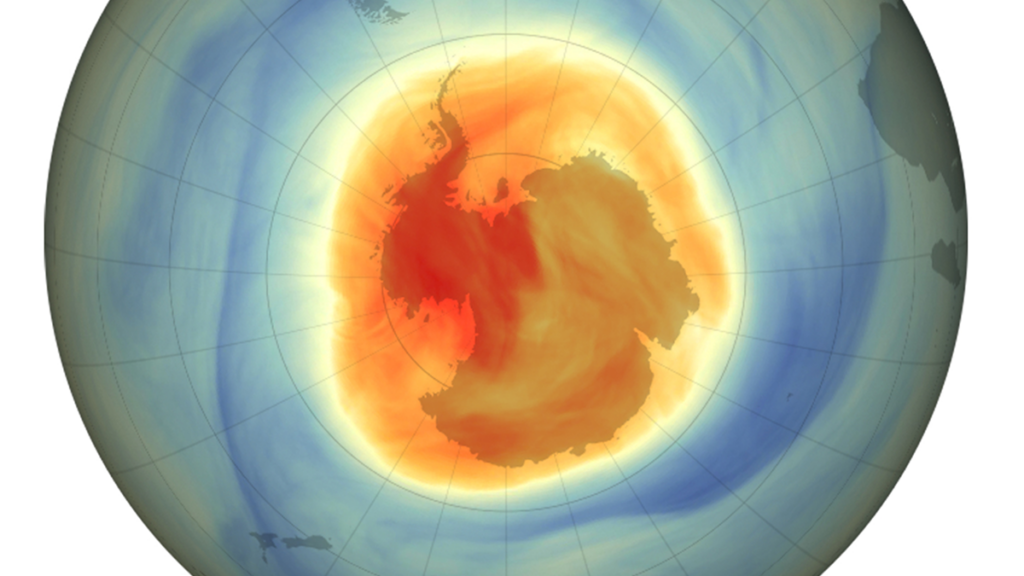
The Antarctic ozone hole grew to its largest size in a decade, covering an area bigger than North America on September 18. NASA and NOAA analyzed the cause, measurement, and recovery timeline of this year's extensive ozone depletion. The hole peaked at 27.1 million square kilometers on September 18, averaging 25 million square kilometers between September 7 and October 13.
It reached 90% of the size of the largest hole recorded in 2000, but wasn't as deep as previous record-breaking holes from the 1990s. The size of the hole was influenced by an unusually stubborn polar vortex, weak weather patterns, and a notable decrease in ozone-depleting chemicals from the 1980s. Scientists predict the ozone layer will recover by the 2070s, but anticipate seasonal variations in its size each year as it heals from decades of human-made damage.
Written by urgent.news from Euro Weekly News's reporting — not their text. Machine-written — may contain errors; check the original before relying on it.
This story
This is one outlet's version. Read the fullest account.