French blood banks hacked in latest cyberattack
AgenciesFrance’s national blood service has said hackers accessed control systems and boosted temperatures at three cold stores stocking vital blood products, in an apparent escala...
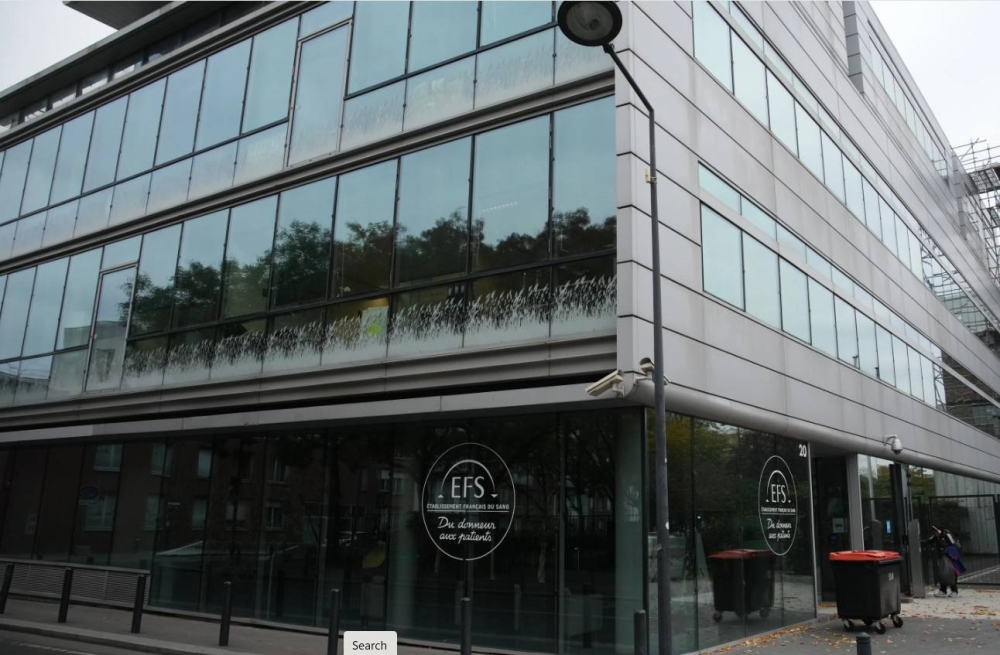
France’s national blood service, known as the EFS, has reported that hackers gained access to control systems and raised temperatures in refrigeration units storing essential blood products. This is believed to be an escalation of recent cyberattacks targeting refrigerators and freezers across Europe. The EFS stated that the alarm systems enabled technicians to prevent any damage to the blood products.
The French blood service is responsible for collecting, testing, preparing, and distributing blood, plasma, and platelets to over 1,900 hospitals nationwide, serving more than a million patients annually.
The attack occurred overnight on Monday and coincided with incidents in supermarkets across nearly a dozen European countries, where fridge and freezer temperatures soared up to 50C (122F), causing significant food damage valued at millions of euros. Retailers in Italy, Germany, Romania, and the UK were among the targets on Tuesday, following attacks in Belgium, Estonia, Ireland, Finland, Luxembourg, the Netherlands, and Sweden the previous day. In France, hackers previously infiltrated cooling units in up to 700 supermarkets last month.
A regional branch of France’s Crédit Mutuel bank disclosed a cyber-attack on Wednesday, and a similar situation may have occurred in the US in early August, where mysterious fridge malfunctions affected commissaries at at least six military bases, prompting the Pentagon to launch an investigation. The European Union is convening urgent discussions with national authorities to devise a collective response, according to an EU spokesperson.
While the motive behind these attacks remains unknown and no group has claimed responsibility, cybersecurity experts warn of a growing threat due to the increasing number of internet-connected devices, including commercial refrigeration systems, susceptible to hacking. Without timely patches to address emerging vulnerabilities, code remains exposed to hackers.
Authorities and experts are concerned about the possibility of state-sponsored hybrid attacks following Russia’s 2022 invasion of Ukraine. Some Western intelligence officials suggest Moscow is waging a campaign of sabotage in Europe, employing various tactics. Rafe Pilling, senior director for threat intelligence at cybersecurity company Sophos, indicates that the most plausible scenarios for attribution are either state-based signaling or the work of a lone-wolf hacker.
The French blood service mentioned that it was not directly targeted, as the attacks affected cold stores operated by contractors. The compromised products, including plasma bags for transfusions and medicines, were relocated to other sites. The French national cybersecurity agency (ANSSI) and the health ministry were informed, and measures for enhanced monitoring of all equipment were implemented.
Written by urgent.news from Qatar Tribune Business's reporting — not their text. Machine-written — may contain errors; check the original before relying on it.