Scientists removed the glare from a James Webb telescope image — and unmasked a hidden planet
Using machine learning, astronomers developed a new way of looking at James Webb telescope data that allows far-off planets to emerge from their star's glare.
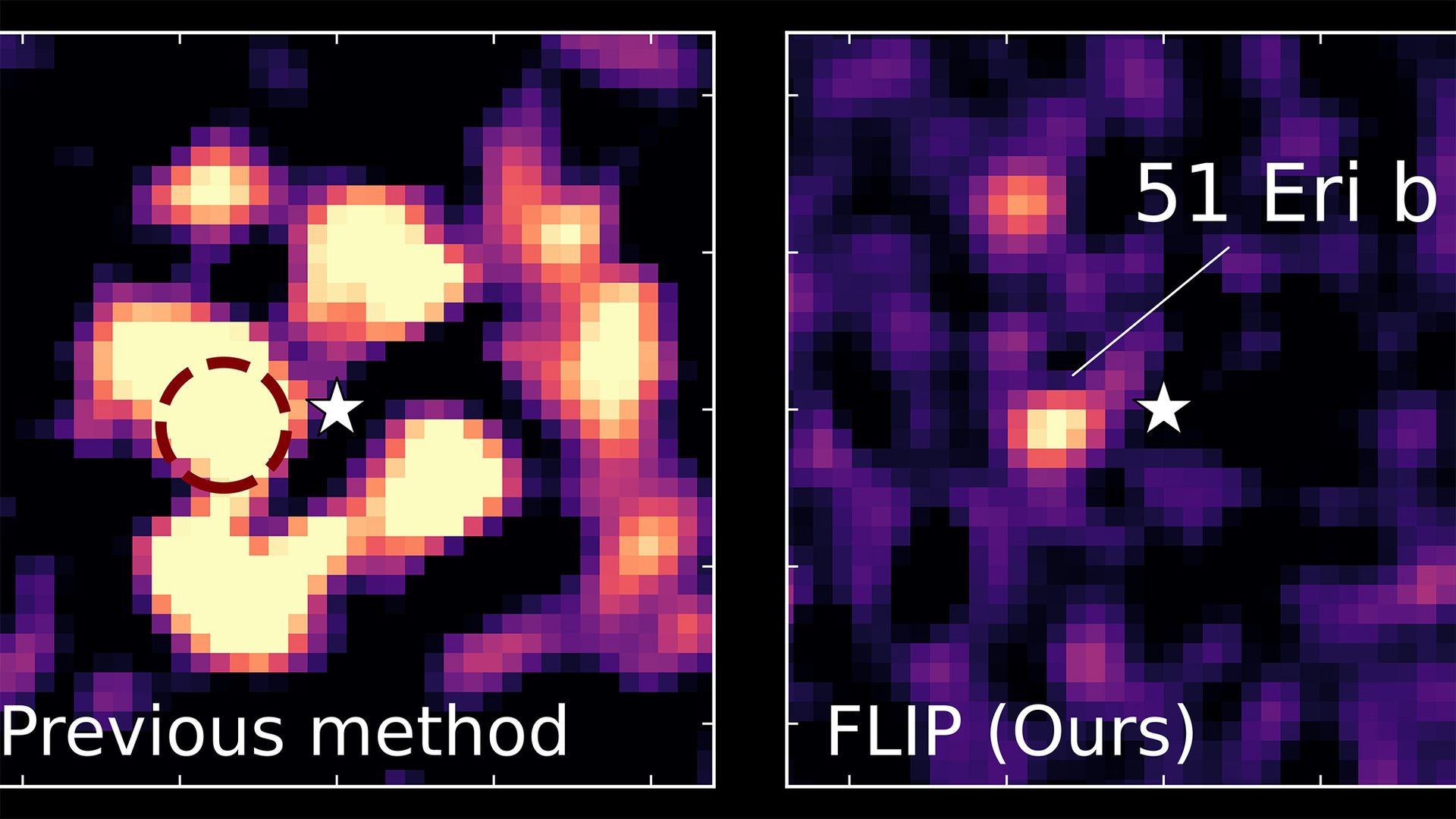
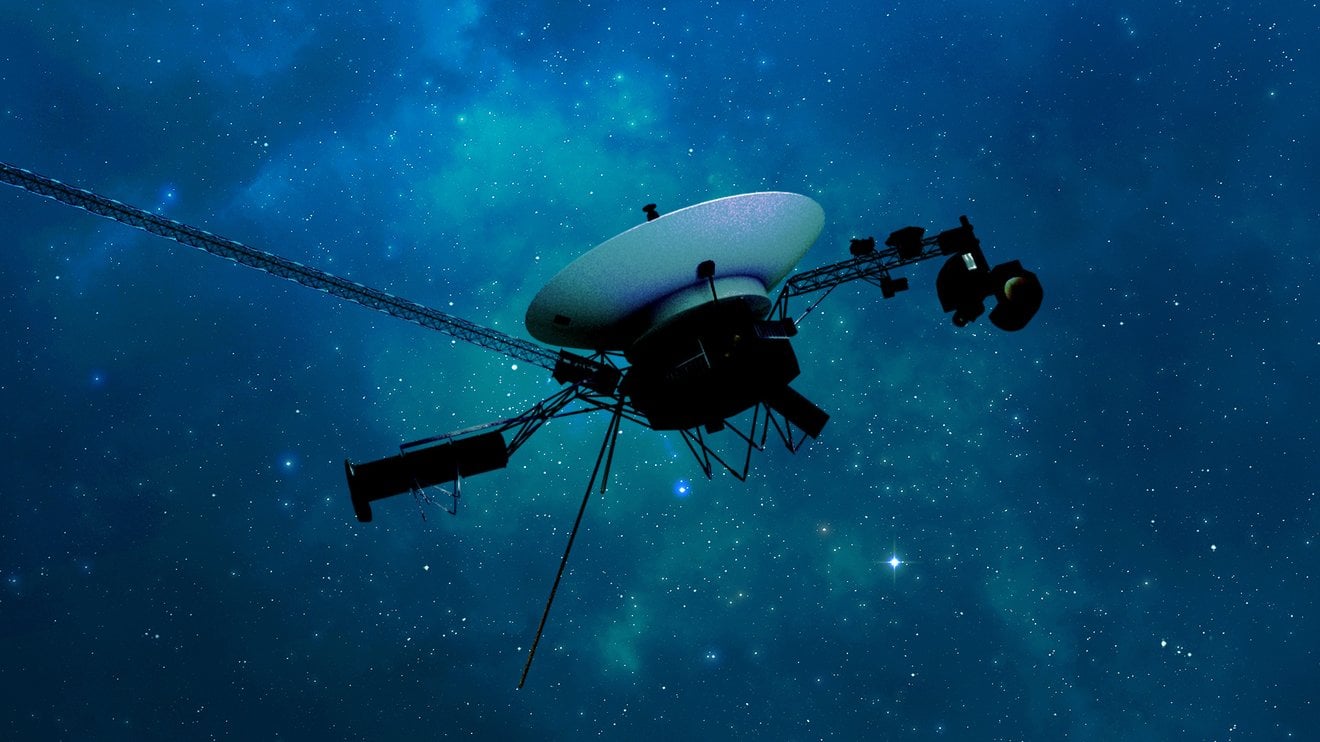
A groundbreaking software package has emerged to enhance the capabilities of the Webb Telescope for imaging exoplanets. Researchers are eager to delve deeper into the details of these distant worlds, either by capturing them directly or by analyzing the light that has passed through their atmospheres. However, both tasks prove to be arduous due to the overwhelming brightness of stars compared to the faint signals received from the planets.
While telescopes can be equipped with coronagraphs to block out a significant portion of a star's light, their effectiveness is limited by the inherent noise caused by subtle variations in the telescope's configuration and pointing between observations. To overcome these challenges, researchers have devised a novel software solution that optimizes a physical model of the telescope.
The cornerstone of this innovative approach lies in the concept of a point spread function. Every time a telescope photographs a single point of light, the resulting image will not be crisp and focused but rather slightly blurred and spread out. This distortion arises from imperfections in the telescope hardware and the limitations in maintaining precise pointing during the lengthy imaging process. The mathematical description of this light distortion is known as the point spread function.
By leveraging advanced modeling techniques that account for the intricacies of the point spread function, the new software package enables researchers to generate low-noise imaging of exoplanets. This advancement paves the way for a more comprehensive understanding of the conditions and atmospheres present on these distant celestial bodies.
Written by urgent.news from Ars Technica's reporting — not their text. Machine-written — may contain errors; check the original before relying on it.
This story
This is one outlet's version. Read the fullest account.