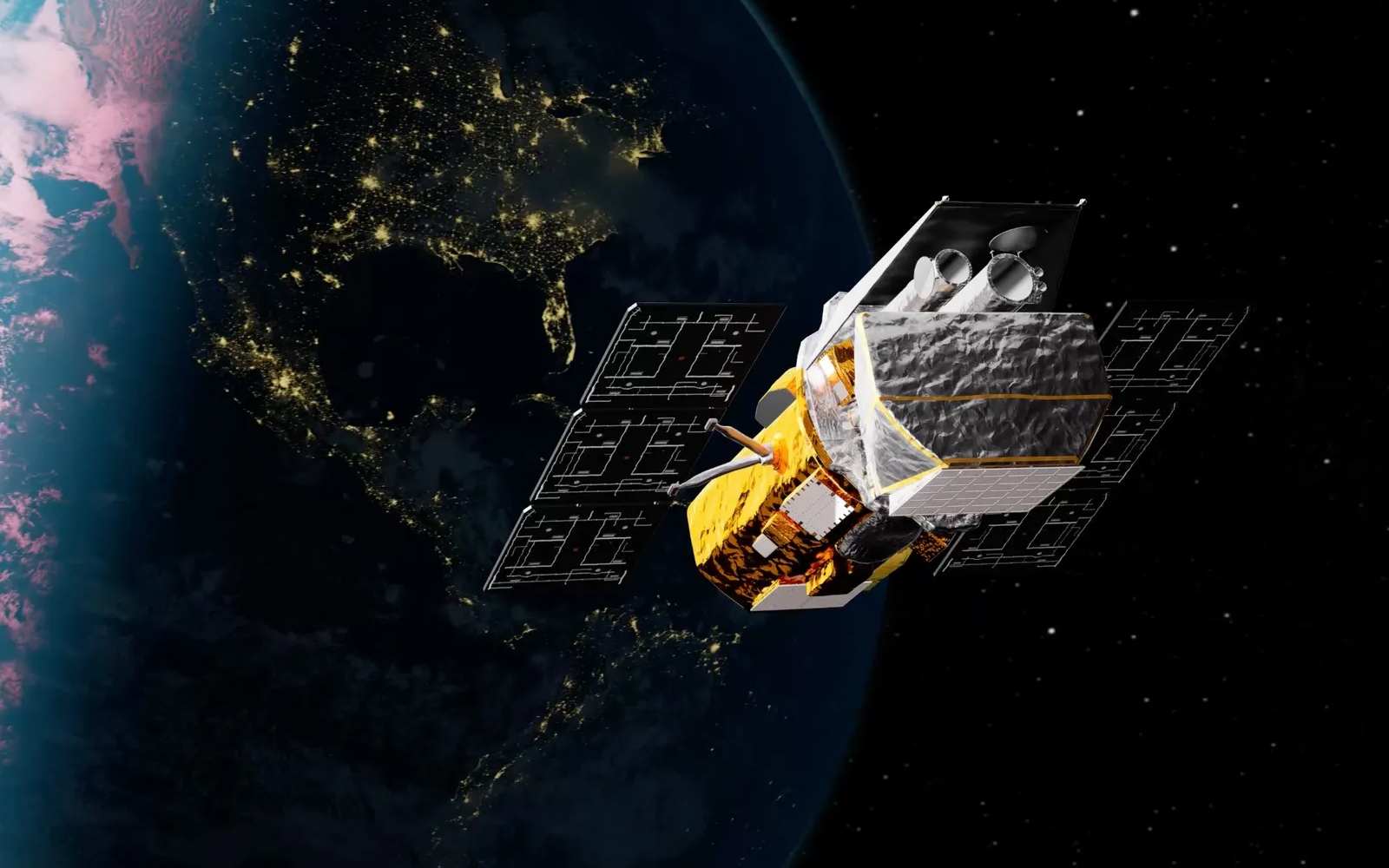
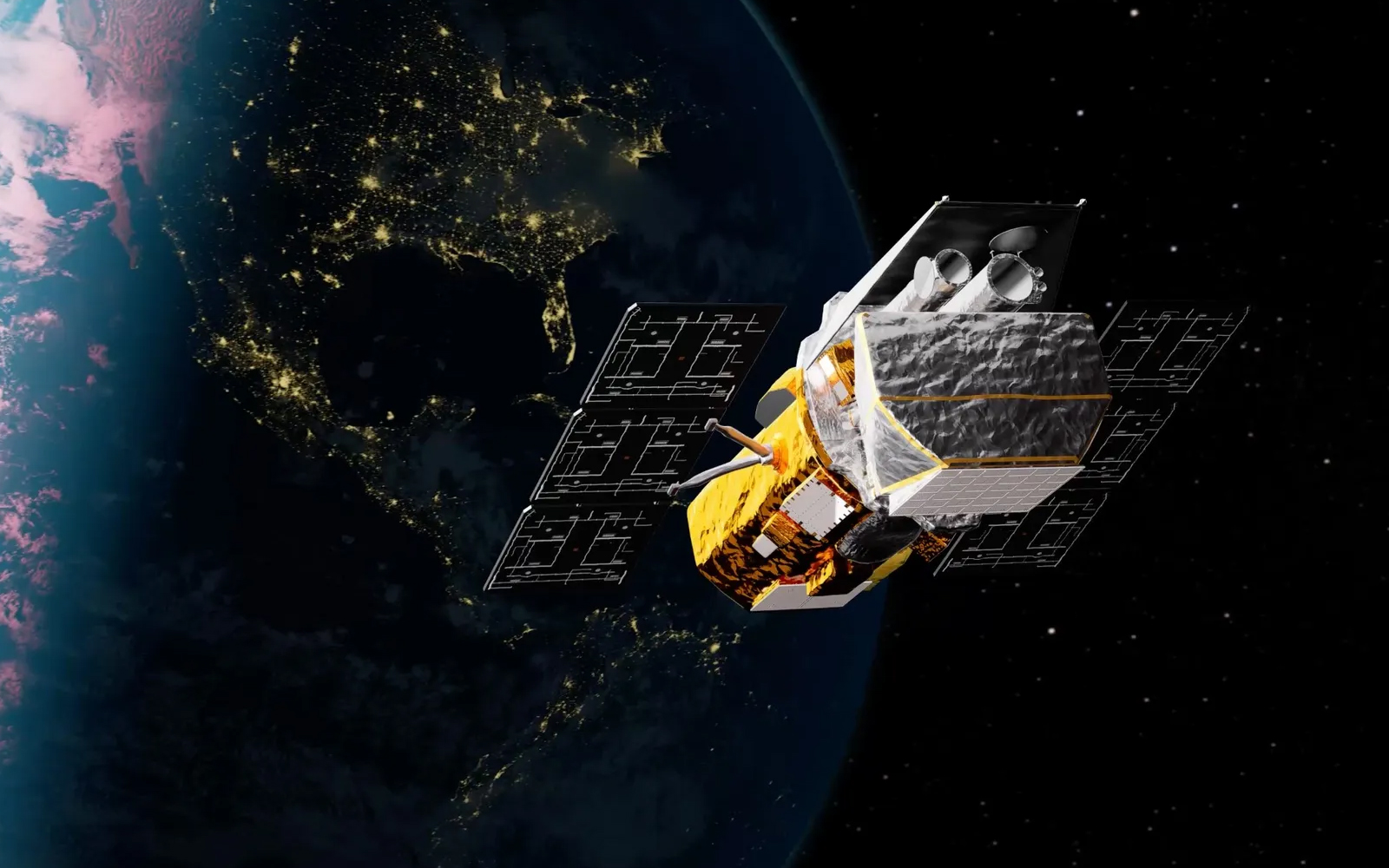
Scientists removed the glare from a James Webb telescope image — and unmasked a hidden planet
Spotting planets orbiting distant stars is a challenge due to the overwhelming glare from their host stars. Even the most advanced telescopes, such as the James Webb Space Telescope (JWST), struggle to distinguish planets from this stellar glare. Now, astronomers have developed a novel method to uncover hidden planets that were previously lost in the light.
By combining modeling and machine learning techniques, they were able to reveal a previously unseen giant exoplanet within JWST data. The study, published in the journal Nature, successfully demonstrated the potential of this new approach. Planets are a million times fainter than their stars, making them extremely difficult to image.
To overcome this issue, telescopes like JWST employ coronagraphs to block some of the excess light, similar to how the moon or a pinhole camera works during a total solar eclipse. However, even the best coronagraphs have limitations, as they cannot block all the glare, and the telescopes themselves move, causing slight mismatches in the images.
To tackle this problem, the researchers created a digital twin of JWST, which virtually recreates how light interacts with the telescope's detectors, excluding any movement-based imperfections. They fine-tuned their digital replica using computational models based on real-world physics and machine learning techniques, but emphasized that this is not an AI model.
Instead, they relied on their understanding of the underlying physics to identify the hidden planet. The researchers named their method Physics-based Learning for Imaging Planets, or FLIP. By applying FLIP to data from three stars, they successfully identified the previously elusive planet, 51 Eridani b, which was previously detected by ground-based telescopes but obscured in JWST observations.
This breakthrough could pave the way for discovering even more challenging exoplanets, particularly those that resemble planets in our own solar system. Despite the fact that the majority of discovered exoplanets are vastly different from those in our solar system, the researchers remain optimistic that this new technique will help uncover more solar-system-like planets.
Written by urgent.news from Live Science's reporting — not their text. Machine-written — may contain errors; check the original before relying on it.
This story
This is one outlet's version. Read the fullest account.