Why US midterm results could make oil cheaper, but complicate India’s Russian crude imports
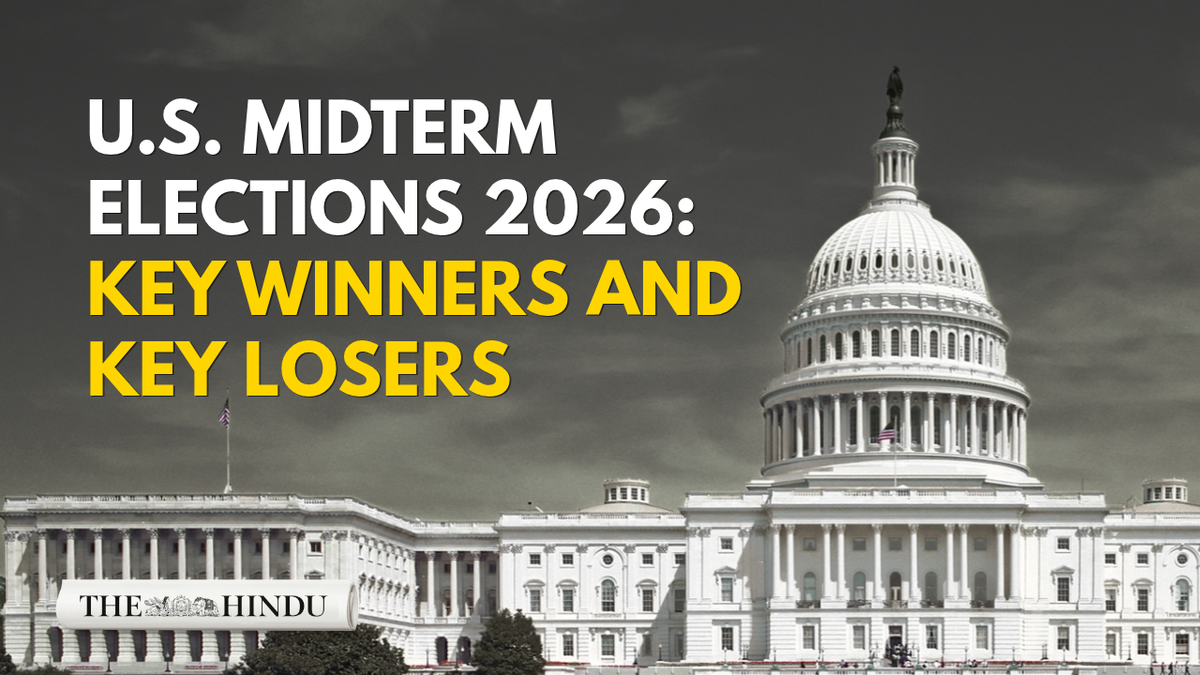
The Democratic Party's landslide victory in the U.S. midterm elections has sparked hopes of a diplomatic resolution to the Iran conflict, potentially restoring energy flows through the strategically vital Strait of Hormuz and driving down global crude oil prices. For India, the world's third-largest oil importer and fourth-largest refiner, this could mean significant relief from its ballooning oil import bill, ease of external inflationary pressures, and improved financial health for oil marketing companies.
However, the election results may also pose challenges for India as a Congress-controlled by Democrats could make it politically more difficult for the Trump administration to ease sanctions on Russia, potentially resulting in higher costs for Moscow's crude exports. As the election results trickled in, global benchmark Brent crude fell by 8.7% to $94.62 per barrel.
Despite the optimism, uncertainties remain, with U.S. President Donald Trump retaining considerable influence over foreign policy and there being concerns that electoral setbacks could embolden him to adopt a more aggressive stance in West Asia. Market analysts and experts believe the Republican Party's poor performance in the polls may increase pressure on Washington to negotiate an end to the Iran conflict.
With growing dissent within the Republican ranks over the Iran war, Vice President Kamala Harris has publicly criticized the administration's foreign policy stance, blaming the war for the election results. The U.S. President's authority over military strikes, blockades, and sanctions licenses remains absolute, and a unified Democratic Congress, while unable to override presidential vetoes, can still impose conditions on war funding and hinder confirmations of key officials.
This could compel the administration to pursue a Hormuz deal rather than resorting to further military strikes. Meanwhile, India, which heavily relies on West Asian crude, benefits from falling oil prices. The Strait of Hormuz disruption exposed India's vulnerability to energy imports, with 40% of its oil imports, 60% of its liquefied natural gas (LNG) imports, and 90% of its liquefied petroleum gas (LPG) imports previously coming from West Asia through the Strait of Hormuz.
Despite diversifying suppliers, Russia remains India's largest crude supplier. While the availability of West Asian crude has improved, it remains expensive due to war risk premiums. Lower oil prices would be advantageous for India, reducing its import bill and easing inflationary pressures. However, the political ramifications of the midterm elections could complicate India's oil imports from Russia.
Written by urgent.news from The Indian Express's reporting — not their text. Machine-written — may contain errors; check the original before relying on it.