What a Democratic-controlled US Congress can and cannot do in the Middle East
The resounding Democratic win in the US midterm elections will make life harder for President Donald Trump, but it won’t flip US Middle East policy any time soon. The bigger shift is political. On Iran, military aid to Israel and Gulf security, the new majority can start questioning long-unchallenged assumptions and testing what Washington will actually sustain. Officials in the region – Tehran…
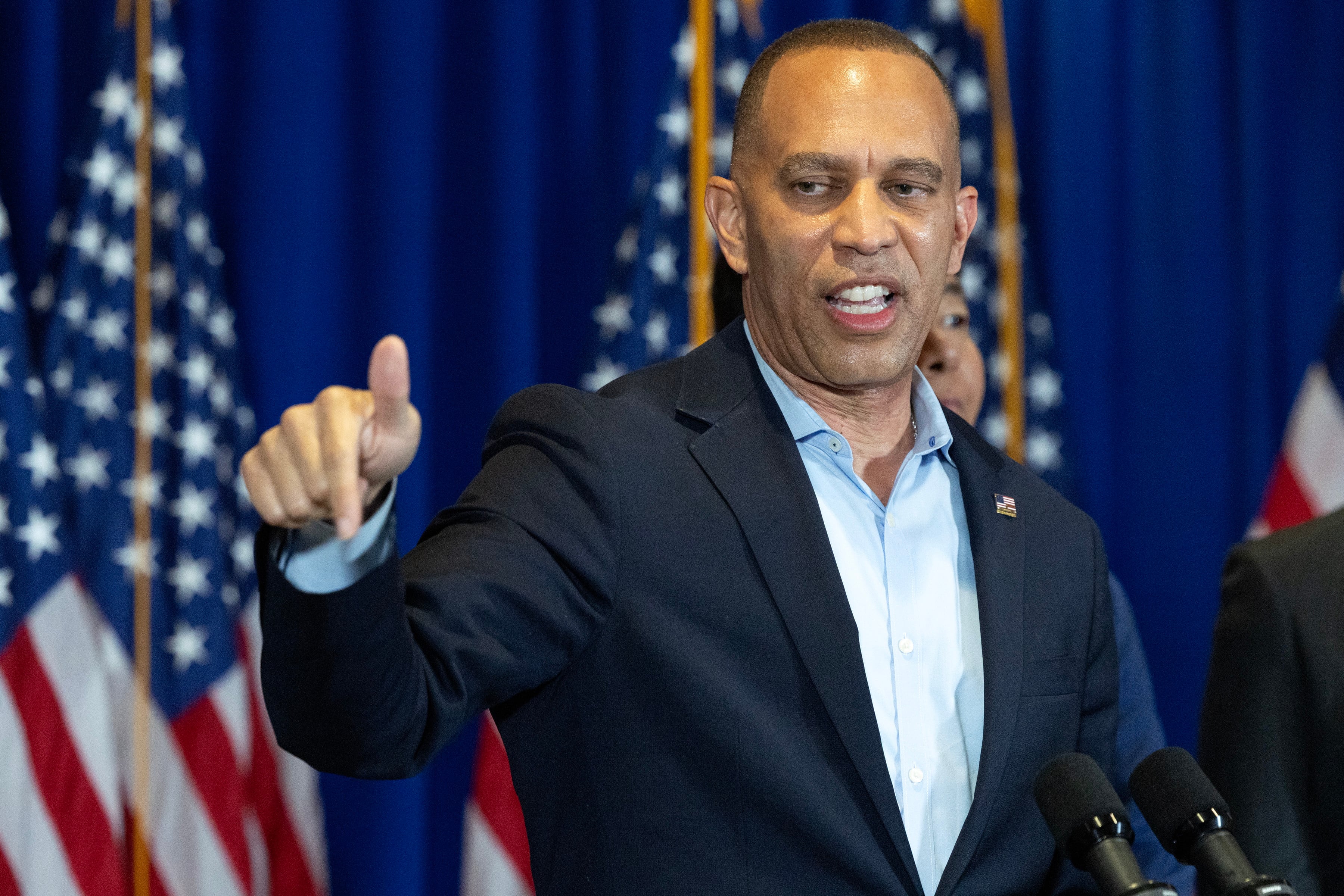
The recent Democratic victory in the US midterm elections will make President Donald Trump's job more difficult in the Middle East, but it is unlikely to fundamentally change US policy in the region in the near future. The most significant change will be political. With the new majority, Democrats can start questioning long-held assumptions and test what Washington is willing to sustain, particularly on issues such as Iran, military aid to Israel, and Gulf security.
The region, particularly Iran, will be keen to see whether Democrats can rein in President Trump and whether the political shift will outlast him.
Even though President Trump remains commander-in-chief, controlling diplomacy, the military, and holding a veto that Democrats likely cannot override, the control of both chambers of Congress allows Democrats to hold investigations, set the terms of debate, and make his choices more costly. They can narrow his options without closing them off altogether.
The Iran war, launched by Trump and Israeli Prime Minister Benjamin Netanyahu on February 28 without Congressional approval, has proven to be costlier and messier than initially anticipated. Rising fuel prices and a record-low approval rating for Trump due to the war will likely prompt Democrats to demand answers on costs and the war's objectives.
A recent survey by the Chicago Council on Global Affairs found that 68% of Americans believe the war is not worth it, and a Reuters/Ipsos poll shows Trump's approval rating has hit a record low of 31%.
While Democrats may have won the congressional election on anger over Iraq, history suggests caution. In 2006, Democrats entered Congress on the heels of the Iraq war, but then-President George W. Bush proceeded to send in a surge the following year. Congress cut off funding for the Vietnam War in 1973, but only after the Paris Peace Accords mandated withdrawal of remaining troops, and after they were already gone.
The ability to change a war's politics can be faster than changing the facts on the ground. Democrats can make the Iran war harder to defend, but forcing Trump to end it is a different matter.
Written by urgent.news from The National Business's reporting — not their text. Machine-written — may contain errors; check the original before relying on it.
This story
This is one outlet's version. Read the fullest account.