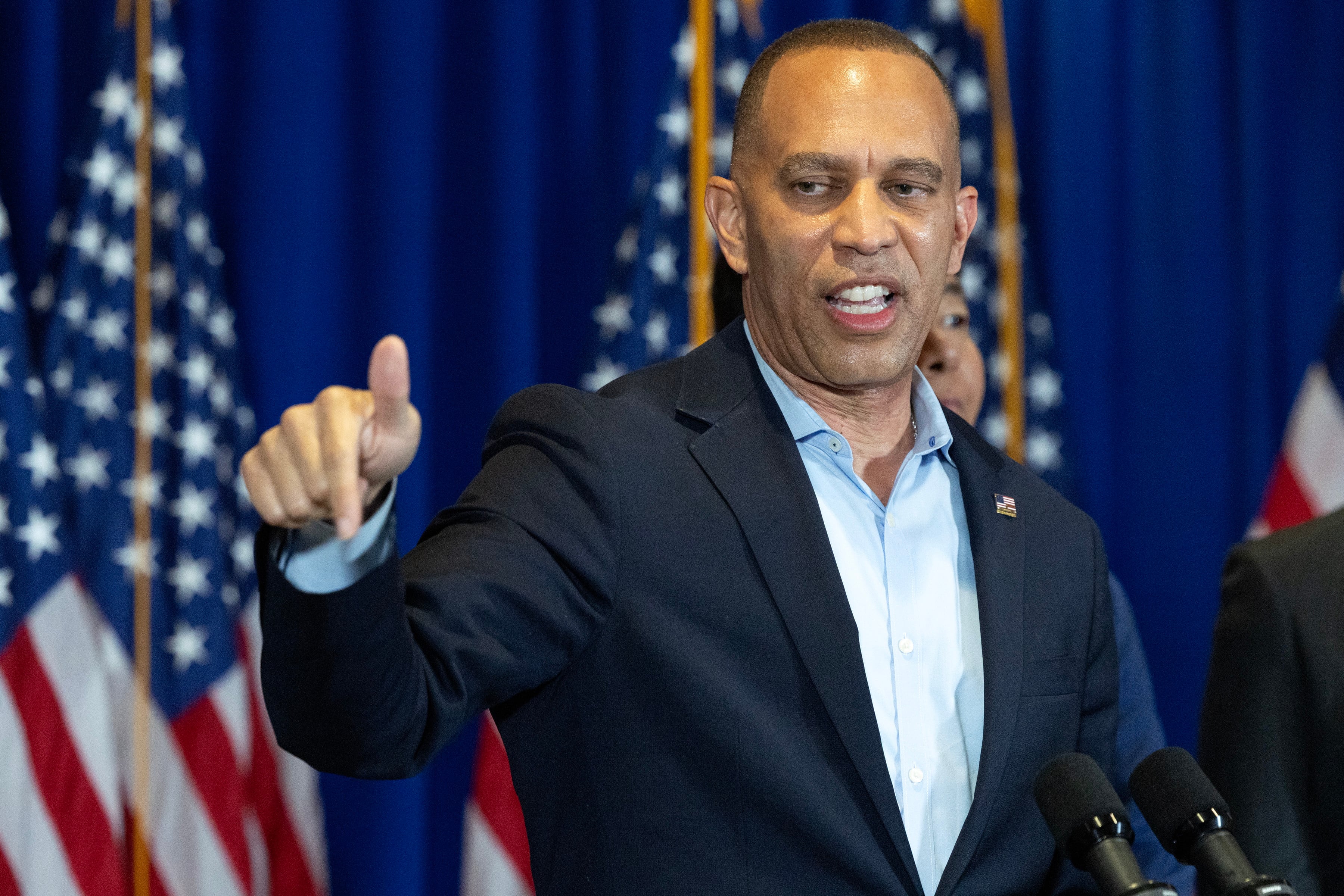
Trump may be a lame duck at home but not abroad
Trump may be a lame duck at home but not abroad newspress_en Thu, 11/05/2026 - 13:29 Opinion After US President Donald Trump’s disastrous defeat in the midterm elections, the American leader will have little option but to spend his remaining two years in office focusing on his controversial foreign policy agenda. With Republicans losing control of both the House of Representatives and the Senate,…
After President Donald Trump's defeat in the midterm elections, he will face severe restrictions on his ability to pursue his domestic agenda, effectively becoming a lame-duck president. With the Democrats controlling both chambers of Congress, Trump will find it nearly impossible to push through his political and economic initiatives without their support. Consequently, his primary focus will shift towards global concerns, where he retains more freedom to act as the commander-in-chief.
In the Middle East, Trump's leadership will still be crucial in resolving ongoing conflicts in Iran, Gaza, and Ukraine. His involvement in these regions could significantly impact the stability and security of the area. However, his efforts may encounter resistance from the Democrats in Congress, particularly if he seeks to ease sanctions against Russia. The Democrats' skepticism towards Russia's commitment to negotiating a peaceful resolution to the Ukraine conflict could impede Trump's diplomatic endeavors.
The Kremlin acknowledges the impact of Trump's midterms on his standing and hopes he will continue his efforts to broker a deal ending the Ukraine conflict. Kremlin spokesman Dmitry Peskov emphasizes that the outcome of the midterms is an internal matter for America, and the United States remains committed to peacemaking and humanitarian efforts.
Meanwhile, the ongoing tensions between the US and Iran could have serious consequences, especially in the Middle East. As the Trump administration seeks to intensify pressure on Tehran, there are concerns that the US may plan another round of strikes against Iran to achieve regime change. Trump has defended his decision to launch military strikes against Iran, claiming it was necessary to prevent the country from developing nuclear weapons.
However, tensions exist within the transatlantic alliance over Trump's treatment of Ukrainian President Volodymyr Zelensky, who faces pressure from the administration to accept a peace deal involving territorial concessions to Russia.
Written by urgent.news from Al Majalla English's reporting — not their text. Machine-written — may contain errors; check the original before relying on it.