Hotels: Disruption at the Reception Desk: Why Hotels Are Becoming Increasingly Digital
The hotel industry is traditionally shaped. But this is changing: More and more new providers are focusing on strong digitalization. What does this mean for operators and guests?
Monheim. For Martin Kemmer, it has been a source of frustration for years that his colleagues did not see him as a hotelier. His professional roots lie elsewhere. The economics graduate founded 25 companies throughout his career, with the first one being an e-commerce and web development agency founded in 2004. When speaking about his current business as a hotelier, the software expert's background becomes evident.
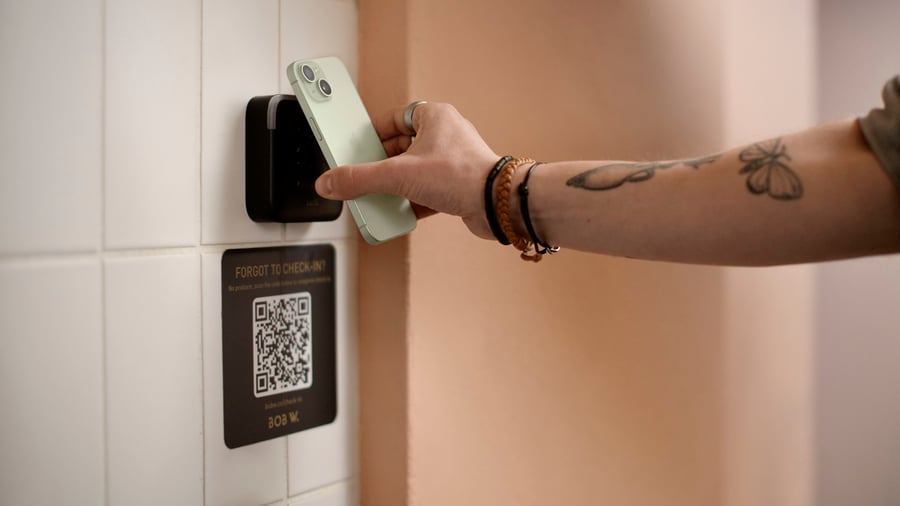
The CEO of Hey Lou Hotels in Monheim am Rhein uses terms like "Zero-Booking-Click," "model agnosticism," and "vendor lock-in." The Hey Lou, opening in 2024 between Cologne and Düsseldorf, is an inconspicuous building both inside and out. Its status as one of Germany's most digital hotels is not immediately apparent. "90 percent of our processes are automated," Kemmer states, placing him at the forefront of his industry.
Hotels typically define themselves through comfort and service, rarely through digital processes in the background or applications for guests and employees. Does Kemmer's model signal the future of the hotel industry? And what does it mean for other hoteliers and their guests?
Written by urgent.news from Handelsblatt's reporting — not their text. Machine-written — may contain errors; check the original before relying on it.
This story
This is one outlet's version. Read the fullest account.