Ten new UAE traffic laws for 2027 explained
The UAE will introduce key changes to its traffic laws from January 1 aimed at cutting accident rates, tackling congestion, offering greater protection to child passengers and limiting the time drivers spend behind the wheel. The road legislation shake-up is central to the government's long-term safety drive as it seeks to keep pace with the demands placed on its growing transport network by a…
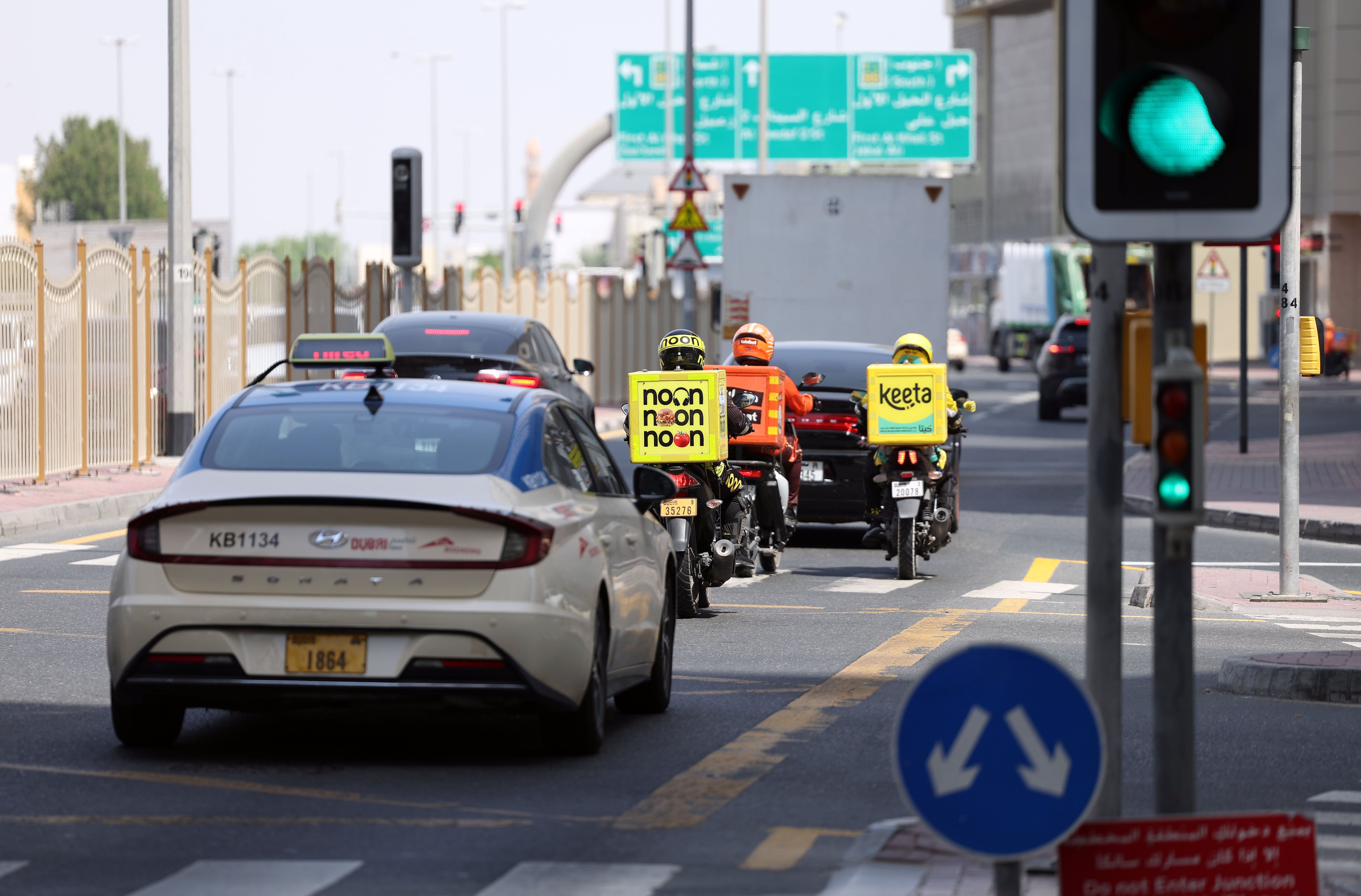
From January 1, the UAE will implement ten new traffic laws in an effort to reduce accident rates, alleviate congestion, enhance child passenger protection, and regulate driving time. The comprehensive reforms form a crucial part of the government's ongoing safety initiative, aiming to align with the demands of a rapidly expanding road network driven by population growth. This report outlines the key provisions of the amended federal traffic law, affecting millions of daily commuters across the nation.
One of the primary changes involves a maximum driving period of nine hours within any 24-hour span, intended to mitigate driver fatigue. The applicability of this rule to both private and professional drivers remains unclear, but it is expected to significantly impact taxi, bus, and delivery service operators and their employees. The National has reached out to authorities for clarification on how the limit will function in practice.
Another noteworthy provision introduces a minimum age requirement of 15 for obtaining an e-scooter permit, valid for three years. However, it remains uncertain whether Dubai's current age restriction of 16 will be adjusted, and how the two requirements will be harmonized. The law permits three types of permits for e-bikes, e-scooters, and small-wheeled cycles, which are only allowed on designated routes and roads.
The updated legislation specifies technical requirements for e-scooters and e-bikes, including the installation of front lights, rear red brake lights, and audible warning devices on the handlebars. Additionally, each device must be equipped with at least one brake on the rear wheel, properly maintained tires with securely fitted rims, and properly tensioned spokes.
To ensure safe practices among delivery riders, the law prohibits carrying passengers on motorcycles while making deliveries or using backpacks to transport orders. Instead, riders must utilize designated and approved equipment for carrying deliveries. The initiative follows Dubai's Roads and Transport Authority's plans to monitor delivery motorcycle riders' speed, location, and driving behavior using cameras and smart sensors, aiming to enhance road safety and ensure compliance with traffic regulations.
The law also mandates the use of appropriate safety seats for children aged four and under, installed in the rear seats and complying with national standards and specifications. Exceptions are allowed for children with medical conditions preventing seat usage, requiring an official medical certificate and an accompanying adult in the rear seat. In vehicles without rear seats, a child safety seat may be placed in the front, facing backward, with the airbag deactivated.
The legislation sets a cap of five vehicles for vehicle ownership per individual, with additional fees for registering or renewing a third, fourth, or fifth vehicle. Registration fees for new vehicles stand at Dh400, while renewal fees are Dh350 plus an extra Dh150 for inspection. This measure aims to curb the surge in vehicle numbers on UAE roads, alleviating congestion and improving traffic flow.
Owners of light vehicles can opt to extend the existing one-year registration validity to two years, provided the vehicle is brand new and not older than six years from its manufacturing date. The law also outlines eyesight standards for various categories of drivers, with stricter requirements for bus and heavy machinery operators. Licensing authorities may accept eyesight examination results to determine compliance.
Written by urgent.news from The National Business's reporting — not their text. Machine-written — may contain errors; check the original before relying on it.
This story
This is one outlet's version. Read the fullest account.
- Ten new UAE traffic laws for 2027 explained thenationalnews.com