NASA's Artemis II moon launch tore a hole in Earth's upper atmosphere so huge it disrupted GPS signals
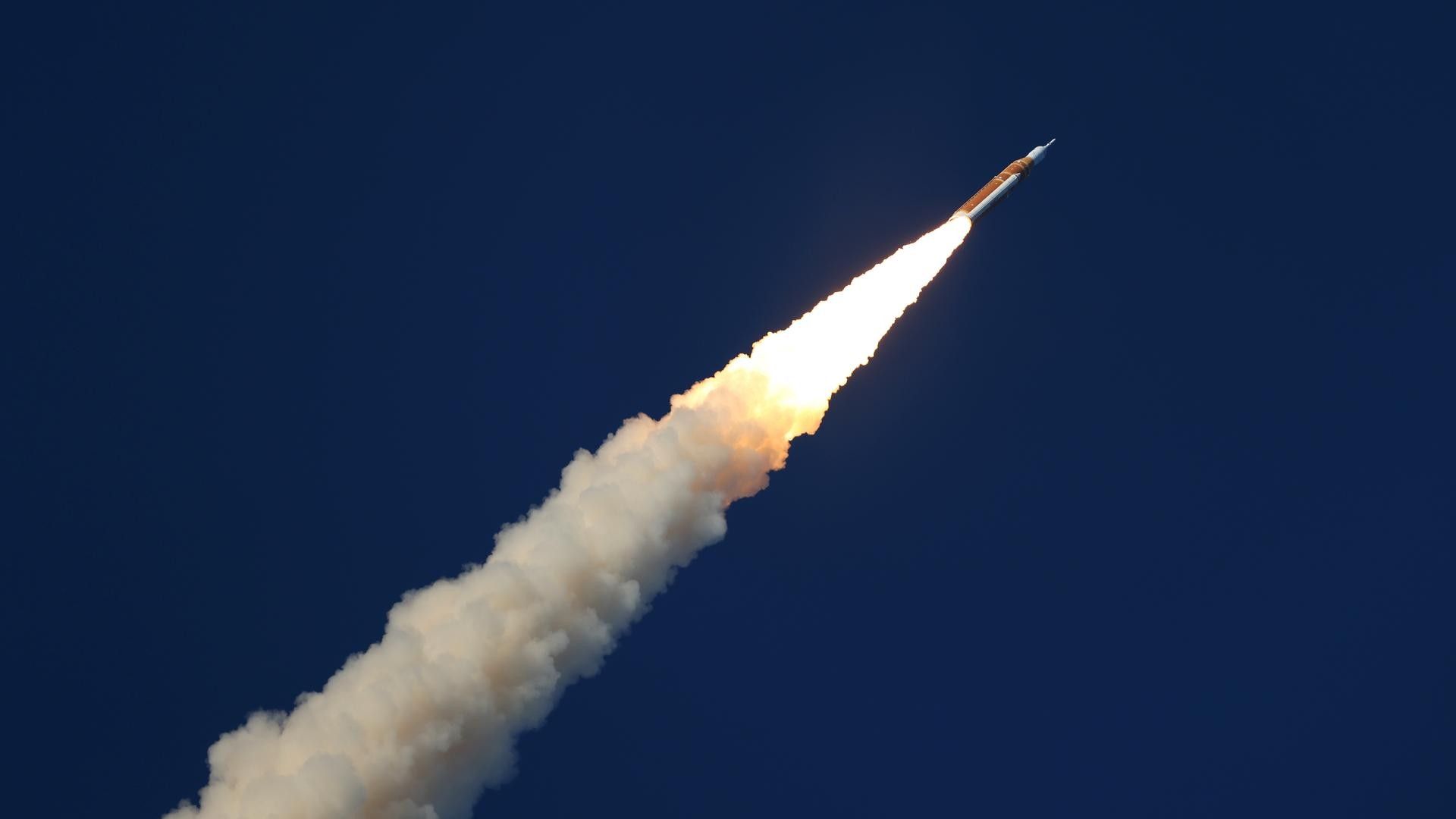
NASA's Artemis II moon mission in April 2026 caused significant disruptions in Earth's upper atmosphere, potentially leading to temporary, localized errors in GPS positioning, a new study has revealed. Researchers from National Cheng Kung University in Taiwan analyzed data from high-precision GPS networks used to measure Earth's tectonic plate movements.
By tracking the alterations in GPS signal travel times, they discovered that the SLS rocket's passage through the ionosphere, a charged layer above 30 miles altitude, created more substantial disturbances than any previous rocket launches and up to ten times more intense than SpaceX's Starship test launches. The ionospheric disturbances, lasting only a brief period, were observed as two large holes stretching from East to West across the American continent.
Experts warn that such phenomena could cause positioning errors of several meters, potentially affecting autonomous vehicles and drone operations during future lunar and Mars missions.
Written by urgent.news from Space.com's reporting — not their text. Machine-written — may contain errors; check the original before relying on it.