BYD protest exposes challenge in shifting industrial workforce
As factories embrace automation and high-tech manufacturing, workers are at risk of being left behind unless the government adapts vocational training to changing labor demands.
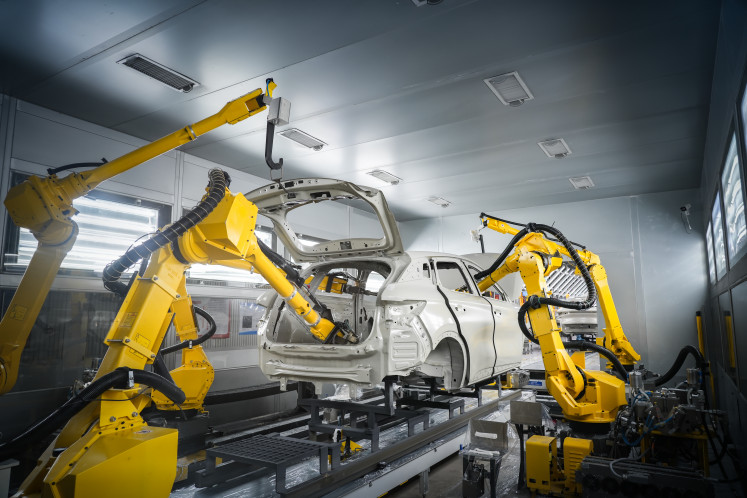
A protest over hiring practices at a Chinese electric vehicle factory in West Java has highlighted the challenge facing Indonesia's industrialization efforts. As factories adopt automation and advanced manufacturing techniques, concerns are rising about how these investments can create local job opportunities. On October 28, hundreds of villagers gathered near the factory in Subang regency to demand better access to employment.
They accused BYD of not hiring enough residents of the surrounding area. The United Subang Community Forum, which organized the protest, found that fewer than 20% of the factory staff were local residents. They called for more transparent recruitment, additional vocational training programs, and a hiring policy that prioritizes local workers.
Protest spokesman Megi Akbar Setiawan explained that the demonstration aimed to communicate with the company and find solutions to ensure local workers benefit from industrial investments. He emphasized that the protesters were not seeking to hinder development but to work together to find ways to provide local residents with job opportunities.
Written by urgent.news from The Jakarta Post's reporting — not their text. Machine-written — may contain errors; check the original before relying on it.