Municipal Assemblies in Accra empowered and ready to fight air pollution after bootcamp
Air pollution is hard to fight, partly because most people cannot see it. The smoke from a burning refuse heap drifts away. The fumes from an old trotro fade into the traffic. But the fine particles they leave behind stay in the air, and in the lungs of the people who breathe them. That makes it a silent killer. A UNDP investment case presented by Belynda Amankwa, Programme Specialist for Health,…
The silent killer of air pollution is claiming lives in Ghana, with outdoor air pollution responsible for over 12,000 deaths in 2024, particularly among those aged under 70. This contributes to a loss of US$2 billion, or 2.3 percent of Ghana's GDP, according to a UNDP investment case. The challenge for assemblies in Greater Accra is not only the invisible nature of the danger but also the scattered sources and uncoordinated efforts.
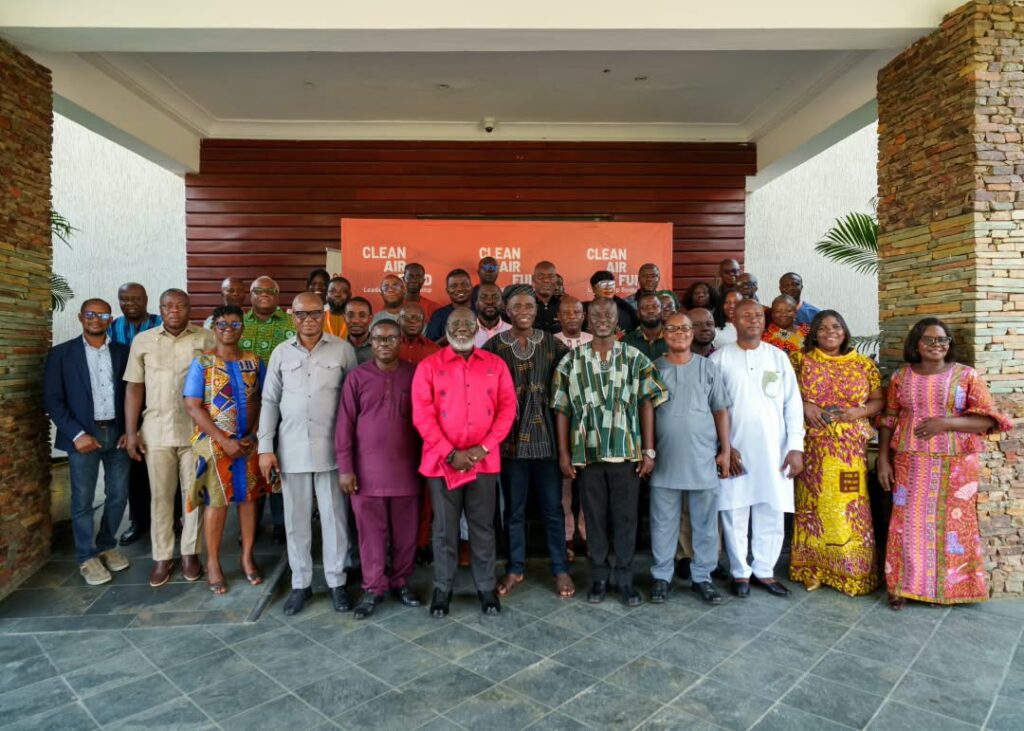
Emmanuel Allotey, the Municipal Chief Executive for Ga Central, highlighted the issues stemming from poorly coordinated lorry stations, markets, and poorly maintained commercial vehicles, stating that the assembly has limited control over the situation. The Clean Air Leadership Bootcamp, held on October 30 at the Heartland Hotel in Ada-Foah, aimed to empower 29 assembly leaders with the necessary tools to combat air pollution.
Attendees were exposed to air quality regulations, such as those passed in 2025, which set standards for ambient air and vehicle emissions and require assemblies to develop air quality management plans. Selina Amoah, Head of the Environmental Quality Unit at the Environmental Protection Authority, emphasized the need for assemblies to allocate resources and provide periodic reports on their actions.
Desmond Appiah, Country Lead for Ghana at the Clean Air Fund, noted that the bootcamp targeted assembly leaders, as they play a crucial role in implementing national commitments. Prof. Williams Ackaah of the CSIR's Building and Road Research Institute revealed that a study of over 1,400 vehicles in Greater Accra found most exceeded Ghana’s emission standard, raising concerns about the effectiveness of DVLA vehicle tests.
Dr. Elvis Kyere-Gyeabour of the Breathe Cities Accra programme pointed out that waste burning accounts for about 35 percent of Accra’s air pollution, compared to 18 percent from traffic. The Greater Accra Regional Coordinating Council has developed a model air pollution bylaw, awaiting gazetting, which any assembly can adopt. Ga Central's sanitation task force has already begun enforcement, educating residents and taking persistent offenders to court for burning waste.
Assembly leaders, including Emmanuel Allotey, are now determined to engage their stakeholders and raise awareness about the dangers of air pollution before it's too late.
Written by urgent.news from MyJoyOnline Ghana's reporting — not their text. Machine-written — may contain errors; check the original before relying on it.
This story
This is one outlet's version. Read the fullest account.