Extortion fears threaten govt’s drug rehabilitation drive
Despite a legal framework for rehabilitating drug users instead of imprisoning them, the process is often bypassed on the ground.
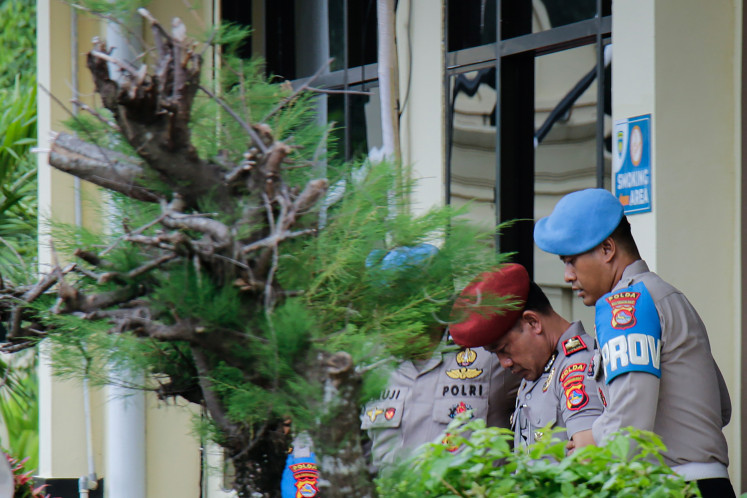
Government plans to expand drug rehabilitation as an alternative to imprisonment face a crisis of trust, with extortion by law enforcement officers and rehabilitation providers deterring users from seeking treatment, advocates warn. President Prabowo Subianto's administration is renewing efforts to address prison overcrowding through mega-rehabilitation centers, noting that drug-related offenses account for over half of the country's prison population, according to Corrections Directorate General data.
The 2009 Narcotics Law established the option for treatment instead of imprisonment, and a 2014 joint decree by seven state institutions created an Integrated Assessment Team (TAT) to recommend rehabilitation or prosecution for those arrested on drug charges. However, the assessment step is often bypassed, according to Wahyu Khresna, program manager at the Jakarta-based nonprofit Karisma Foundation.
"There are still many users who get arrested, then 'negotiations' happen so that they get into rehabilitation, or are let go by the police," Wahyu told The Jakarta Post. While Wahyu blames "rogue" officers for these extortions, the National Narcotics Agency acknowledges the gap, with a deputy stating that many recommended for rehabilitation by the TAT still face legal proceedings.
Written by urgent.news from The Jakarta Post's reporting — not their text. Machine-written — may contain errors; check the original before relying on it.