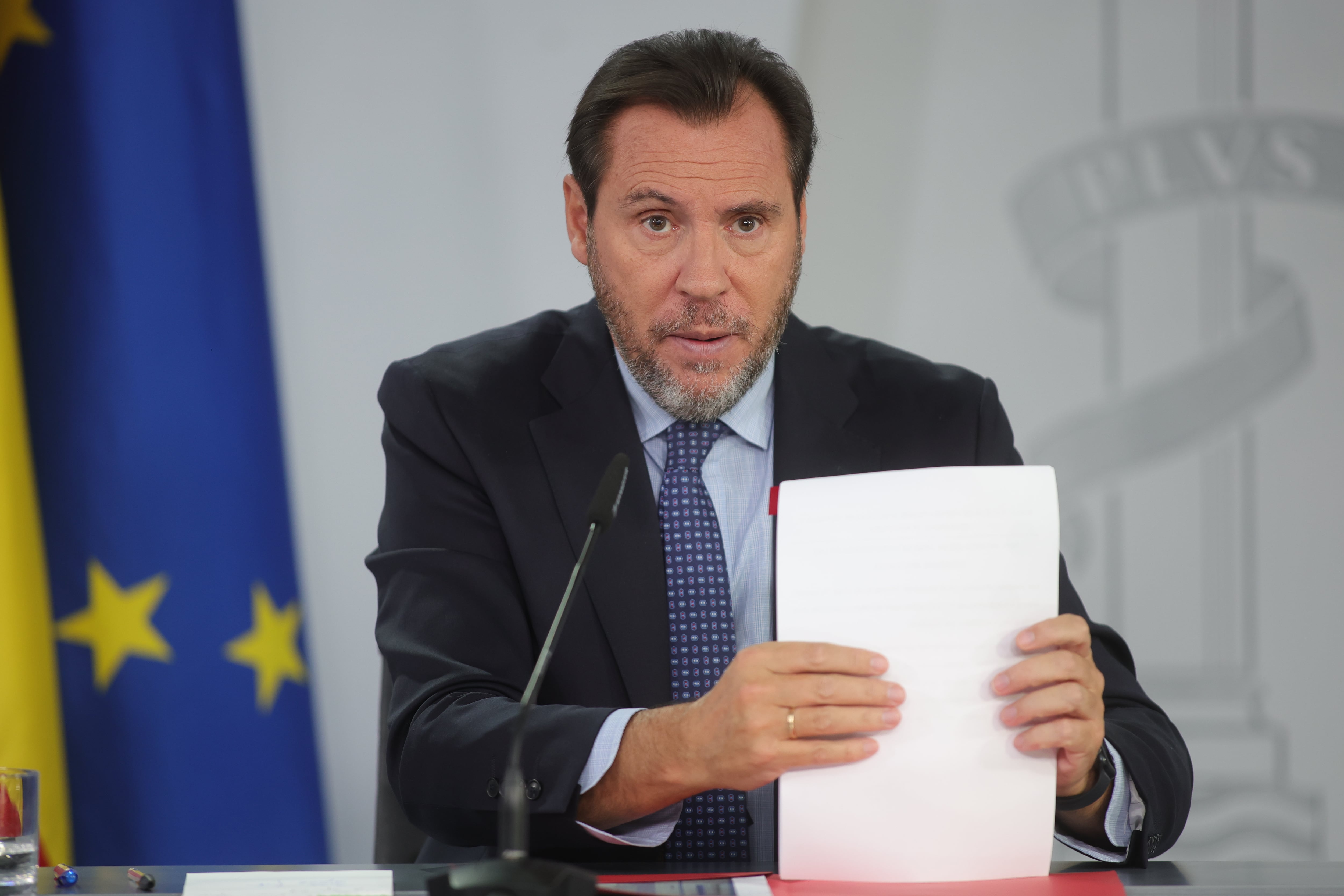
GCCE and WDI hold stakeholder consultations on financing Ghana’s electric two-wheeler industry
The Ghana Chamber of Clean Energy (GCCE), in partnership with the William Davidson Institute (WDI) at the University of Michigan, USA, convened a stakeholder consultative workshop in Accra on Tuesday, 27 October 2026, to examine financing constraints for Ghana’s growing electric two-wheeler manufacturing, assembling, and retail businesses and also explore policy solutions to improve access to…
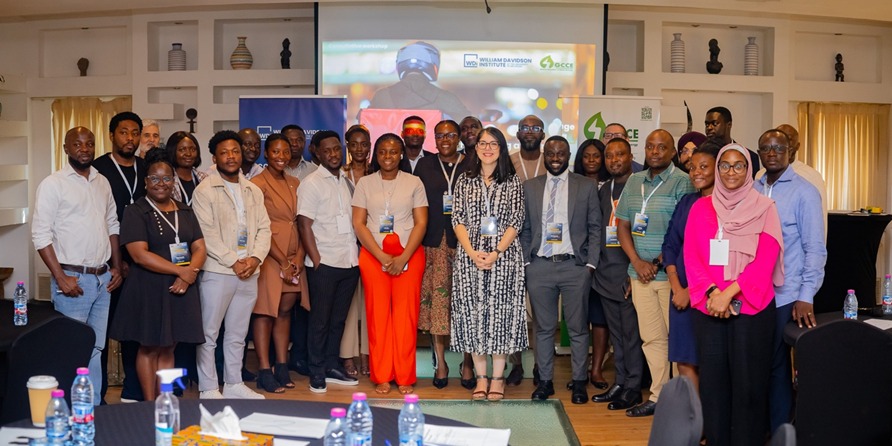
The Clean Air Fund has urged metropolitan, municipal, and district assemblies in Greater Accra to take the lead in combating air pollution. This was emphasized during a Clean Air Leadership Bootcamp for chief executives, coordinating directors, and selected presiding members of the 29 assemblies on October 30 at the Heartland Hotel in Ada-Foah. The training aimed to empower local leaders to integrate air quality considerations into their planning, waste management, transport, and budgeting processes.
Desmond Appiah, the Country Lead for Ghana at the Clean Air Fund, highlighted that national policies on air pollution often reach their limitations at the local level. "That is where the rubber hits the road. That is where the real action happens," he noted. He stressed that while Ghana has strong national regulations, their effectiveness hinges on the assemblies' understanding and implementation capabilities.
Ghana has recently passed air quality regulations, but without clear enforcement mechanisms at the assembly level, these policies may not yield the desired results.
The implications of air pollution are severe. According to a UNDP investment case presented at the bootcamp, outdoor air pollution led to over 12,000 deaths in Ghana in 2024, with 64 percent of these fatalities occurring before the age of 70. The economic cost amounted to approximately US$2 billion, equivalent to 2.3 percent of Ghana's GDP. Major causes include stroke, lower respiratory infections, and heart disease.
Under the new regulations, each district assembly is mandated to develop its own air quality management plan. Mrs. Selina Amoah, Head of the Environmental Quality Unit at the Environmental Protection Authority (EPA), emphasized that assemblies must consider air pollution when approving projects, enforce zoning rules, and manage waste effectively. She cautioned against relying solely on donor support, urging assemblies to allocate resources for implementing the plans and to provide periodic reports on their progress.
Despite these guidelines, the enforcement power of assemblies remains limited. The Municipal Chief Executive for Ga Central, Emmanuel Allotey, pointed out that much of the pollution in his area stems from poorly coordinated lorry stations, markets, and poorly maintained commercial vehicles. However, the assembly lacks authority over vehicle certification, relying instead on the Vehicle Licensing Authority (DVLA).
Allotey expressed concern over the poor maintenance of commercial vehicles, which often emit excessive pollutants.
Research presented at the bootcamp by Prof. Williams Ackaah, Deputy Director of the CSIR’s Building and Road Research Institute, further corroborated these concerns. His study, which surveyed over 1,400 vehicles across the 25 assemblies in the Greater Accra Metropolitan Area, revealed that the majority exceeded recommended emission standards.
Specifically, motorbikes were found to have high levels of hydrocarbons, indicating inefficient fuel combustion. Prof. Ackaah questioned the current DVLA testing methods, advocating for more rigorous testing during vehicle acceleration and under full load conditions.
Despite the challenges, some assemblies are already taking actionable steps. The Ga Central assembly, serving approximately 350,000 residents, has established a sanitation task force to address open burning of waste. The task force educates the public on the dangers of waste burning and prosecutes violators to deter non-compliance.
Dr. Elvis Kyere-Gyeabour, Breathe Cities Accra portfolio manager, noted that waste burning contributes to about 35 percent of Accra's air pollution, compared to 18 percent from traffic. He suggested that if assemblies focused on solid waste and biomass burning, they could achieve over a 40 percent reduction in pollution levels. Additionally, a model air pollution bylaw developed in collaboration with the Greater Accra Regional Coordinating Council is pending gazetting, offering a framework that any assembly can adopt.
The training has empowered local leaders like Mr. Allotey, who now recognizes the legal tools available to enforce compliance. He emphasized the importance of engaging stakeholders to raise awareness about the silent killer that is air pollution.
Written by urgent.news from MyJoyOnline Ghana's reporting — not their text. Machine-written — may contain errors; check the original before relying on it.
This story
This is one outlet's version. Read the fullest account.