You can ignore the hype around Wi-Fi 8 and even Wi-Fi 7 if you're already on Wi-Fi 6
Wi-Fi generations keep rolling out, but real Wi-Fi improvements aren't as fast
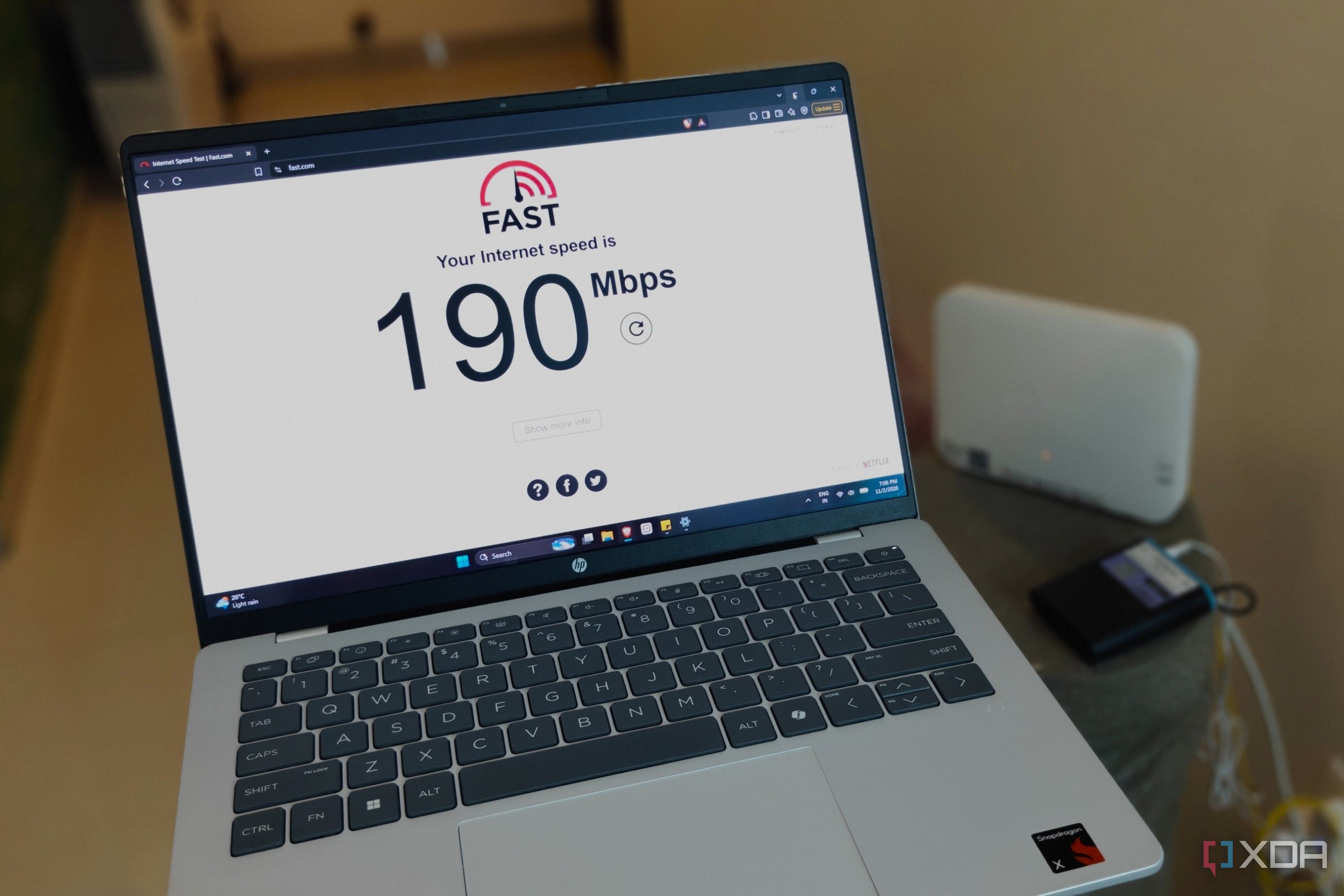
While there is considerable discussion surrounding the upgrades to Wi-Fi 7 and the anticipated Wi-Fi 8, many individuals may find these enhancements unnecessary. Most people are not utilizing internet plans fast enough to warrant investments in Wi-Fi 7 routers, and reliability and range are already satisfactory with Wi-Fi 6 routers.
Neither affordability nor client support is driving individuals to upgrade their routers, even in late 2026. Wi-Fi 8 will emphasize Ultra High Reliability (UHR), focusing on aspects like Multi-Access Point Coordination (MAPC), Distributed Resource Units (DRUs), Dynamic Sub-Band Operation (DSO), Non-Primary Channel Access (NPCA), and Unequal Modulation (UEQM) to improve communication between devices and neighbors.
However, it's important to note that the Wi-Fi 8 specification is expected to be finalized by May 2028, and early Wi-Fi 8 routers may not be readily available to consumers until Q3 2028. Wi-Fi 7 introduced Extremely High Throughput (EHT) through wider bands, higher modulation, and Multi-Link Operation (MLO). Despite these improvements, Wi-Fi 6E, which focuses on efficiency, has already provided a significant boost to performance.
Wi-Fi 7's peak throughput is largely theoretical and may not be accessible to most users worldwide due to limited internet plan availability and affordability. Although Wi-Fi 7 claims to offer a theoretical increase in maximum throughput, the majority of users are limited to around 100 Mbps in median broadband speed. With Wi-Fi 6 routers capable of delivering over 1 Gbps in wireless speeds, many users are operating within their Wi-Fi 6 backbone and not experiencing any performance issues.
Wi-Fi 6 routers can cover up to 2,500 sq. ft. without dead zones, thanks to OFDMA and MU-MIMO, which enable simultaneous communication with multiple devices. If your internet plan is within the range of 300-500 Mbps, you are unlikely to notice any difference by upgrading to Wi-Fi 7. Wi-Fi 6E only becomes relevant when your devices can utilize the 6 GHz band and you have sufficient internet speed to justify the upgrade.
Written by urgent.news from XDA Developers's reporting — not their text. Machine-written — may contain errors; check the original before relying on it.