When matcha makes its way into nasi lemak, is it still healthy?
From lattes to fried catfish, matcha is finding its way into ever more unlikely dishes - but its green glow does not automatically make a meal better for you.
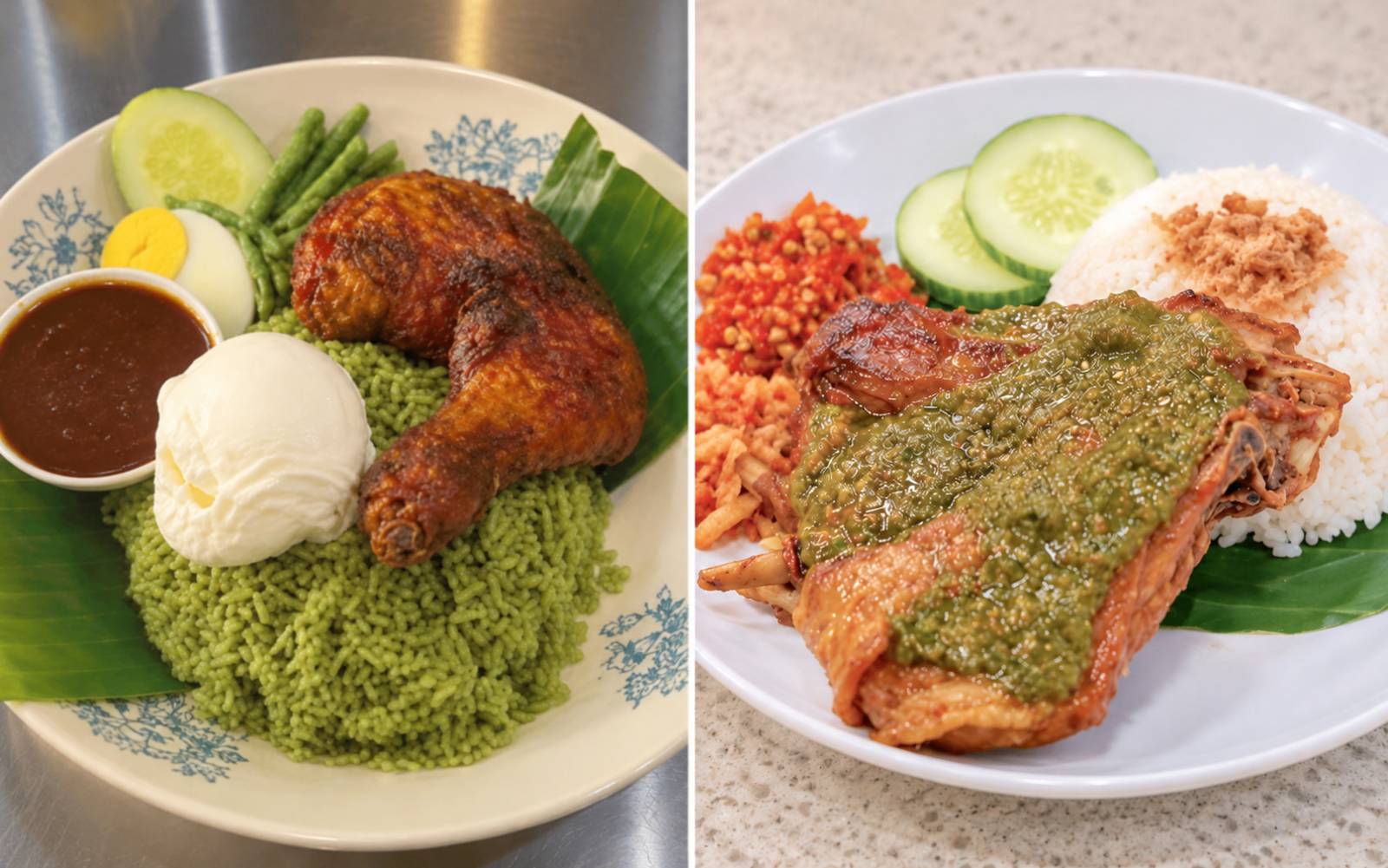
Matcha, the finely powdered Japanese green tea, has ventured far beyond its traditional tea bowl. Now, it can be found in unexpected places like nasi lemak, burgers, noodles, and even ayam gepuk and fried catfish. This has sparked curiosity among diners, who find the novelty appealing. However, nutrition experts caution that adding matcha to a dish does not automatically make it healthier.
While matcha contains beneficial compounds such as polyphenols, catechins like EGCG, L-theanine, and caffeine, these do not magically transform an otherwise unhealthy meal into a health food.
Adnin Afifi Nawi, a senior lecturer, emphasizes that the allure of matcha in unusual dishes is often due to social media trends and culinary experimentation. He stresses that just because a food item goes viral because of its attractive colour or unique taste, it does not mean it is healthy simply because it contains matcha. Similarly, Dr Norsham Juliana Nordin, an expert in chronophysiology and chrononutrition, highlights that matcha's nutritional benefits are tied to its overall composition.
When matcha is added to dishes like nasi lemak, burgers, or noodles, the overall nutritional value depends on the ingredients and cooking methods involved.
For instance, adding matcha to nasi lemak may introduce some polyphenols and change the dish's appearance, but it does not eliminate the high levels of coconut milk, sambal, fried accompaniments, and sodium. To make the dish more nutritionally balanced, one should moderate portions, reduce coconut milk, oil, and salt, and incorporate more vegetables while choosing less oily accompaniments.
The same principle applies to matcha-marinated catfish; the tea powder may add flavour and colour, but the frying process remains the key factor determining its nutritional profile.
Moreover, the preparation method can affect the retention of matcha's beneficial compounds. Cooking can reduce catechins, which are sensitive to heat, although they are not entirely destroyed. The impact of cooking depends on factors such as temperature and duration of exposure. Consequently, a matcha latte, chilled dessert, and deep-fried matcha dish will have different nutritional profiles despite sharing the same green label.
Additionally, the healthy image surrounding matcha can lead to overconsumption. People may assume they can eat more because matcha is involved. A sugary matcha drink remains sugary, and a matcha cake remains a dessert. Consuming multiple servings of matcha-based foods and drinks daily, such as sugary drinks and snacks, can add significant amounts of caffeine, which may cause health issues for sensitive individuals. Timing also matters; a heavily caffeinated matcha drink consumed late at night can disrupt sleep patterns.
In summary, while matcha possesses health benefits, its presence in a dish alone does not guarantee improved nutritional value. The overall composition, cooking methods, portion sizes, and frequency of consumption play crucial roles in determining a dish's health implications. Therefore, it is essential to judge food based on its complete nutritional profile rather than relying solely on the presence of matcha.
Written by urgent.news from Free Malaysia Today's reporting — not their text. Machine-written — may contain errors; check the original before relying on it.
Also reported by 1 other outlet
- When matcha makes its way into nasi lemak, is it still healthy? freemalaysiatoday.com