Viltrox AF 35mm f/1.8 II EVO FE (APO) lens review — how good is this budget lens for astrophotography?
The Viltrox AF 35mm f/1.8 II FE (APO) is an inexpensive prime that works well for astrophotography thanks to its focal length and maximum aperture.
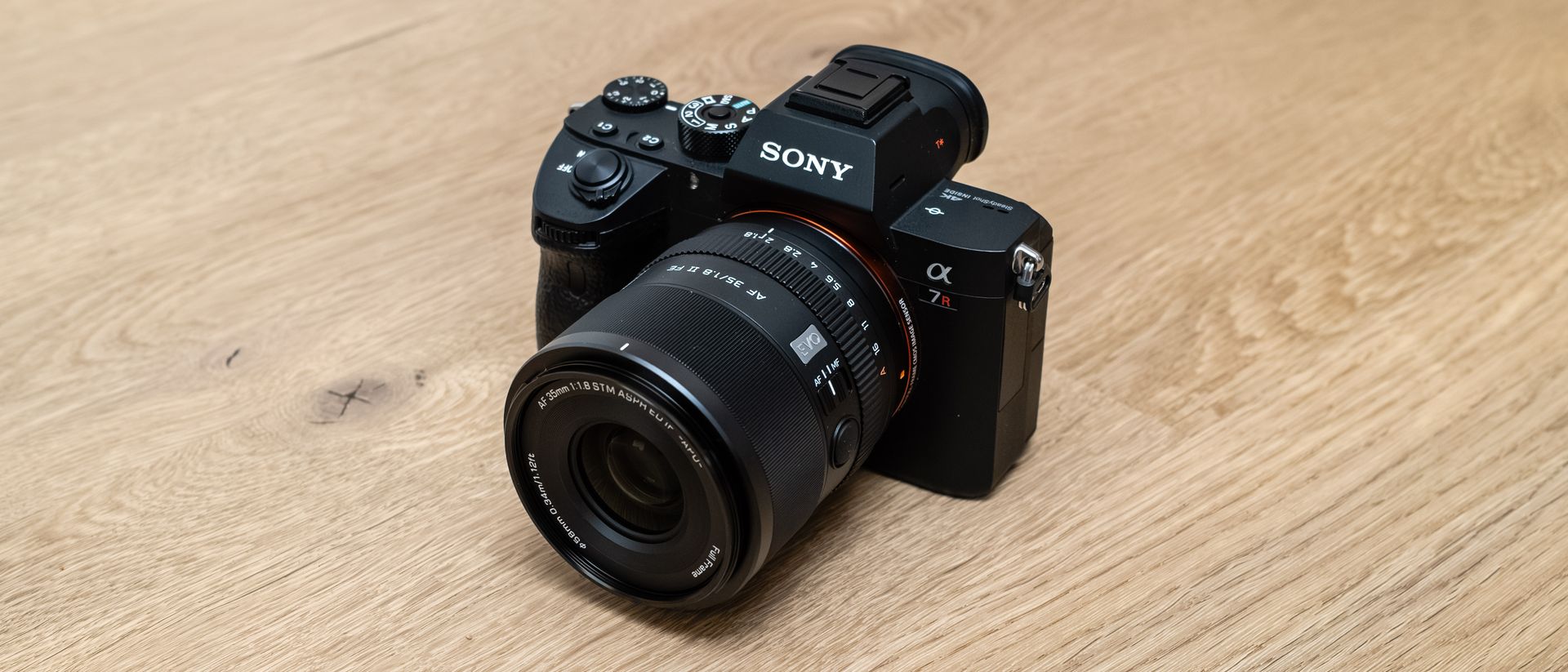
The Viltrox AF 35mm f/1.8 II EVO FE (APO) lens is a budget prime lens that may surprise many photographers with its excellent image quality. It's a compact and lightweight lens with a fast maximum aperture of f/1.8, making it an ideal choice for astrophotography. The lens is built for Sony FE and Nikon Z camera bodies and features 13 elements in 10 groups, along with an apochromatic (APO) design to minimize chromatic aberration.
Although not perfect, the 35mm f/1.8 produces sharp images, particularly in the centre of the frame, even when shooting at wide-open settings. However, some astigmatism may be noticeable at the edges of the frame, particularly when shooting wide open at f/1.8. The lens has a vignette at f/1.8, which diminishes at f/4 and becomes less noticeable as you stop down to f/8 to f/11, creating the sweet spot.
While it's unlikely you'd shoot beyond f/11, even for astrophotography, slightly stopping down to f/2.8 could yield greater clarity, albeit at a higher ISO setting. The lens is weather-sealed and compact, weighing only 12.52 oz / 355 g and measuring 3.33 x 4.37 in / 69 x 76 mm. Its metal build and manual aperture ring give it a premium look and feel, making it a great option for both still and video photography.
Written by urgent.news from Space.com's reporting — not their text. Machine-written — may contain errors; check the original before relying on it.