The tragic death of Javits Frimpong: Let us confront bullying without turning it into a black-on-black racial divide
The tragic death of 15-year-old Javits Frimpong, a Ghanaian teenager who was fatally shot while walking to school in the Bronx, New York, is a painful reminder of how vulnerable our children can be and how urgently we need to confront bullying, youth violence and the safety of students in our schools and communities. Javits […]
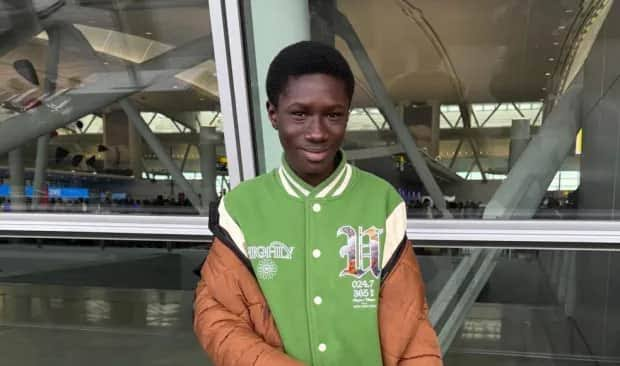
The tragic death of Javits Frimpong, a 15-year-old Ghanaian teenager, serves as a somber reminder of the pressing need to address bullying, youth violence, and student safety in our schools and communities. Javits, who relocated from Ghana to the United States to be reunited with his father, had experienced bullying at school, and his father had expressed concerns to school authorities.
Reports indicate that two students were suspended following incidents involving Javits. While the police have not established a direct link between the school incidents and Javits' fatal shooting, his father suspects that the bullying may have played a role. We must demand a thorough investigation, accountability for those responsible, and appropriate support for the bereaved family. No parent should have to bury their 15-year-old child under such circumstances.
However, this tragedy also presents an important opportunity for African immigrant communities in America to engage in a thoughtful and mature conversation about how we frame discussions around bullying in American public schools, particularly when it involves African immigrant children and African-American children. While it is understandable for parents and community members to feel anxious and frustrated when their children experience bullying, discrimination, or hostility, we must be cautious not to frame every such incident as a conflict between Black Americans and Black Africans.
Doing so risks creating unnecessary racial divisions and deepening tensions between two communities that share more commonalities than differences.
Bullying is not an exclusively African-American problem, nor does it manifest exclusively between African-American and African immigrant children. It is a broader social and educational issue that affects children from various racial, ethnic, and cultural backgrounds. There are numerous examples of Black children being bullied in predominantly White schools, as well as instances of immigrant children being bullied by other immigrant peers. The underlying issue, therefore, is bullying itself, not race.
We should avoid allowing Javits' death to become an indictment of an entire racial or ethnic community. Instead, the focus should be on establishing the identities, motives, and potential connections of those responsible for his death through a proper investigation. By doing so, we can address the real problem: the safety of our children and the culture of bullying and violence that must be eradicated.
Teaching is a challenging profession, especially in American high schools, where teachers must navigate diverse student personalities, backgrounds, and educational systems. Teachers from African, Caribbean, and Hispanic backgrounds often face intimidation, disrespect, ridicule, and other forms of hostility from students who exploit cultural differences, accents, or unfamiliarity with the American school environment.
I speak from personal experience as a high school teacher in New York who taught Algebra 2, Trigonometry, and Pre-Calculus. These subjects are notoriously difficult to teach due to students' inherent fear of mathematics and reluctance to engage. During my tenure, I encountered situations where some students attempted to bully and intimidate me.
While teaching in the United States has been one of the most rewarding experiences of my life, it also taught me valuable lessons about understanding school culture, managing classroom dynamics, and the importance of parental involvement in a child's education. It is crucial to recognize that bullying is not always a one-sided confrontation between racial groups.
Students can bully other students, and sometimes students can bully teachers. By addressing bullying as a multifaceted issue and not attributing it solely to race, we can ensure that our efforts to protect our children are comprehensive and effective.
Written by urgent.news from MyJoyOnline Ghana's reporting — not their text. Machine-written — may contain errors; check the original before relying on it.