Poor nutrition puts Malaysian children's long-term health at risk
KUALA LUMPUR: Many children in Malaysia are facing “hidden hunger”, a form of malnutrition in which they may not appear underweight or stunted, or show signs of inadequate food intake, but are still lacking essential nutrients.
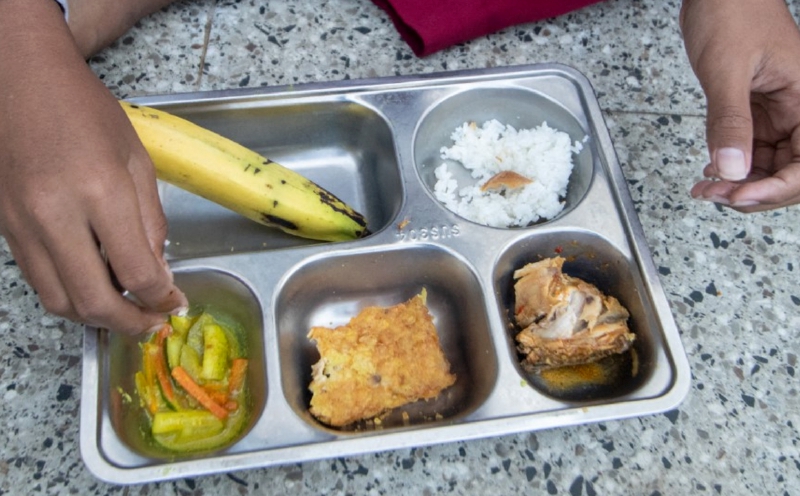
Many Malaysian children are facing hidden hunger, a type of malnutrition where they may appear healthy but are still lacking essential nutrients. This occurs when children consume enough food but their diet lacks the necessary nutrients for growth, brain development, immunity, and long-term health. Experts warn that if unaddressed, this could have lasting effects on children's physical and cognitive development, as well as their health later in life.
The problem is complex as malnutrition can coexist with overweight and obesity, creating a more challenging public health issue. The second South-East Asian Nutrition Surveys (SEANUTS II) Malaysia found that 94.8% of children had inadequate vitamin D intake, 79.4% failed to meet the recommended calcium intake, and 40.3% of children below four years old were anaemic.
The survey also showed that 8.9% of children experienced stunting, 6.7% had wasting, 9.2% were overweight, and 8.8% were obese. Professor Dr Poh Bee Koon, SEANUTS II principal investigator, emphasized that weight and body size alone are no longer enough to determine a child's nutritional status. She stressed the importance of focusing on diet quality and adequate micronutrient intake.
The issue persists into adolescence, with 30.5% of Malaysian adolescents aged 13-17 being overweight or obese, 8.3% underweight, and 6.8% stunted. Moreover, 83.9% of adolescents did not consume enough fruits and vegetables, and 32.4% drank carbonated beverages daily. Skipping breakfast, which occurs in 36% of primary schoolchildren, can lead to lower energy and nutrient intake, including cereals, vegetables, milk, and dairy products.
Thus, children's nutrition is not just about the quantity of food consumed but also its quality and regular meal patterns.
Written by urgent.news from New Straits Times's reporting — not their text. Machine-written — may contain errors; check the original before relying on it.