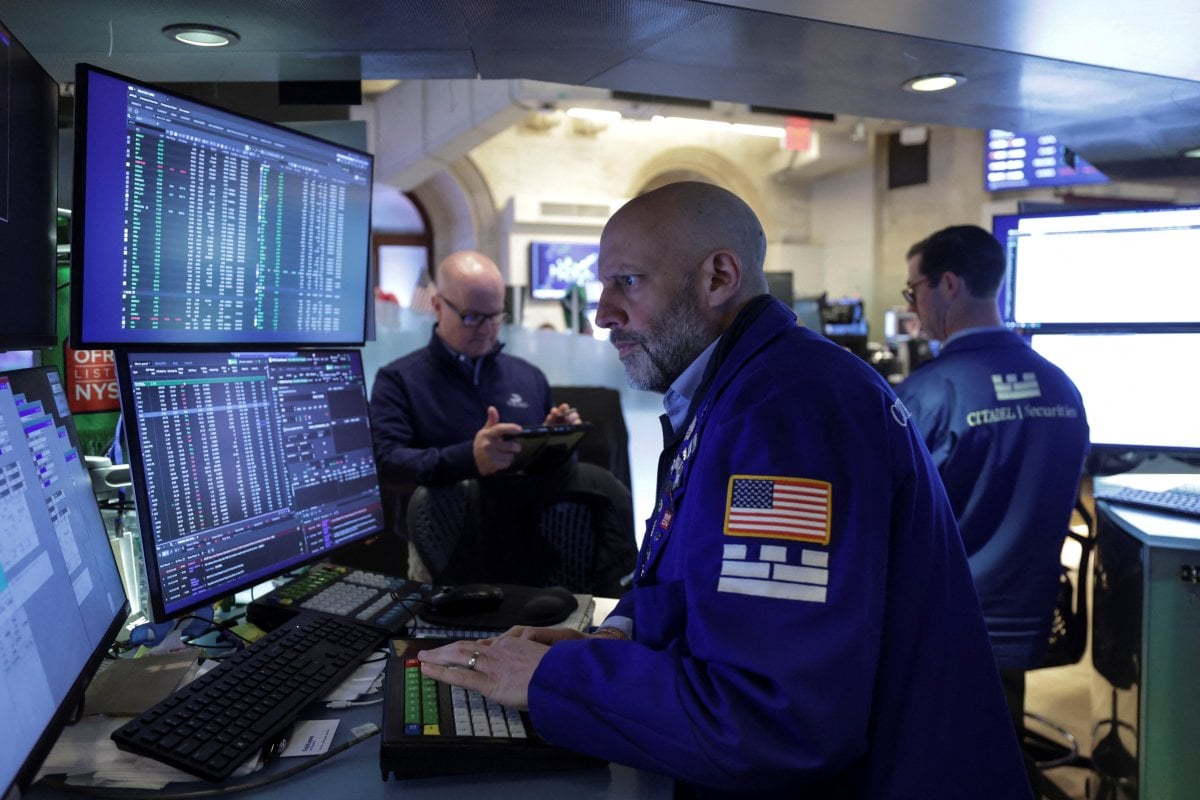
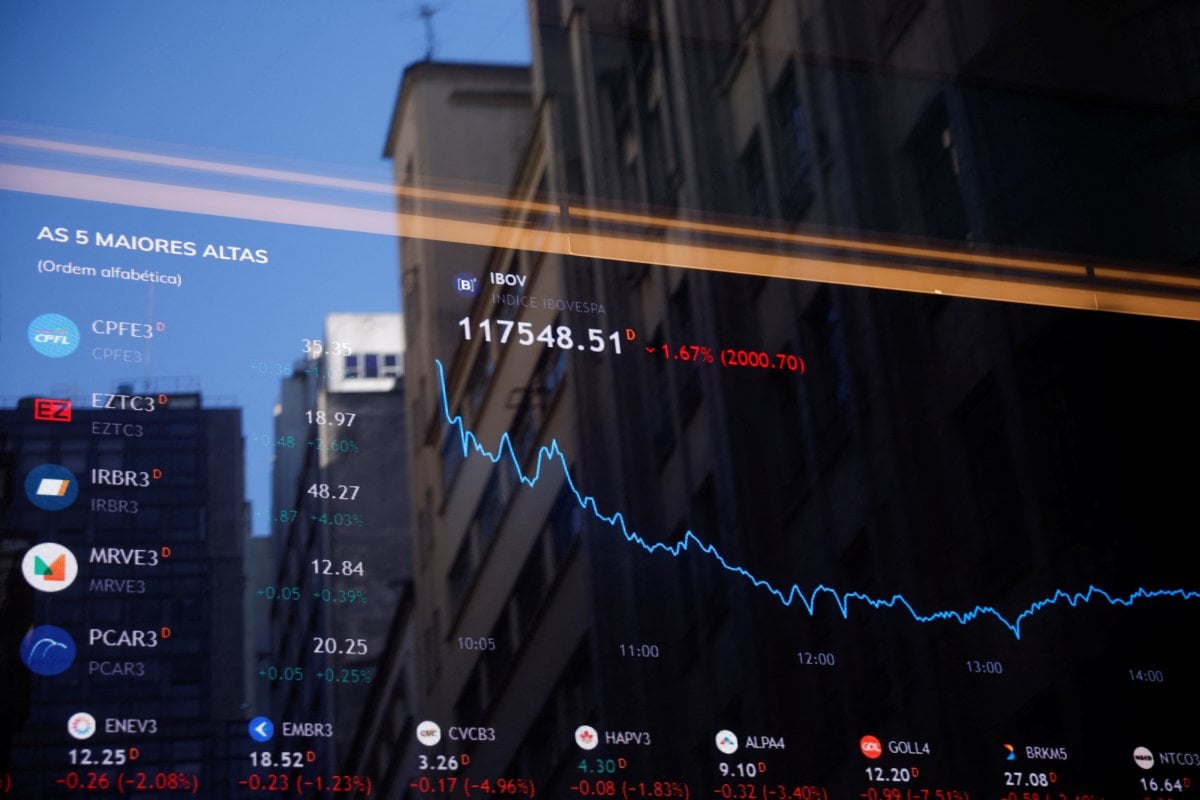
Nikkei, Yen, Hang Seng: Asiens Börsen stabilisieren sich – Ölpreise geben nach
Nach den jüngsten Verlusten greifen Anleger in Asien wieder zu. Starke Unternehmenszahlen und Hoffnungen auf staatliche Stützungsmaßnahmen in China sorgen für Auftrieb.
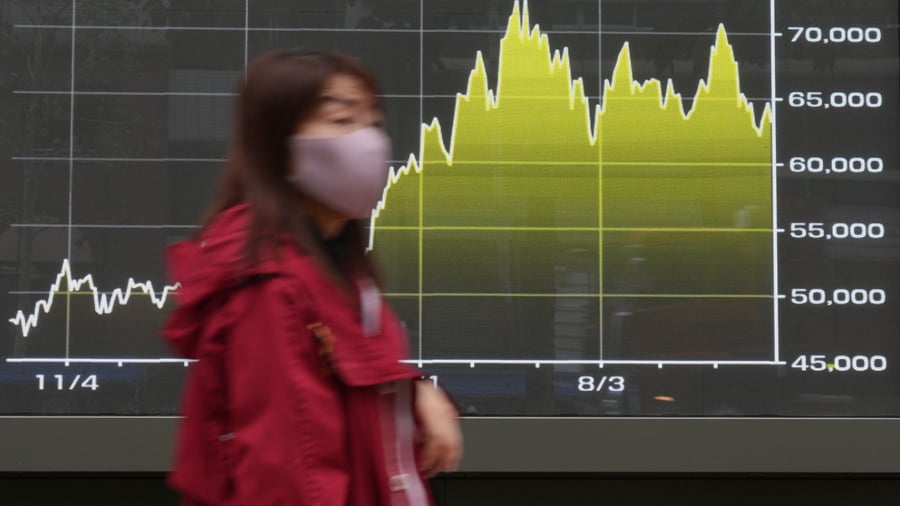
As Asian stock markets showed signs of stabilization after recent losses at the start of the week, the Nikkei 225 index in Tokyo rose by 0.4% to 63,559 points on Monday. The broader Topix index fell by 0.4% to 3,948 points. Chinese investors also regained confidence, with the Shanghai Composite index up by 1.2% to 3,640 points. The ICSI-300 index, representing the 300 largest Chinese companies on mainland exchanges, increased by 1.3% to 4,035 points.
In Japan, strong corporate balance sheets supported the market, while political plans for significant defense spending captured attention. The government in Tokyo reportedly contemplated increasing defense spending over the next five years to up to 80 trillion yen, nearly doubling current levels. Tokyo Electron saw a 5.1% gain after issuing an optimistic profit forecast, while Panasonic rose 5.2% following an increased earnings prediction.
However, Kioxia, a memory chip manufacturer, declined by 13.3% following a disappointing outlook. In China, speculation about state support measures drove stock prices higher. Media reports indicated that regulators consulted with financial institutions about new capital market instruments following a sharp fall in the market index in October.
The People's Bank of China effectively reduced financing costs by switching its benchmark interest rate to a daily deposit rate of 1.25%, which increased net interest margins for financial institutions by about five basis points, according to Zhaopeng Xing, a China strategist at ANZ.
Written by urgent.news from Handelsblatt's reporting — not their text. Machine-written — may contain errors; check the original before relying on it.